UDSM Senate approves 494 curricula, exceeding target
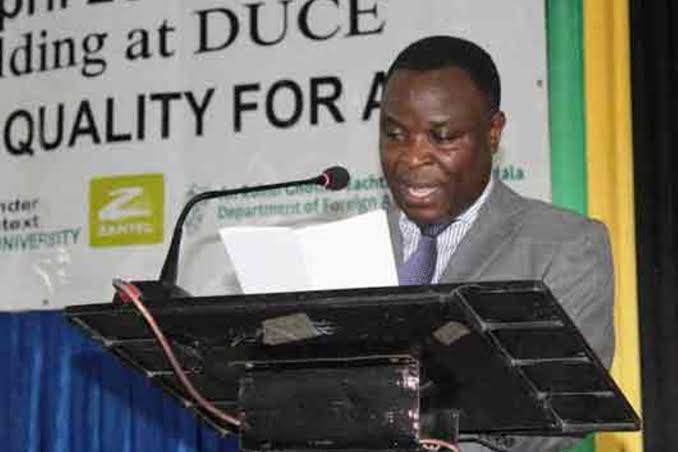
DAR ES SALAAM: THE University of Dar es Salaam (UDSM) Senate has approved 494 academic curricula as of June 2026, significantly exceeding its initial target of 60, ViceChancellor Professor William Anangisye has said.
Speaking on Tuesday during the university’s 56th graduation ceremony, Prof Anangisye said 170 of the approved curricula had received approval from the Tanzania Commission for Universities (TCU), while 47 programmes began admitting students in the 2025/2026 academic year.
He said the curriculum development initiative aimed to improve the quality and relevance of university education by equipping graduates with knowledge and practical skills responsive to labour market demands.
“To support the implementation of these curricula, the university has entered into a three-year partnership with PwC Tanzania to promote academic and professional development, practical training and collaborative research,” he said.
ALSO READ: Govt integrates financial education into higher learning curricula
Prof Anangisye added that 2,774 graduates had qualified for various degrees, diplomas and certificates, with women accounting for 53.4 per cent of the total.
Meanwhile, UDSM Council Chairperson Ambassador Mwanaidi Maajar said the council continued to oversee major development projects aimed at strengthening the university’s capacity in teaching, research and innovation.
She said the Higher Education for Economic Transformation (HEET) project was supporting improvements in teaching and learning facilities, research infrastructure and service delivery, including the development of new campuses in Kagera and Lindi.
The project also includes investments in digital systems and modern campus facilities to improve institutional efficiency and the quality of academic services.
Amb Maajar said the success of HEET should be measured by how effectively its investments improve teaching, learning, research, technology use and services to society.
“Our focus is on the effective use of resources, quality implementation, sustainable maintenance and outcomes that benefit students, staff and the nation as a whole,” she said.
She added that accountability and sustainability were essential to ensuring development investments delivered lasting benefits.
The curriculum reforms and infrastructure investments form part of broader efforts to strengthen higher education, improve graduate competencies and expand research capacity in support of Tanzania’s social and economic development.