TZ steps up investment in climate-resilient cities as urban pressures mount
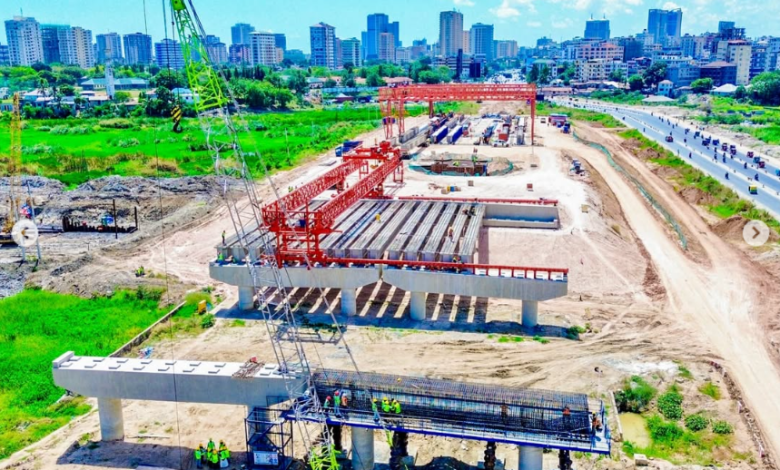
DAR ES SALAAM: TANZANIA’S rapidly expanding cities are facing mounting infrastructure challenges as population growth, urbanisation and changing weather patterns put increasing pressure on roads, drainage systems, water supplies and public services.
Dar es Salaam, the country’s commercial centre, illustrates the scale of the challenge. Recurrent flooding, inadequate stormwater drainage, unplanned settlements and pressure on water and sanitation infrastructure have exposed weaknesses in managing rapid urban growth.
The challenge extends beyond Dar es Salaam to cities such as Dodoma, Mwanza, Arusha, Mbeya and Morogoro, where increasing populations are driving demand for resilient infrastructure and reliable public services.
Climate-resilient urban development is therefore becoming a key national priority, with implications for economic competitiveness, public health, investment and the quality of life of millions of people.
Tanzania’s Dira 2050 recognises this connection, setting an ambition to develop sustainable, smart, green and liveable cities supported by reliable water, sanitation, energy and transport systems.
The vision also emphasises the need to manage urbanisation in ways that protect environmental resources, improve access to decent housing and strengthen cities’ ability to withstand climate-related shocks.
This represents an important shift in infrastructure planning. Beyond serving growing populations and economic activities, urban infrastructure must withstand floods and extreme weather while ensuring continuity of essential services.
The World Bank’s Tanzania Urban Resilience Programme identifies three major factors contributing to urban vulnerability: Inadequate climate-risk information, weaknesses in land-use planning and enforcement, and infrastructure deficits.
Its assessment highlights shortages of stormwater drainage, wastewater treatment and flood-management facilities, alongside ineffective solid-waste management systems.
Addressing these challenges requires more than isolated construction projects. It calls for integrated investment in urban planning, environmental management, infrastructure and disaster preparedness.
Flood control becomes a development priority
Flooding remains one of the most visible climate-related threats facing Dar es Salaam. The city’s low-lying terrain, river systems, proximity to the Indian Ocean and expansion into vulnerable areas have increased exposure to flooding.
Heavy rainfall frequently overwhelms drainage channels, disrupting transport, damaging property and exposing residents to waterborne diseases.
The lower Msimbazi River basin is among the areas attracting particular attention because of recurrent flooding and the concentration of people and economic activities in surrounding neighbourhoods.
The World Bank has previously noted that Dar es Salaam’s rapid population growth has outpaced formal planning and infrastructure provision.
Its 2022 assessment estimated that about 70 per cent of development in the city was informal, often without corresponding extensions of basic services.
In response, the Government, working with development partners, has invested in urban roads, drainage and flood-management infrastructure.
The first phase of the Dar es Salaam Metropolitan Development Project (DMDP), implemented between 2015 and 2023, benefited more than four million people through improvements in urban infrastructure and services.
According to the World Bank, the project supported construction of 207 kilometres of roads equipped with street lighting, sidewalks and roadside drainage.
It also delivered 75 kilometres of trunk and secondary drains across five river basins, alongside the city’s first stormwater detention basins.
The drainage interventions helped protect 406 hectares of land, including lowincome neighbourhoods, against one-in10-year flood events.
The project also improved community facilities in 14 low-income areas, including health facilities, markets, water kiosks and recreational spaces.
Building on these achievements, the World Bank approved 385 million US dollars in December 2023 for the second phase of DMDP, focusing on climate-smart infrastructure, integrated solid-waste management and stronger urban institutions.
The programme includes resilient transport infrastructure, green drainage systems, public spaces, riparian and coastal landscapes and area-based urban development.
Another major intervention, the Msimbazi Basin Development Project, seeks to address chronic flooding through infrastructure investment and improved riverbasin management.
These initiatives demonstrate the importance of preventive investment that reduces flood exposure, protects natural drainage systems and ensures that urban development does not create greater risks.
Protecting rivers and natural drainage systems
Drainage infrastructure alone cannot provide lasting solutions if rivers, wetlands and natural water channels continue to be obstructed or degraded.
Urban development frequently puts pressure on these natural systems through construction, waste disposal, land reclamation and settlement expansion into floodplains.
The Tanzania Urban Resilience Programme has therefore supported river-basin protection, land-use planning, community mapping and flood-risk assessment.
One initiative, Ramani Huria, uses community-based mapping to identify flood-prone areas and generate information for urban planning and disaster management.
The programme has also supported hydrological data collection and flood modelling to improve understanding of risks facing urban settlements.
Such information helps authorities determine where drainage infrastructure is required, which areas need protection from development and where communities face the greatest exposure.
Dira 2050 similarly emphasises protecting wetlands and water resources, improving land management and strengthening environmental conservation.
Development control is particularly important around rivers and wetlands. Construction that blocks natural water channels or takes place in flood-prone areas can transfer the costs to surrounding communities through flooding, damaged infrastructure and emergency interventions.
ALSO READ: Experts: Population growth key for strong economy
Protecting natural drainage systems must therefore be treated as an essential component of urban infrastructure investment.
Water security and wastewater management
The resilience of cities also depends on reliable water supplies and effective wastewater management. Population growth and expanding economic activities are increasing demand for water in Dar es Salaam and other urban centres, while water sources face pressure from pollution, changing rainfall patterns and competing users.
Dar es Salaam’s dependence on the Ruvu River system highlights the importance of protecting water sources and strengthening supply infrastructure.
The Government is pursuing several interventions to improve water supply in Dar es Salaam and the neighbouring Coast Region, including improvements to the Ruvu water treatment plants, the Kidunda Dam project and expansion of groundwater sources.
In December 2025, the Ministry of Water identified the Kidunda Dam, increased production at the Lower Ruvu plant and the second phase of the KimbijiKigamboni borehole project among measures intended to address water shortages.
The Government has also announced investment in new pumps for the Upper and Lower Ruvu plants to improve production and distribution capacity.
However, water security cannot be separated from wastewater management. Untreated wastewater can contaminate rivers, groundwater and coastal ecosystems, increasing public health risks and undermining the quality of water sources.
The Ministry of Water’s 2024 sector status report recorded progress in several sanitation projects in Dar es Salaam, including completion of the Mbezi Beach sewerage network and pumping stations.
It also reported ongoing work on decentralised wastewater treatment systems and other sewerage infrastructure.
The report indicated that the national sewer network had increased from approximately 652 kilometres in 2010 to 1,478 kilometres in 2024. However, sewered sanitation coverage in regional headquarters averaged only 13 per cent in 2024.
These figures demonstrate progress but also highlight the substantial investment needed to expand safe wastewater collection and treatment.
For urban authorities, the priority is to ensure that water supply expansion is matched by adequate sanitation infrastructure, environmental protection and reliable operation and maintenance.
Waste management is part of flood prevention
Solid-waste management is another critical link between environmental protection and urban resilience. Poorly managed waste blocks drainage channels, increases flood risks, contaminates water sources and creates conditions for disease outbreaks.
As cities expand, the volume of waste generated by households, businesses and industries also increases, placing greater demands on collection, transportation, recycling and disposal systems.
The second phase of DMDP includes integrated solid-waste management infrastructure and services, reflecting the importance of addressing waste as part of broader urban development.
However, the challenge goes beyond collecting more waste. Cities must improve sorting, recycling, recovery and environmentally sound disposal.
Greater private-sector participation could expand collection services and create opportunities for recycling businesses and investment in waste-processing facilities.
The Tanzania Urban Resilience Programme has also supported initiatives such as Twa Mtaro, or Adopt a Drain, which uses information and communication technology to improve transparency around solid-waste blockages affecting drainage systems.
Such approaches demonstrate how community participation and digital tools can complement physical infrastructure.
Effective waste management can ultimately reduce flooding, improve public health and create economic opportunities through recycling and resource recovery.
Urban planning must keep pace with growth
Infrastructure investment will have limited long-term impact if urban development continues without adequate planning and enforcement.
Unplanned settlements, construction in flood-prone areas and the loss of wetlands increase the cost of providing services while exposing communities to climate hazards.
The World Bank’s Tanzania Urban Resilience Programme identifies outdated urban plans, weak enforcement and limited institutional capacity as factors contributing to vulnerability in Tanzanian cities.
Dira 2050 provides a broader framework by aspiring to create liveable, sustainable, energy-efficient and environmentally responsible urban settlements.
Its priorities include affordable and decent housing, balanced urban-rural development, safe water and sanitation, efficient transport and sustainable energy.
Achieving these objectives requires coordination among urban planning authorities, local governments, utility providers and infrastructure agencies.
Affordable and climate-resilient housing is particularly important in reducing exposure to floods, improving sanitation and ensuring better access to essential services.
Building regulations must also be enforced to ensure that housing, infrastructure and public facilities are designed to withstand environmental risks.
Protecting wetlands, river basins and open spaces should form part of this process because of their role in absorbing stormwater, regulating urban temperatures and supporting biodiversity.
Transport infrastructure must withstand climate shocks
Transport networks are essential to urban economic activity but remain vulnerable to climate-related disruptions. Flooded roads, damaged bridges and blocked drainage can interrupt public transport, delay goods movement and restrict access to schools, hospitals and workplaces.
Tanzania has invested in urban transport improvements, including the Dar es Salaam Bus Rapid Transit (BRT) system, which has helped improve mobility along key corridors.
The World Bank reported that the first BRT phase reduced travel time along almost 16 kilometres of the Kimara-Kivukoni corridor from more than two hours to less than one hour. However, transport resilience requires more than expanding road capacity.
Roads, bridges, culverts and drainage systems must be designed and maintained to withstand heavy rainfall and other climate-related pressures.
In October 2026, the Tanzania National Roads Agency (TANROADS) issued guidance to regional managers on preparing for El Niño and other adverse weather events.
The guidance calls for mapping highrisk locations, inspecting vulnerable bridges and culverts, clearing drainage channels before heavy rains and positioning emergency equipment and contractors for rapid response.
It also requires regional authorities to conduct emergency simulation exercises and close unsafe roads or bridges until engineers confirm they are safe.
This approach emphasises preparedness rather than relying exclusively on repairs after infrastructure has been damaged.
As Tanzania expands its road, railway and public transport networks, climate-risk assessments should become an integral part of project design, construction and maintenance.
Financing the transition to resilient cities
The scale of urban infrastructure challenges makes financing one of the most important issues facing Tanzania. The 385 million US dollars approved for the second phase of DMDP represents a significant commitment to climate-resilient infrastructure and urban services in Dar es Salaam.
In June 2025, the World Bank also announced 300 million US dollars in financing to strengthen disaster preparedness and response capabilities in Tanzania, with an estimated 1.9 million people expected to benefit.
The financing includes 100 million US dollars in development policy support and 200 million US dollars through a Catastrophe Deferred Drawdown Option, which provides access to resources following qualifying emergencies.
The programme supports stronger disaster-response institutions, flood earlywarning systems in key basins and the integration of climate-risk considerations into urban planning and infrastructure management.
These arrangements demonstrate the importance of combining infrastructure investment with institutional and financial preparedness.
However, the available figures do not establish the total investment required to make all Tanzanian cities climate-resilient.
Financing approved for individual programmes should therefore not be interpreted as the full national requirement. The government will need to continue mobilising domestic resources, international development financing and privatesector investment.
Dira 2050 identifies innovative and diversified financing, a stronger private sector and an improved investment climate as important foundations for economic transformation.
Private investors could contribute to water supply, wastewater treatment, solidwaste processing, public transport and other services where viable financing and revenue arrangements can be established.
Development partners can provide technical expertise, concessional financing and institutional support, while public authorities must ensure transparent procurement, clear regulations and reliable planning frameworks.
Technology and communities are central to resilience
Urban resilience also depends on reliable information and the ability of institutions and residents to act before disasters occur.
Flood-risk mapping, weather forecasting, early-warning systems and digital monitoring can help authorities identify vulnerable areas and prepare appropriate responses.
Tanzania’s Urban Resilience Programme has supported community mapping, flood modelling and initiatives to strengthen emergency preparedness.
The World Bank’s 2025 disaster-risk financing programme also supports the establishment of flood early-warning systems in key flood-prone basins.
Community participation is particularly important in informal settlements, where residents may face greater exposure to flooding and have limited access to drainage, sanitation and emergency services.
The Zuia Mafuriko initiative, for example, has supported the establishment and training of emergency flood-response teams in 10 of Dar es Salaam’s most floodprone wards. Such initiatives demonstrate that residents are not merely beneficiaries of urban resilience programmes.
They can also identify risks, help maintain local infrastructure and coordinate emergency responses. Protecting vulnerable communities therefore requires combining physical infrastructure improvements with better access to information, basic services, safer housing and disaster preparedness.
Dira 2050 sets the long-term direction The urban infrastructure agenda is closely aligned with Dira 2050, which envisages sustainable, smart and green cities capable of supporting economic growth and improved living standards.
The vision recognises that population growth, migration and expanding economic activities will continue increasing demand for housing, water, sanitation, transport and public services.
It also identifies energy, science and technology, research and development, digital transformation and integrated logistics as important drivers of national development.
By 2050, the ambition is to create urban centres that are more liveable, better connected, environmentally responsible and capable of supporting productive economic activities. Achieving this objective will depend on implementation rather than policy declarations alone.
The Government will need to ensure that projects are completed, infrastructure is maintained, natural ecosystems are protected and urban authorities have the capacity to enforce planning regulations.
For residents, success will be measured through fewer flood disruptions, reliable water supplies, better sanitation and waste collection, safer roads and wider access to public transport.
However, the national and project documents reviewed do not provide a single consolidated set of quantified urban resilience targets for 2030.
Establishing measurable indicators and publishing regular progress reports will therefore be important in tracking implementation and strengthening accountability.
Tanzania has demonstrated that targeted investment in drainage, roads, public services and disaster preparedness can improve urban conditions.
The next phase will require a more integrated approach that connects infrastructure development with environmental management, technology, financing and community participation. Ultimately, building climate-resilient cities is not simply about protecting infrastructure against extreme weather.
It is about ensuring that urban centres remain productive, safe and liveable while supporting Tanzania’s long-term economic transformation under Dira 2050.