TZ invests in health workforce to tackle rising diabetes, hypertension

DAR ES SALAAM: TANZANIA is stepping up efforts to prepare its health workforce to tackle rising cases of diabetes, hypertension and other chronic diseases through a three-year programme targeting 25,500 health students and 1,600 practising health professionals.
The initiative, implemented by Amref Health Africa Tanzania in partnership with the Novo Nordisk Foundation, will support 113 health training institutions and establish two Centres of Excellence to strengthen the teaching and clinical skills needed to prevent, detect and manage cardiometabolic diseases.
The programme follows a scoping exercise conducted by Amref Tanzania, which identified gaps in how nurses and clinical officers are trained to address cardiometabolic diseases.
The assessment found that subjects such as diabetes, hypertension and cardiovascular disease were often taught in separate parts of training curricula, with limited opportunities for practical learning. It also highlighted gaps in specialised teaching capacity, clinical mentorship and the use of digital learning tools.
These gaps matter because nurses and clinical officers play a central role in delivering primary healthcare, particularly in dispensaries, health centres, and district-level facilities where many patients first seek medical attention.
Cardiometabolic diseases include cardiovascular conditions, diabetes, kidney disease, obesity and other metabolic disorders. They can lead to serious complications, disability and premature death if not detected and managed early.
Hypertension affects more than 25 per cent of Tanzanian adults, while diabetes prevalence is estimated at between three and five per cent, according to figures cited in the programme’s background information.
The growing burden of these conditions adds pressure to a health system that must also continue responding to infectious diseases and other public health challenges.
ALSO READ: The experience of living with diabetes, hypertension: A journey of resilience
By strengthening health professional education, the programme aims to equip students and practising healthcare workers with the skills to identify risk factors, recognise early warning signs, support prevention and provide appropriate care for people living with these conditions.
The initiative will be implemented in collaboration with the government, universities, health training institutions, regulatory bodies and other partners to ensure that improvements in education are aligned with national health priorities.
Denmark’s Ambassador to Tanzania, Jesper Kammersgaard, said the partnership demonstrated the importance of international collaboration in strengthening the country’s health sector.
“The partnership between Denmark, through the Novo Nordisk Foundation, and Amref Health Africa is a strong example of how shared commitment, expertise and collaboration can strengthen Tanzania’s health sector and improve healthcare for its people,” he said.
Professor Flemming Konradsen, Chief Scientific Officer at the Novo Nordisk Foundation, said investment in institutions responsible for educating health professionals was essential to reducing inequalities in healthcare.
“Reducing health inequity requires evidence-based investment in the institutions that educate the health workforce. Through this long-term institutional approach, the project will strengthen teaching, research, and clinical leadership capacity while equipping nurses, clinicians and other health professionals with the competencies needed to prevent and manage cardiometabolic diseases more effectively,” he said.
The programme will focus on four main areas: improving the quality and relevance of cardiometabolic disease education; strengthening the capacity of lecturers and clinical mentors; expanding digital and simulation-based learning; and building institutional capacity for education and implementation research.
The two Centres of Excellence will serve as hubs for research, mentorship and knowledge-sharing, supporting the wider adoption of improved teaching approaches across health professional training institutions.
The initiative will also support curriculum reviews, professional development for lecturers and clinical mentors, and expanded access to online and blended learning. Simulation-based training and digital tools are expected to provide students with more opportunities to develop practical skills and apply classroom knowledge to real healthcare situations.
The programme will also promote gender equality in professional development and leadership, recognising the contribution of women to Tanzania’s health workforce, particularly in nursing and allied health professions.
The government has continued to prioritise the prevention and control of non-communicable diseases through national strategies and efforts to strengthen primary healthcare. The programme is expected to complement these efforts by addressing gaps in the education and institutional capacity of the health workforce.
Dr Samwel Lazaro, Director of Preventive Services at the Ministry of Health, who represented the Chief Medical Officer of the United Republic of Tanzania, said collaboration between the Government, training institutions, regulatory bodies and implementing partners was essential to achieving sustainable improvements.
“Effective collaboration between Government, health training institutions, regulatory bodies and implementing partners is essential to achieving sustainable improvements. Our success should ultimately be reflected in the competencies of our graduates, the quality of clinical training and the healthcare delivered to our communities,” he said.
For Amref Tanzania, the initiative represents an investment in the institutions and professionals responsible for delivering healthcare across the country.
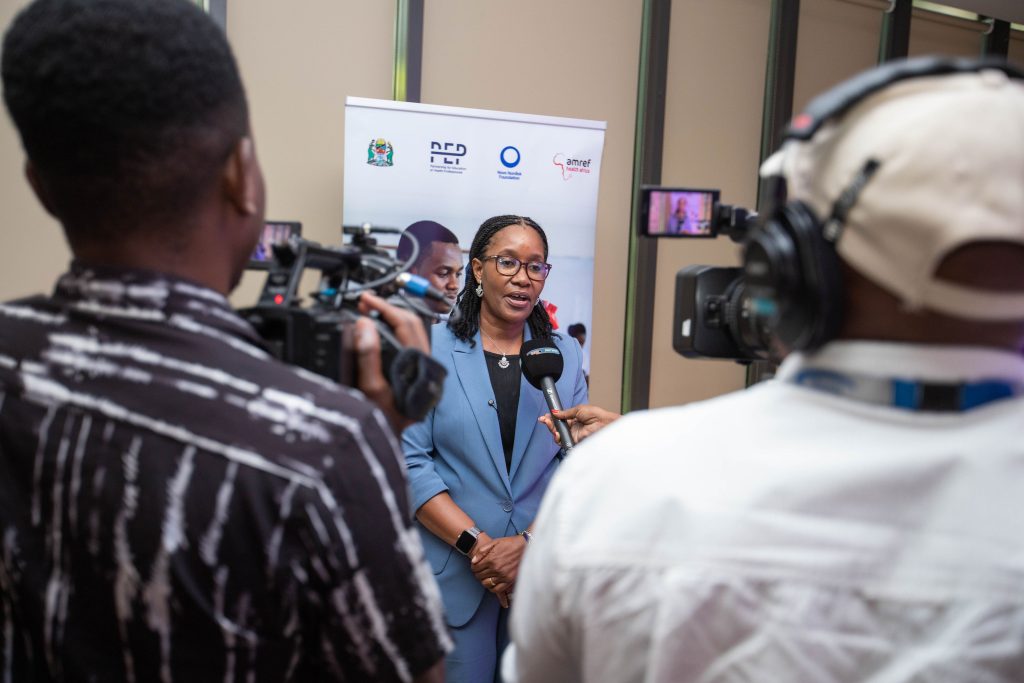
Country Director Dr Florence Temu expressed appreciation to the Government for its leadership and the Novo Nordisk Foundation for supporting the initiative.
“We sincerely appreciate the Government of Tanzania for its leadership and commitment to strengthening health professional education, and the Novo Nordisk Foundation for its vision and investment in this important initiative. Through this partnership, Amref is committed to strengthening institutions and building a skilled health workforce that will deliver lasting improvements in healthcare for all,” she said.
Over the three-year implementation period, the programme aims to strengthen the capacity of 113 institutions to deliver improved education on cardiometabolic disease prevention and care.