Major leap in health
- Maternal deaths fall to 76 per 100,000 live births, neonatal to 17 and under-five to 28 per 1,000
DAR ES SALAAM: TANZANIA has sharply reduced maternal and child mortality rates, bringing the country within striking distance of United Nations 2030 global health targets, new government data shows.
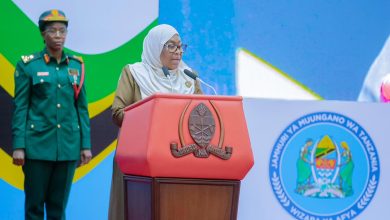
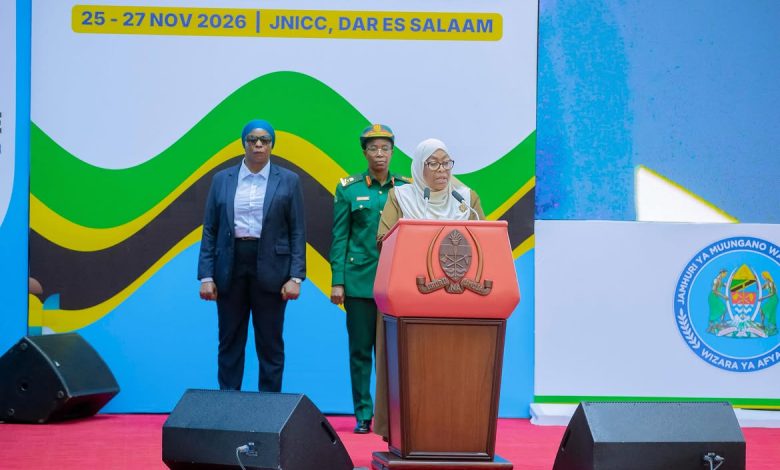
Launching the 2026 Report on Maternal and Under-Five Mortality at the Third National Scientific Conference on Reproductive, Maternal, Newborn, Child, Adolescent Health and Nutrition (RMNCAH+N), in Dar es Salaam yesterday, President Samia Suluhu Hassan said maternal deaths fell to 76 per 100,000 live births in 2024/25, down from 104 in 2023.
Neonatal mortality dropped from 24 to 17 deaths per 1,000 live births over the same period, while under-five mortality fell from 43 to 28 per 1,000 live births, according to the report.
The gains put Tanzania six points shy of UN Sustainable Development Goal (SDG) Target 3.1, which calls for fewer than 70 maternal deaths per 100,000 live births by 2030.
Under SDG Target 3.2, countries aim to cut neonatal mortality to no more than 12 and under-five deaths to 25 per 1,000 live births.
“As you may recall, in 2023, we received the Gates Foundation Goalkeepers Award in recognition of efforts to reduce maternal deaths from 556 to 104,” she said.
She added that the recognition provided further motivation for health workers to sustain their efforts.
“Our midwives, doctors and nurses worked hard, bringing maternal deaths down to 76. We are now only six points away from the SDG target of 70, and I am confident that by 2030 we will have performed even better,” Hassan said.
ALSO READ: Dr Samia insists on equity in delivery of health services, not individual’s social status
She attributed the declines to sustained investments in primary healthcare facilities and emergency referral networks—including expansion programmes initiated under her predecessor, the late President John Magufuli.
Over the past decade, Tanzania has expanded its network of health centres and dispensaries to 13,683, increased district hospitals from 117 to 194, and raised regional referral hospitals from 21 to 28, alongside 13 national, zonal and specialised hospitals.
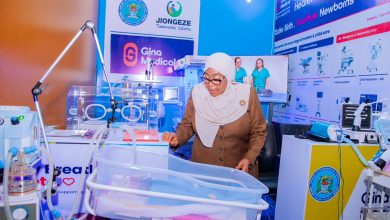
As a result, more than 85 per cent of Tanzanians now live within five kilometres of a health facility, Hassan said. Specialised newborn care units have grown from 14 in 2018 to 438 last year, with plans underway to build 26 additional facilities for premature infants.
Meanwhile, the M-Mama emergency transport system had ferried more than 250,000 patients—mostly mothers and newborns— by August this year.
She added that public-private partnerships are further expanding capacity, including the construction of 11 maternal and child hospitals by Amsons Group, while private clinics have widened access to modern obstetric and postnatal services.