TZ eyes dairy sector boost to meet demand

DODOMA: STAKEHOLDERS in Tanzania’s dairy industry have committed to transforming the sector by significantly boosting milk production to meet the country’s growing demand.
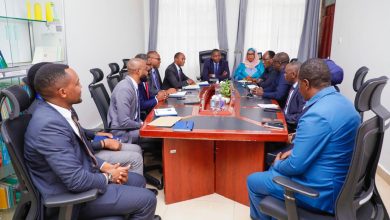
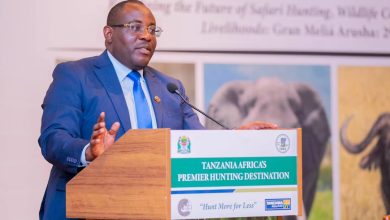
The ambitious goal to raise annual milk production from the current 4.1 billion litres to meet the national requirement of 13 billion litres was announced yesterday in Dodoma by Tanzania Dairy Board (TDB) Registrar, Professor George Msalya, during a consultative meeting of the Climate Smart Dairy Transformation Project (C-SDTP) advisory committee.
“This clearly shows that we are facing a milk shortage and it is imperative that we increase production,” Prof Msalya said, noting that despite the rising demand, supply remains far below target.
He attributed the low output to the predominance of indigenous cattle breeds, which yield minimal milk and stressed the need to transition toward high-yielding breeds.
The C-SDTP, a ten-year initiative valued at 462bn/- , aims to reshape the dairy landscape by promoting improved cattle genetics and introducing climate-smart dairy practices.
“Our aim is to shift from low-yielding traditional herds to improved breeds that produce more milk, ensuring we meet both domestic and export demands,” he said.
ALSO READ: Govt keen to boost dairy sector
Prof Msalya also noted challenges along the dairy value chain, particularly in milk collection, processing and marketing.
“Despite producing over 4 billion litres annually, we collect only about 90 million litres less than 10 per cent. The majority is traded informally in unregulated environments like roadside stalls and petrol stations, which pose public health risks,” he cautioned.
He said the project will address these gaps by distributing improved cattle breeds, training farmers in modern dairy techniques, increasing milk collection, enhancing value addition and ultimately raising incomes throughout the sector.
Public education on safe milk consumption is another key component of the initiative.
The C-SDTP is funded by a consortium of development partners, including the International Fund for Agricultural Development (IFAD), Green Climate Fund (GCF), OPEC Fund, the Government of Tanzania, the French Development Agency (AFD), Tanzania Agricultural Development Bank (TADB) and Heifer International Tanzania.
On his part, the C-SDTP Project Coordinator Dr Kapella Lazaro confirmed that implementation will span 13 regions, eight on the Mainland and five in Zanzibar.
“These include strategic milk corridors in the Southern Highlands (Mbeya, Iringa, Njombe), Eastern Zone (Morogoro), Coast, and the Northern zone (Arusha, Kilimanjaro and Tanga),” he said.
He added that the project, which officially commenced in January with preparatory activities, will roll out full implementation starting July 2025 under the Ministry of Livestock and Fisheries.
Key interventions include the introduction of modern breeding technologies, such as artificial insemination using high-quality dairy genetics, as well as the deployment of extension officers to guide farmers on best practices.
The project also plans to establish new milk production hubs and rehabilitate existing ones to stimulate value chain development and ensure food safety. It will connect producers to processors and improve market access.
“In addition, the project will address feed production by introducing modern, climate-resilient forage seed varieties to boost animal nutrition and milk yields,” he said.
With these efforts, stakeholders believe the dairy sector is well positioned to become a key contributor to economic development and improved household nutrition across the country.
According to available data, Tanzania’s annual per capita milk consumption stands at just 67.5 litres, far below the global health recommendation of 200 litres.
In addition to milk, Tanzanians also fall short in the consumption of other livestock products.