Turning liberation trust into economic prosperity
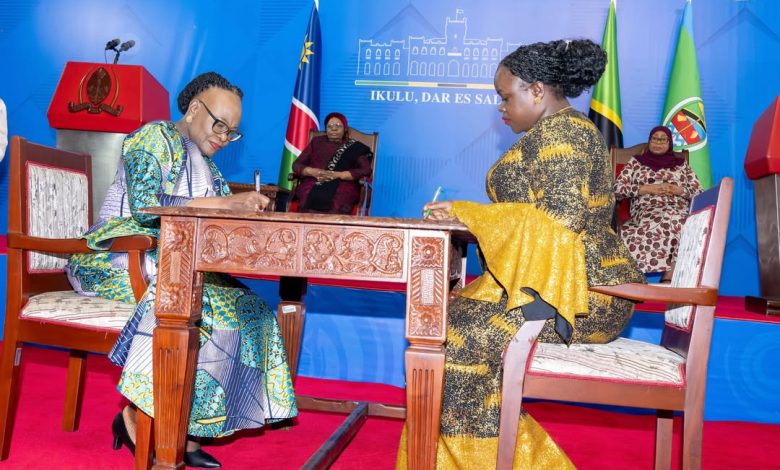
DAR ES SALAAM: THE decision by Tanzania and Namibia to elevate their long-standing historical ties into a stronger economic partnership deserves commendation. Following bilateral talks in Dar es Salaam, Presidents Samia Suluhu Hassan and Netumbo Nandi-Ndaitwah pledged to deepen cooperation in trade, investment and strategic sectors of their economies, signalling a determination to convert decades of political solidarity into tangible economic benefits for their people.
The signing of four Memoranda of Understanding covering trade cooperation, defence, the promotion of micro, small and medium enterprises (MSMEs) and collaboration between Zanzibar Municipal Council and the Municipality of Swakopmund reflects a shared commitment to move beyond diplomatic goodwill and towards practical cooperation.
The initiative is timely. As President Samia rightly observed, economic cooperation between Tanzania and Namibia remains below its potential despite the deep historical bonds forged during Namibia’s liberation struggle.
As the two leaders rightly noted, the challenge facing both countries today is to transform that trust into increased trade, investment, industrial growth and employment opportunities. Strong political relations should be matched by equally strong economic relations.
The significance of this new direction extends beyond Tanzania and Namibia. Across Africa, many countries share bonds forged during the struggles against colonialism, apartheid and foreign domination. These historical relationships should no longer be viewed solely as symbols of past solidarity. They should be leveraged as platforms for expanding intraAfrican trade, cross-border investment and industrial cooperation.
The African Continental Free Trade Area (AfCFTA) offers a unique opportunity to turn political goodwill into economic progress. By reducing trade barriers and opening larger markets, the agreement provides African countries with a framework to strengthen commercial links, develop regional value chains and create jobs for a rapidly growing population.
However, the success of such ambitions will depend on more than signed agreements. Governments must create a more conducive environment for trade and investment to flourish. Persistent structural barriers including inadequate transport links, cumbersome customs procedures, regulatory bottlenecks, limited access to finance and high transaction costs continue to constrain economic integration across the continent.
The private sector must also seize the opportunities created by these frameworks. Businesses, investors and entrepreneurs will ultimately determine whether political commitments are translated into factories, jobs, innovation and economic growth.
ALSO READ: ‘Time to liberate our economies’
The Tanzania-Namibia partnership demonstrates how historical solidarity can serve as a foundation for a new era of economic cooperation. It is an example that other African countries would do well to emulate. The liberation generation fought for political freedom. The present generation must build on that legacy by advancing economic integration, industrialisation and shared prosperity.
Africa’s future will be shaped not only by the friendships forged in its struggles for independence, but by how effectively those friendships are transformed into engines of trade, investment and development.