TMA issues strong wind warning in five regions
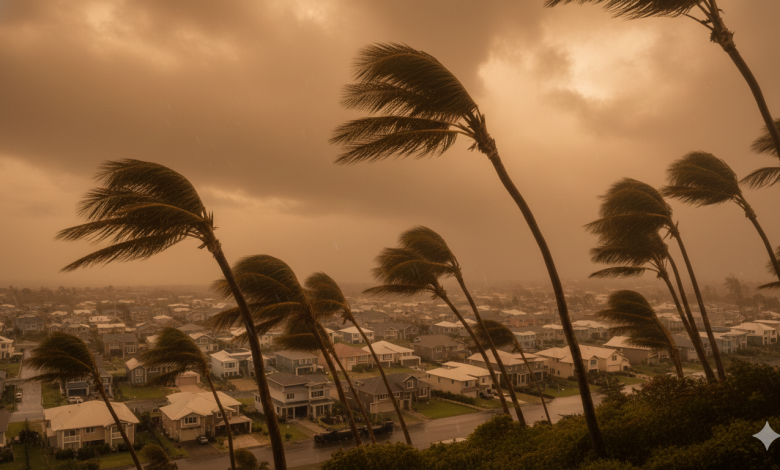
DODOMA: THE Tanzania Meteorological Authority (TMA) has issued a warning over strong winds expected to reach speeds of up to 40 kilometres per hour in several coastal regions beginning yesterday.
According to a TMA’s statement, the weather conditions are expected to affect the regions of Dar es Salaam, Coast, Tanga, Lindi and Mtwara, as well as the islands of Unguja and Pemba, for a period of five days.
TMA said the strong winds are expected in parts of the northern coastal belt of the Indian Ocean, with the likelihood of impacts described as moderate.
“The affected areas include Tanga, Dar es Salaam, Coast Region including Mafia Islands, as well as the islands of Unguja and Pemba,” part of the statement said.
The authority warned that several economic activities could be disrupted, particularly fishing operations and marine transportation services.
According to the forecast, the strong winds are expected to continue today, with the same areas likely to experience wind speeds of up to 40 kilometres per hour.
TMA cautioned that the anticipated impacts may include disruption or suspension of some economic activities that depend on marine transport and fishing operations along the coast.
The authority further said the situation is expected to continue until tomorrow, with areas along the northern coastal belt of the Indian Ocean remaining at risk of experiencing strong winds.
ALSO READ: TMA seeks special groups’ involvement in severe weather warnings
“The likelihood of impacts is moderate, while some economic activities, fishing and marine transportation services may be affected,” the statement added.
TMA has urged residents in coastal areas and stakeholders in marine-related sectors to continue monitoring weather updates issued regularly in order to take early precautionary measures.
Fishermen, marine transport operators and people who depend on ocean-related activities have also been advised to remain cautious throughout the period to avoid possible dangers associated with the adverse weather conditions.