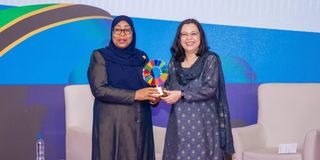
Through strengthening screening services, early cancer detection can save lives

ZANZIBAR: THE fear of discovering cancer can be enough to keep many people away from a health facility. Others may dismiss unusual changes in their bodies, hoping they will disappear on their own. Yet health professionals in Zanzibar are urging residents to overcome these fears and seek screening early, stressing that timely detection can improve treatment outcomes and save lives.
The message took Centre stage during Pink October 2026, a campaign dedicated to raising awareness of breast cancer and encouraging women and men to take responsibility for their health through regular self-examination and professional screening.
For beneficiaries who have accessed screening services, the campaign offers an important opportunity to encourage others to overcome hesitation and make their health a priority. Their experiences of receiving services, alongside the efforts of health professionals, underline the importance of bringing cancer awareness and screening closer to communities.
Zanzibar Minister for Health Ms Nassor Ahmed Mazrui said breast cancer remained one of the major cancer-related health challenges facing the islands and was the leading cause of cancer deaths among women, according to official Ministry of Health statistics.
He urged people not to wait until they experienced pain or visible symptoms before seeking medical attention, noting that cancer detected at an early stage offers a greater chance of successful treatment and continued healthy living.
“Do not wait,” was his central message to the public during the Pink October campaign. He encouraged people to understand their bodies, examine their breasts regularly and seek professional screening, while urging anyone who notices unusual changes to visit a health facility promptly.
The warning is supported by figures from the BEAT Breast Cancer programme for 2025/2026. More than 200,000 people received breast cancer education, while over 29,000 underwent breast cancer screening in Zanzibar. Of those screened, 1,717 people, equivalent to approximately six per cent, were identified as having signs requiring further investigation.
Further examinations confirmed breast cancer in 115 patients. More concerning, 58 per cent of the confirmed cases were diagnosed at stages three and four, when the disease was already advanced. The figures highlight the need to improve awareness and encourage people to seek medical assessment before the disease progresses.
Dr Maryrose Giattas, director of the BEAT Breast Cancer programme, said Pink October provided an important opportunity to educate communities about breast and cervical cancer, the importance of prevention and the benefits of early detection.
She stressed that access to accurate information about cancer symptoms and the use of available screening services were essential in strengthening the fight against the diseases, particularly breast cancer, which remains a significant health concern for women in Zanzibar.
For beneficiaries who have accessed screening, the message is equally important: seeking health services should be viewed as a responsible step towards protecting oneself and one’s family, rather than something to fear or postpone.
The Ministry of Health is working with development partners, including Jhpiego, to strengthen screening, early diagnosis, further investigations, referral arrangements and follow-up care for patients with breast cancer.
Dr Faiza Abbasi, Director of Preventive Services and Health Education, said screening services at designated health facilities were provided free of charge, making them accessible to members of the public without payment for the screening itself.
“Routine screening is available during normal working hours, generally until 3:30 p.m. The ministry also conducts community outreach activities to reach people who face difficulties accessing health facilities,” she said.
At 28 health centres, she said the main screening services focus on breast and cervical cancer. Prostate cancer assessment and screening are available at designated district hospitals, while people suspected of having other cancers are assessed and referred for further investigation according to their medical needs.
Dr Abbasi said Zanzibar had an established referral system to ensure patients requiring specialised investigations or treatment could receive appropriate care. Patients needing mammography or chemotherapy are referred to designated facilities, including Lumumba and Pangatupu hospitals.
“Those requiring radiotherapy are referred to the Ocean Road Cancer Institute in Dar es Salaam, while patients needing highly specialised treatment unavailable locally may be referred abroad, including to India, through the Ministry of Health,” she said.
The availability of these services means that people who suspect a problem have a pathway towards further assessment and care. However, health officials emphasise that screening is only the first step; patients must also follow medical advice and complete recommended investigations.
Mazrui said the government was continuing to strengthen healthcare services through investment in infrastructure, modern diagnostic equipment, medicines, digital systems and the recruitment and training of health workers.
Plans include completing and developing specialised cancer treatment infrastructure, alongside improving specialist services within Zanzibar to reduce the need for patients to travel outside the islands for care. He also called on families, religious leaders, community leaders, employers, young people and healthcare workers to become ambassadors for cancer awareness.
Their involvement, he said, was essential in addressing fear, misconceptions and social attitudes that can delay people from seeking medical attention. The minister stressed that people living with cancer need more than medical treatment.
They also require love, encouragement, family support and counselling to help them cope with the challenges of diagnosis and treatment. For beneficiaries, like Ms Asha Omar Hassan, sharing experiences and encouraging others to use available screening services can help make early testing a normal part of looking after one’s health.
ALSO READ: Experts call for routine breast cancer checks
Although individual experiences differ, their participation in screening and awareness activities can help reassure others that seeking medical advice is a positive and necessary step. As Pink October continues to draw attention to cancer, health officials are urging residents to recognise warning signs such as a lump in the breast or armpit, changes in breast size or shape, skin changes, nipple changes or unusual discharge, including blood.
They also caution that the absence of symptoms does not necessarily mean a person is free from disease, making regular health checks and professional advice important. The message from Zanzibar’s health authorities is clear: early detection must become a shared responsibility involving individuals, families, communities, healthcare providers and development partners.
For beneficiaries who have accessed screening, and for those still hesitant to visit a health facility, the campaign offers a reminder that taking action early can make a critical difference. Know your body. Seek screening early. Take action without delay.
In the fight against breast cancer and other cancers, overcoming fear and making timely use of available health services could help save lives and protect families across Zanzibar.