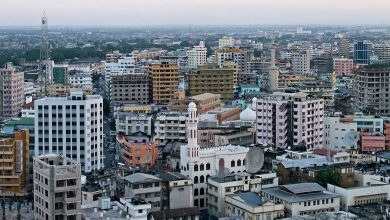
The slow road out of poverty runs through Ulyankulu
ULYANKULU: IN February 2025, business mentors went door to door through four villages in this corner of Tabora region. They found that 14 per cent of the poorest households were living on more than three dollars a day. After 12 months of project implementation, the figure was 82.75 per cent.
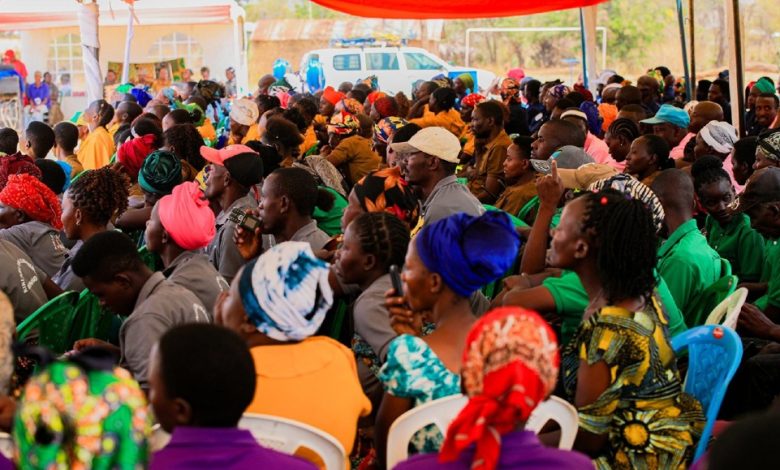
Two graduation ceremonies three days apart marked the change. Under canvas in Mapigano on Friday 21 August, 762 households from Mbeta, Mapigano and Taba collected their certificates from Jumanne Singani, the Ulyankulu settlement officer. At Sasu on Monday 24 August, 594 more collected theirs, with the District Commissioner of Kaliua as guest of honour. Group leaders came up one at a time to shake hands at the head table, take the certificate and stop for a photograph. Choirs sang, business groups laid out produce, poultry and milled rice, and every mention of the programme drew the same answer from the crowd: ongeza kipato cha familia, increase the family income.

Together the 1,356 households are Cohort 2, and all of them entered the programme among the poorest in the settlement. The programme is DREAMS Tanzania, and it exists to settle a question development agencies have argued over for decades: can families in extreme poverty be moved permanently into the economy, or does aid simply drain away once the project leaves?
DREAMS, or Delivering Resilient Enterprises and Market Systems, is led by Mercy Corps with Village Enterprise, Caritas Tabora and the legal aid organisation Dignity Kwanza. Running to December 2027, it aims to build the self-reliance of 150,000 people across the Ulyankulu, Mishamo and Katumba settlements, where naturalised Tanzanians and their host villages live side by side. So far it has reached 140,414 people.
HOW IT WORKS
The method is deliberately slow. Nobody is handed cash on day one. Officers first visit every household in a chosen village with a Poverty Probability Index Survey, and the answers decide who qualifies. “We do not sit under a tree and ask the chairman who is poor here,” says January Julius Nyanda, who manages the field teams for Caritas Tabora. “He would name his relatives.”
In Cohort 2, 1,670 households qualified and 1,356 enrolled. They worked through nine training modules on group dynamics, financial literacy and enterprise development, then formed savings groups of thirty to forty five members and business groups of three households each. Only then did the first tranche of the grant: 533,820 Tsh per business group, and a second grant of 228,720 six months later, 344.4 million in all across 452 businesses.

Frederick Umbule Modestus, who mentored about 150 participants, is precise about where they began. “A person would get hold of ten thousand shillings with no idea that seven thousand could be spent and three thousand kept,” he says. “There was no thought of business at all.”
Not everyone joined at first. Rumours went round that the capital would be reclaimed later, in land or livestock, and some stayed away until they saw the first groups share out.
WHAT A YEAR PRODUCED
The exit survey, run by Caritas Tabora as the cohort finished, found average household assets up from $260 to $955 and per capita consumption from $164 to $453. Households saving regularly rose from 3.5 per cent to 99.7 per cent, and 91.8 per cent of the businesses were rated healthy at exit.
John Brighton Mwangolela farms in Itagwa hamlet, in Sasu. At Monday’s ceremony he counted his year out loud.
“We started with four goats. By the end of the year we had sixteen. We each took one pregnant goat, sold the remaining thirteen, and bought a pregnant cow. As I stand here, she calved a week ago, and we are drinking her milk.”
Antonet Yohana chairs the Muungano savings group in Taba, which buys paddy, mills it and sells rice by weight. The month she picked out was January, when school fees fell due and parents once borrowed from moneylenders at rates she summarised as half for half. Her group now lends to its own members cheaply.
WHAT THE LAW CHANGED
Money brings complications of its own, which is why a legal aid organisation sits in the consortium. Ulyankulu is reserved land and cannot be bought or sold inside the settlement, so rising incomes had to come with an understanding of where land can legally be purchased. Masala Johnson, the project’s legal officer, has also helped members obtain birth certificates for children entering Form Five, and national identity numbers, without which no bank account is possible.
His team worked on harder ground too. “When we came in, a great deal of gender based violence was being reported in the home, including men refusing to let their wives attend the business training,” he says. “Now there are men who testify that they have let their wives trade.”
For Mwangolela, the legal classes changed the way his village talks about daughters.
MARKETS WITH THEIR OWN REASONS TO STAY
What separates DREAMS from a grant scheme is what happens once the businesses exist. CRDB Bank Foundation moved money out of tin boxes and into some 708 accounts in the Sasu area alone, KickStart International supplies irrigation pumps, SimuSolar solar milling on interest free credit, AKM Glitters day old chicks. Mgarang’ombe Traders, which mills paddy, joined to strengthen the rice value chain, and got something back.
Across the programme, every dollar DREAMS invests has been matched by $4.83 of private capital alongside it.

WHAT LASTS
Even the prizes carried the programme’s logic. To qualify for the chairs, every member of a group had to have saved at least 250,000 shillings across the 52 week cycle. At Sasu the prize went to Maboresho, which had banked 12,882,000.
The certificates matter more. DREAMS works through district officials rather than around them, and at Sasu the District Commissioner of Kaliua told graduates that the council sets aside ten per cent of its revenue for group loans, instructing his staff to give priority to groups holding DREAMS certificates. “That certificate is registered with the council and recognised by it,” Martin Mgallah, the deputy programme manager, told them. “Chairpersons, keep it safe. It is the life of your group.”
The rest of the design points the same way. Savings groups are member owned and need no outside money to keep running, every business belongs to three households rather than one, and district officers hold records of every group.
ALSO READ: TZ strong GDP growth to create wealth, reduce poverty – AfDB
Cohort 1 is the first real test. “We said goodbye to them a year ago,” Mgallah said. “We visited their businesses yesterday. They are still trading, and still succeeding.” One of them is Abraham Mgaywa of Makingi, who had a large family and no income to meet its needs when the survey reached him. He now calls himself Mabala the Farmer, and this month he sent two lorries of watermelons to Dodoma at the top of the market.
Four more cohorts are training behind Cohort 2, 5,245 households in all, and next year the officers will be at doors in Mkindo, Makonge, Kaswa, Usigara, Keza and Ikonongo. Obed Method Bujoro, who chairs the Mapigano village government, wants them back in his own village. He has noticed something no survey would catch: children from struggling households used to appear at neighbours’ doors at mealtimes, and that has stopped.

Anastazia Paulo Makula read the graduates’ address at Sasu. She had joined with no capital, set herself a three month savings target, and opened a children’s clothing shop with what it produced. Her summary was the shortest of the day.