The Cost of Not Moving Up the Value Chain
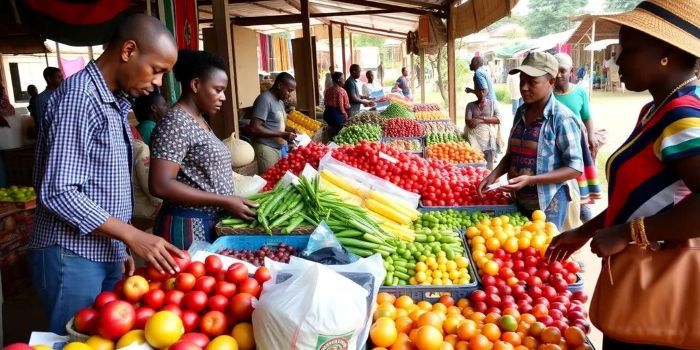
DAR ES SALAAM: Across Tanzania’s agricultural heartlands, growth is visible. Fields are fuller, output is rising and farmers are producing more than ever before. Yet for all this effort, much of the value slips away before it reaches those who worked hardest to create it. The real gap is not in production. It lies in what happens after.
From farm to market, value is lost at every stage. Crops move quickly, but without processing. Goods travel long distances but without efficient logistics. Markets exist but remain fragmented. As a result, Tanzania produces more yet earns less than it should. This is the quiet cost of not moving up the value chain.
Where value disappears
The leak begins at harvest. Limited storage and aggregation facilities mean a significant share of produce never reaches formal markets. What does make it there often arrives raw and ungraded, without packaging or basic processing. Each of these missed steps removes an opportunity for higher income.
Transport adds another burden. Agricultural goods frequently move through long, uncoordinated routes. Without reliable logistics and cold chain systems, delays reduce quality, costs rise and margins shrink. By the time produce reaches buyers, much of its potential value has already declined.
Processing capacity remains thin in many production zones. Raw commodities leave farming areas only to return later as finished or semi‑processed goods at higher prices. When this happens, value creation shifts elsewhere, and local economies are left with volume but limited reward.
This loss is not theoretical. It shows up in lower farmer earnings, stalled agribusiness growth and missed opportunities for exports and tax revenue.
The export opportunity just out of reach
Demand for processed agricultural products continues to grow across the region and globally. Yet Tanzania still exports many of its commodities in raw or minimally processed form. This places the country at the lowest end of the value chain, where margins are thin and exposure to price swings is greatest.
Moving up the value chain changes that position. It allows producers and businesses to earn more per unit, meet international quality standards, and build stronger agreements with buyers. It also creates jobs closer to home and strengthens local supply chains.
But progress has been slow. Processing facilities remain limited. Logistics systems are uneven. And access to structured markets is not yet widespread enough.
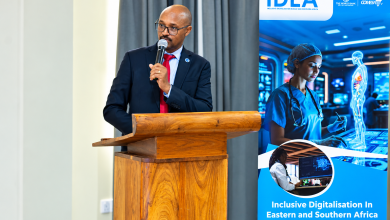
Head of agribusiness stanbic bank Tanzania Benifrida Tarimo observes, “The challenge is not production. It is how production connects to value. When value chains are incomplete, we export opportunity instead of capturing it.”
Financing and coordination matter
For many agribusinesses, the biggest constraint is not ambition but ability. Tight cash flows make it difficult to invest in storage, processing equipment or reliable transport. Without financing that is aligned to agricultural cycles, scaling beyond primary production becomes a risk few can afford.
While financial institutions have begun to respond, gaps remain. Businesses need structures that recognise seasonality, trade flows and long value chains. Without these, moving up the chain remains out of reach for many.
Coordination is another challenge. Farmers, aggregators, processors and distributors often operate independently. This fragmentation weakens bargaining power, raises costs and discourages long‑term planning. Where coordination is stronger, efficiency and resilience improve.
What the data is telling us
Recent insights from the Trade Barometer point to a clear divide. Businesses that operate across more stages of the value chain consistently perform better. They are more resilient, manage costs more effectively and access markets with greater confidence.
Those positioned at only one point in the chain face greater volatility. Their margins depend heavily on external shocks, transport disruptions and price movements beyond their control.
“The evidence is clear,” Tarimo notes. “The closer a business is to the full value chain, the more control it has over pricing, market access and long‑term growth.”
Progress requires deliberate choices
Moving up the value chain will not happen automatically. It demands targeted investment, stronger partnerships, and better alignment across policy, finance and infrastructure.
Processing must happen closer to where food is produced. Logistics must become more reliable and predictable. Market linkages, both domestic and regional, must deepen. Equally important, businesses need access to market intelligence that informs better decisions on pricing, standards and exports.
Knowledge, capital and coordination must move together.
The cost of standing still
The cost of not moving up the value chain is already with us. It appears in lost income, underperforming enterprises and unrealised export potential. Yet the opportunity remains within reach.
With focused action, Tanzania can shift from growth driven by volume to growth driven by value. Such a shift would reward farmers, strengthen businesses and position the country more competitively in regional and global markets.
The question is no longer whether the opportunity exists. It is whether we move quickly enough and deliberately enough to capture it.