TARURA deploys advanced soiltesting technology
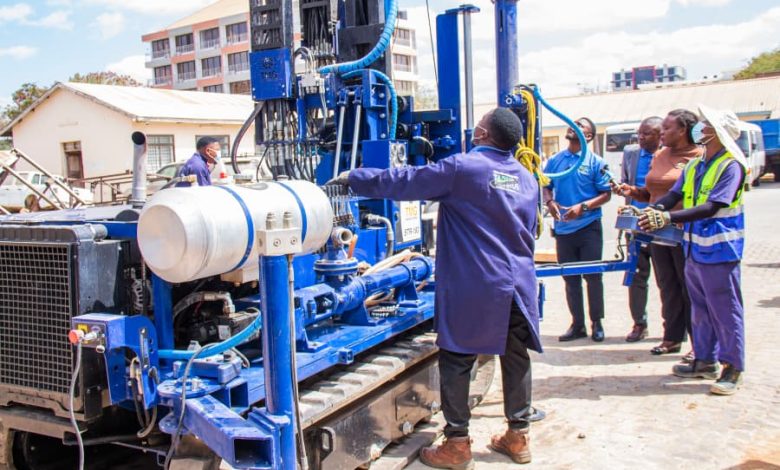
DODOMA: TANZANIA Rural and Urban Roads Agency (TARURA) has begun using advanced technology to carry out detailed soil investigations before constructing roads, bridges and other infrastructure, following an investment of more than 2bn/- in specialised drilling equipment.
The new technology enables engineers to analyse underground soil and rock layers before construction, helping them determine suitable foundation designs and build infrastructure that is safer, more durable and better able to withstand climaterelated challenges.
Acting Head of TARURA’s Research and Quality Control Unit, Engineer Vincent Lwanda, said soil investigation is one of the most critical stages in ensuring infrastructure remains strong and lasts longer.
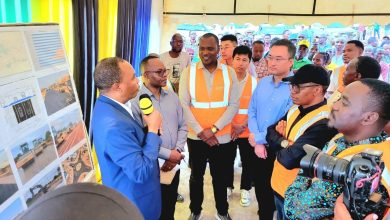
Speaking during a media tour of the agency’s laboratories in Dodoma, he said TARURA has strengthened research on soil and construction materials, with laboratory findings guiding engineers in planning and executing projects.
“We do not use these laboratories for roads alone. We welcome members of the public undertaking construction projects to bring their materials for quality testing,” he said.
Eng Lwanda said the laboratories have significantly improved the quality of roads built by TARURA compared with previous years, when some roads deteriorated shortly after construction because of inadequate investigation of soil conditions and construction materials.
He said the agency now operates a central laboratory in Dodoma and 16 regional laboratories across the country, providing testing services to government institutions, contractors and private developers.
Contractors implementing TARURA projects are also required to use the laboratories at different stages of construction, with test results forming part of quality verification before payments are approved.
The facilities have also become practical training centres for university students pursuing engineering programmes.
ALSO READ: TARURA sets aside 1bn/- for El Niño
TARURA Materials Engineer, Emmanuel Kilasi said the agency’s newly acquired drilling rig can collect soil and rock samples from depths of 200 to 300 metres, providing crucial information about the ground’s load-bearing capacity before construction begins.
He said the findings help engineers design appropriate foundations for major infrastructure such as bridges, roads and buildings.
“Accurate information about ground conditions before construction is essential in reducing challenges that may arise during implementation or after projects are completed,” Kilasi said.
He added that the technology enables engineers to select construction methods that match the geological conditions of each project site, reducing the risk of structural failures and costly repairs.
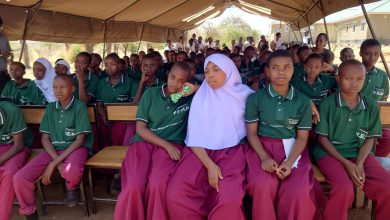
The laboratories are also helping to prepare the next generation of engineers through hands-on training. Second-year student at the Mbeya University of Science and Technology (MUST), Ms Vivian Mwakabaja said the practical training had helped to bridge the gap between classroom learning and real engineering work.
“The training has enabled me to learn how to test soil quality and determine its loadbearing capacity,” she said.
The move comes as TARURA continues to strengthen quality control measures aimed at ensuring public infrastructure delivers better value for money while remaining resilient under changing environmental conditions.