TARI warns on sweet potato pests
MWANZA: FARMERS have been urged to step up control of sweet potato weevils and viral diseases that can wipe out up to 90 per cent of harvests, posing a serious threat to food security and farmers’ incomes.
A Crop Research Officer at the Tanzania Agricultural Research Institute (TARI), Ms Mwanjia Ngangambe, said sweet potato weevils attack storage roots, causing heavy production losses.
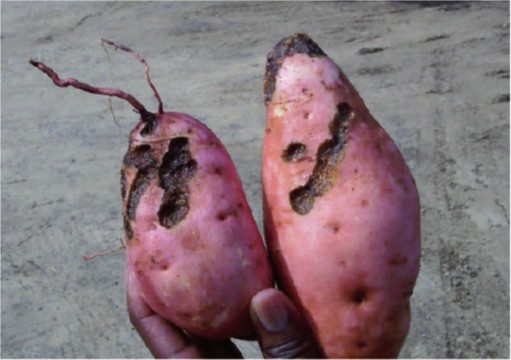
“The larvae bore into storage roots, reducing both the quality and quantity of the harvest,” she said.
She explained that the pest creates dark punctures and tunnels filled with waste inside the roots, making them bitter, unmarketable and unfit for consumption.
According to Ms Ngangambe, severe weevil infestations can cause farmers to lose up to 60 per cent of their crop value.
She advised farmers to carry out regular field inspections and adopt integrated pest management practices, including early planting, timely harvesting, earthing up (hilling) and seeking technical support from agricultural extension officers.
ALSO READ: BRT Phase II project impresses the AfDB President
Ms Ngangambe also warned against Sweet Potato Virus Disease (SPVD), which results from the combined infection of Sweet Potato Feathery Mottle Virus (SPFMV) and Sweet Potato Chlorotic Stunt Virus (SPCSV).
She said the disease causes severe crop damage, stunted growth and yield losses of up to 90 per cent if left uncontrolled.
“Farmers should watch for early symptoms such as stunted growth, deformed leaves and yellow-green mosaic patterns on the foliage,” she said.
She added that infected plants often develop narrow, wrinkled and twisted leaves, while storage roots fail to develop properly, resulting in poor harvests and income losses.
The researcher urged farmers to use certified clean planting vines, uproot and destroy infected plants and inspect their fields regularly to limit the spread of the disease.
She further said TARI-Ukiruguru has established a formal seed system for vegetatively propagated crops, including sweet potatoes to improve farmers’ access to clean planting materials and reduce the spread of viruses and weevils.
Ms Ngangambe also advised farmers to replace planting vines after every four cropping seasons to maintain high yields.
Sweet potato is among Tanzania’s key food and cash crops, supporting thousands of households, with experts stressing that effective pest and disease management is vital for boosting productivity and strengthening food security.