Tanzania’s Health Experts broaden efforts to improve disease surveillance

DAR ES SALAAM: TANZANIA is taking new steps to strengthen its national laboratory network as part of broader efforts to improve disease surveillance and preparedness for future health threats.
Health experts, government officials, regulators, and development partners met in Dar es Salaam today, March 11, 2026, to explore strategies aimed at improving coordination among laboratories and enhancing the country’s ability to detect and respond to disease outbreaks.
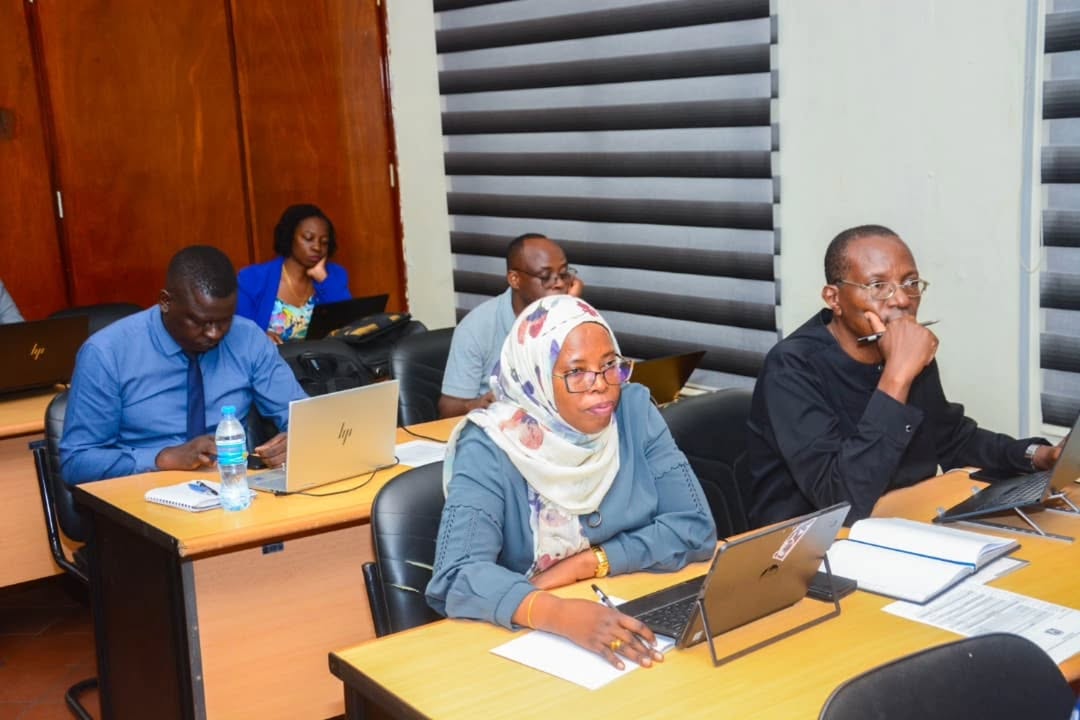
Speaking during the meeting, a representative from the Prime Minister’s Office, Regional Administration and Local Government (TAMISEMI), Ms Mwaisha Mrisho, said building a stronger and more coordinated laboratory system is key to protecting public health.
She noted that closer collaboration between different sectors will help the country prevent, detect and respond more effectively to both emerging and recurring infectious diseases.
“A resilient laboratory network is an essential pillar of national and global health security,” she said.
Participants at the meeting proposed expanding the laboratory network to include additional sectors such as the Ministry of Water, highlighting the link between water systems and the spread of waterborne diseases like cholera.
They also recommended integrating blood safety initiatives and increasing the involvement of universities and research institutions to strengthen technical expertise and innovation in the laboratory sector.
However, Ms Mrisho acknowledged that the network faces several challenges, including heavy reliance on external donor funding, which threatens the long-term sustainability of key surveillance programmes.
To address this, stakeholders called for dedicated domestic funding to support laboratory network activities and ensure stronger institutional commitment from participating agencies.
The meeting also reviewed Tanzania’s progress in adopting genomics technologies to monitor emerging infectious diseases and track antimicrobial resistance — an approach increasingly used worldwide to detect and analyse pathogens.
According to Ms Mrisho, a recent national assessment identified several gaps, including limited capacity for preparing laboratory samples, shortages of equipment and reagents, and the lack of clear national guidelines for genomic surveillance.
Participants emphasised the need to improve maintenance of existing laboratory equipment and promote shared use of specialised technologies across different facilities to maximise efficiency and strengthen the country’s disease monitoring systems.
The discussions form part of Tanzania’s ongoing efforts to build a more resilient health surveillance system capable of responding quickly to future epidemics and safeguarding public health.