Tanzania’s aviation sector flies higher at 63
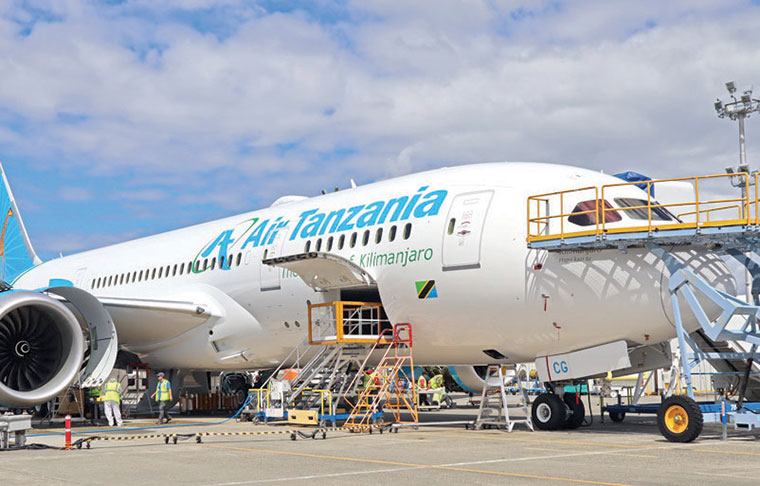
TANZANIA: AS Tanzania celebrates its 63rd independence anniversary, the aviation sector has emerged as a pivotal contributor to the nation’s economic development, growing from humble beginnings into a cornerstone of trade, tourism and investment.
From the days of the East African Airways Corporation (EAAC) to the revitalisation of Air Tanzania Company Limited (ATCL), the sector has expanded significantly in both infrastructure and fleet, solidifying Tanzania’s role as a key aviation hub in East Africa.
President Samia Suluhu Hassan recently underscored the government’s vision of a robust aviation industry, positioning Tanzania as a preferred destination for investment, trade and tourism.
According to the Tanzania Civil Aviation Authority (TCAA), the aviation sector now contributes 2.5 per cent of the GDP, a remarkable leap from its negligible contribution during the early days of independence, when the sector was hampered by limited infrastructure, low passenger volumes and rudimentary services.
Employment in the sector has increased by 47 per cent, with approximately 10,000 people currently employed. The government has committed to significant investments aimed at modernising the national air carrier, ATCL, upgrading airport infrastructure and encouraging private sector involvement in the industry.
Over the past eight years, nearly 4.0tri/- have been invested in revitalising ATCL.
Key projects include the construction and rehabilitation of airport terminals, expansion of runways, purchase of modern aircraft and the enhancement of cargo handling and passenger facilities.
ALSO READ: Tanzania celebrates progress in health sector
Tanzania now boasts 14 airports with operational runways, eight of which are equipped with lighting to support night operations. Major upgrades are underway at airports in Musoma, Sumbawanga, Iringa, Tanga and Moshi, reflecting the government’s commitment to expanding the aviation network and supporting regional development.
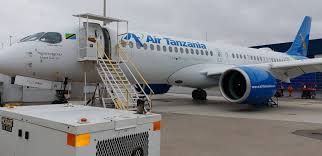
The transformation of Tanzania’s national airline is notable. During the EAAC era, operations relied on a modest fleet, including six DH89A Dominies and five Lockheed 18-56 Lodestars, which served regional routes. Following the collapse of EAAC in 1977, Tanzania established ATCL, inheriting a small fleet, including two Fokker F27-200s.
Today, ATCL operates a fleet of 16 modern aircraft, including the Boeing 787 Dreamliner and Airbus A220, enabling it to serve both domestic and international destinations.
Domestically, ATCL connects over 10 destinations, including Dar es Salaam, Dodoma, Mwanza and Zanzibar. Internationally, it reaches cities like Dubai, Mumbai, Guangzhou and several African capitals.
Private carriers, such as Precision Air, have also bolstered regional connectivity, creating more opportunities for economic integration within East Africa.
The TCAA has made notable strides in enhancing air safety and efficiency, achieving 100 per cent radar coverage across Tanzania’s airspace—up from 25 per cent in 2019. New radar systems at major airports have significantly improved operational efficiency and airspace safety.
Furthermore, Tanzania’s aviation security ranks fourth in Africa, with an 86.97 per cent score in the International Civil Aviation Organisation’s 2023 audit. The TCAA has also facilitated international connectivity by signing 85 Bilateral Air Services Agreements, enabling airlines from 17 countries to operate in Tanzania.
To address the shortage of skilled aviation professionals, the TCAA is investing in training initiatives, including the construction of a Civil Aviation Training Centre.
Analysts like Renatus Kyakalaba affirm that the government’s investments in aviation infrastructure will significantly boost economic growth.
“These investments are catalysts for positive growth, driving sectors such as tourism, trade and mining, and attracting foreign direct investments (FDIs),” he said.
A businessman and aviation stakeholder, Dennis Magene, highlighted the sector’s role in supporting tourism initiatives like the Royal Tour.
He urged the government to foster a conducive environment for private sector growth, particularly by introducing low-cost carriers to serve lower-income travellers. The aviation sector’s expansion has had far-reaching effects, from facilitating the movement of goods and people to attracting international airlines and investors.
Air Tanzania’s modern fleet, combined with improved airport infrastructure, has not only facilitated easier movement of goods and people but also attracted more international airlines and investors.
Private carriers like Precision Air have contributed to regional connectivity, creating more opportunities for economic integration within East Africa.
As the sector continues to grow, it remains a key driver of Tanzania’s overall economic development and an important factor in its aspirations to become a regional leader in the aviation industry. The TCAA has reported significant improvements in the country’s aviation sector, reinforcing its position as a safe and attractive destination for airlines.
The TCAA continues to address the shortage of skilled aviation professionals by investing in training initiatives, such as the construction of a new Civil Aviation Training Centre. This growth aligns with Tanzania’s broader economic development strategy, which focuses on infrastructure improvements to foster investment, tourism and regional trade.
Mr Dennis Magene, a businessman and aviation sector stakeholder, said, “What the government is doing to increase investment in the aviation sector is significantly supporting the Royal Tour’s initiative and boosting the tourism sector.”
Apart from revamping the ATCL, the government should continue to put an enabling environment for the private sector to thrive, particularly by introducing lowcost carriers.
“We need additional airlines into Tanzania’s airspace, particularly the lowcost airlines, to cater to the low-income earners,” he noted.
The future looks promising as the sector propels Tanzania into its next phase of economic transformation.