Tanzania’s Auditors body warns public institutions against inadequate risk management

DAR ES SALAAM: THE Internal Auditors Association of Tanzania has identified risk exposure as one of the key challenges affecting institutions during audit processes, warning that inadequate risk management can undermine operational efficiency.
Speaking in Dar es Salaam, the association’s president, Jonathan Ngoma, said such challenges arise when institutions fail to properly manage risks that affect project execution and day-to-day operations.
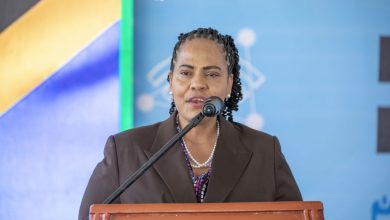
He made the remarks during the launch of Internal Audit Awareness Month, a nationwide initiative running throughout the month, aimed at enhancing understanding of the role of internal auditing in strengthening governance and accountability frameworks.
Ngoma explained that the primary role of internal auditors is to ensure institutions comply with established guidelines, procedures, and regulatory frameworks in project implementation, while also providing objective assessments of both performance strengths and operational gaps.
ALSO READ: UNICEF pushes for risk management preparedness
“We assess projects to determine whether procedures have been followed and report to the respective boards on what has been done well and what requires improvement. The objective is to support institutions in enhancing performance,” he said.
He added that internal auditors work collaboratively with management and governing boards to ensure that recommendations are implemented, ultimately improving institutional efficiency and contributing to broader national value creation.
He further emphasized that effective collaboration between auditors and audited institutions is critical for achieving intended outcomes, noting that this year’s theme, “The Value of Internal Auditing,” underscores the profession’s contribution to economic and social development.