Tanzanians with disabilities request authorities to expand their access to malaria healthcare services
MOROGORO: PEOPLE with disabilities have called on the government, through the Ministry of Health, to expand access to malaria education, prevention and healthcare services by adopting more inclusive approaches that ensure no one is left behind in the fight against the disease.
The appeal was made during a consultative meeting held in Morogoro, where officials from the Ministry of Health and other stakeholders met with persons with disabilities to gather views on how malaria awareness messages can be made more accessible and responsive to the needs of all members of society.
The meeting formed part of efforts by the National Malaria Control Programme (NMCP) to improve public health communication and ensure malaria education reaches every segment of the population in support of Tanzania’s Development Vision 2050.
Speaking on behalf of the Tanzania Association of the Deaf (CHAVITA) in Morogoro Region, Mr Salum Ramadhani Ally urged the Ministry of Health to strengthen collaboration with the association to ensure timely dissemination of accurate malaria information to people with hearing impairments.
“We call upon the Ministry of Health to work closely with CHAVITA so that accurate information reaches us on time. We have an extensive communication network that enables us to reach members quickly across the country,” he said.
Another participant, Ms Blesing Thobias Kadaya, said people with hearing impairments continue to face communication barriers when seeking healthcare services due to the shortage of sign language interpreters at health facilities.
She noted that the absence of interpreters often makes it difficult for healthcare providers to understand patients’ needs, leading to delays or inadequate access to appropriate medical care.
Ms Kadaya called on the government to deploy sign language interpreters in health facilities to facilitate effective communication between healthcare workers and patients with hearing disabilities.
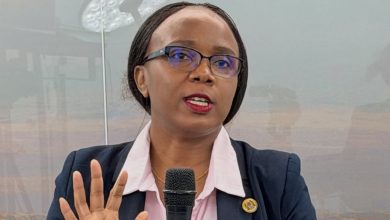
Earlier, the Head of the Information Desk at the National Malaria Control Programme under the Ministry of Health, Ms Leah Ndekule, said the consultation was intended to identify challenges faced by persons with disabilities and collect recommendations that would help improve malaria education messages.
She said the programme had previously developed malaria awareness messages but later found that they had not adequately reached persons with disabilities, prompting the need for a more inclusive communication strategy.