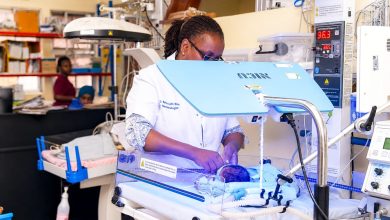
Tanzania zeroes in on minimizing unsafe childbirth, epilepsy

DAR ES SALAAM: THE Tanzanian government, through the Ministry of Health, has continued to strengthen reproductive health services across the country to minimize the negative effects of unsafe childbirth, including the rise of non-communicable diseases such as epilepsy and child malnutrition.
This was revealed by Dr. Omary Ubuguyu, the Assistant Director for Non-Communicable Diseases at the Ministry of Health, during a ceremony to receive a progress report on the SHINE Project, funded by the government of Italy and aimed at raising awareness about epilepsy.
ALSO READ: How USAID is helping Zanzibar accelerate progress towards reducing maternal, newborn mortality
Dr. Ubuguyu stated that, according to statistics for the 2024/25 period, a total of 192,000 epilepsy cases were reported in health facilities across the country. He noted that the SHINE project will play a vital role in efforts to reduce the impact of the disease, particularly among children.
Speaking about the project, Valentina Decao, Director of the Italian organization COMSOL, explained that SHINE has been implemented over two years in the regions of Dar es Salaam, Morogoro, and Mbeya. She emphasized that the project focused on educating communities on the best practices for caring for children with epilepsy, including the importance of proper nutrition and appropriate healthcare.
Parents of children with epilepsy who attended the event shared testimonies about how the project has positively impacted the health and well-being of their children. They called on society to stop stigmatizing children living with the condition and instead offer them love, support, and understanding.

The SHINE Project has been highlighted as a successful example of international collaboration in improving reproductive health and reducing non-communicable diseases among children in Tanzania.