Tanzania tables National Development Plan for 2027/28 in bid to accelerate socio-economic transformation
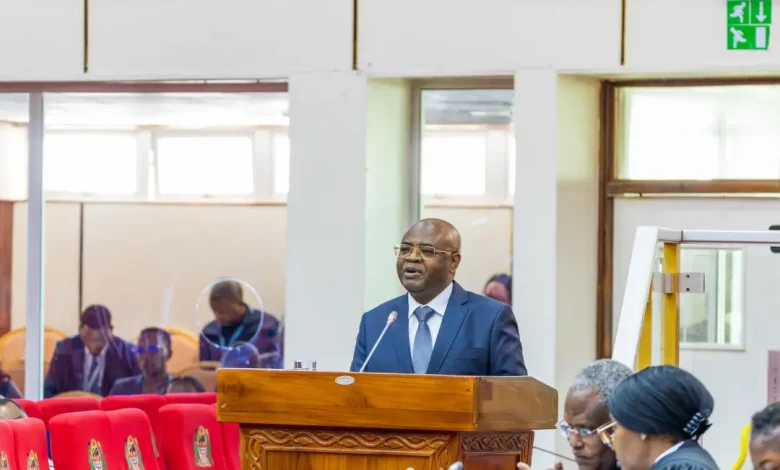
DODOMA: THE Tanzanian government has presented to Parliament the proposed National Development Plan for the 2027/28 financial year, aimed at accelerating economic and social transformation, increasing productivity and economic competitiveness, and improving citizens’ welfare.
The plan forms part of the implementation of Tanzania’s Development Vision 2050 and the Fourth Five-Year National Development Plan (FYDP IV).
Presenting the proposals in Parliament in Dodoma on October 28, 2026, the Minister of State in the President’s Office for Planning and Investment, Prof Kitila Mkumbo, outlined six priorities for the 2027/28 National Development Plan.
They include building a strong, inclusive and competitive economy; strengthening human capabilities and social development; conserving the environment and enhancing resilience to climate change; strengthening development enablers; improving the implementation of transformative sectors; and reinforcing the foundations of national sustainability.
Prof Mkumbo added that, in the areas of the economy and investment, the government would continue improving the business and investment climate, increasing production efficiency, strengthening industries, simplifying regulatory systems and expanding private-sector participation in driving economic growth.
ALSO READ: Uphold unity, stability for national development
He said the government would also prioritise human capital development through education aligned with labour market needs, skills training, science and technology, youth employment and support for small and medium-sized enterprises (SMEs).
The government would further continue preparations for the implementation of universal secondary education beginning in 2028.
Other priorities include strengthening infrastructure for energy, roads, railways, ports and airports; expanding the use of digital technologies; conserving the environment; completing irrigation projects; and adding value to agricultural produce and manufactured goods.
Prof Mkumbo stressed that implementing Development Vision 2050 would require cooperation among the government, Parliament, the private sector, local government authorities, educational and research institutions, development partners and citizens.