Experts warn on rising obesity rates
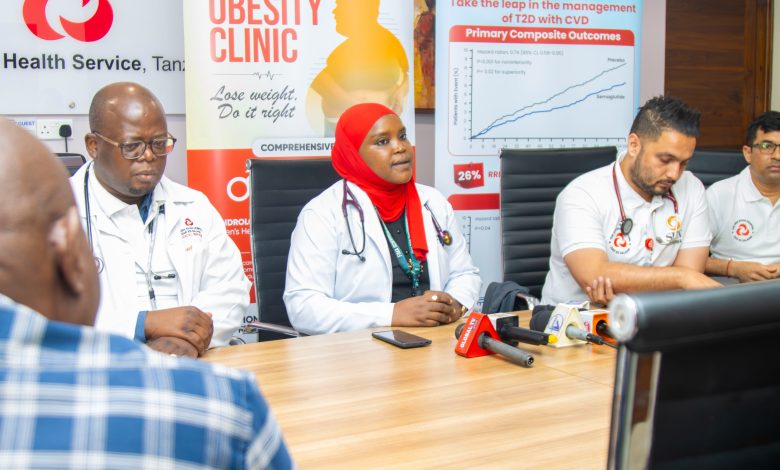
DAR ES SALAAM: HEALTH experts have urged Tanzanians, particularly urban residents, to change their lifestyles in order to curb obesity, which has been identified as a major cause of Non-Communicable Diseases (NCDs), including heart disease, diabetes and hypertension.
According to the World Health Organisation (WHO), overweight and obesity are defined as abnormal or excessive fat accumulation that presents a risk to health.
Statistics indicate that in 2019, an estimated five million deaths from NCDs were linked to higher-than-optimal Body Mass Index (BMI).
Medically, a BMI above 25 is classified as overweight, while a BMI above 30 is considered obese.
Reports further show that obesity and overweight rates are increasing in Tanzania, especially among women, with approximately 36 per cent of women aged between 20 and 49 classified as overweight or obese.
Driven by changing dietary habits and urban lifestyles, the prevalence of overweight and obesity in urban areas reached between 30 and 37 per cent in 2021, with urban dwellers, wealthier individuals and people aged between 35 and 49 facing the highest risk.
Speaking at different occasions during the launch of the Aga Khan Hospital, Dar es Salaam’s Obesity Clinic in Dar es Salaam yesterday, the experts said unhealthy eating habits, lack of physical exercise and sedentary lifestyles have significantly contributed to the growing burden of obesity.
ALSO READ: Tanzania and Ireland hold talks to cement their long-standing ties
They also stressed the importance of balanced diets and regular exercise in safeguarding public health.
The Aga Khan Hospital Dar es Salaam Gastroenterologist, Dr Masolwa Ng’wanasayi, said obesity has become a growing global and local health concern associated with serious conditions such as diabetes, cardiovascular diseases, sleep apnea and metabolic disorders.
He said the newly launched clinic is designed to provide a structured and medically supervised approach aimed at achieving long-term health outcomes rather than offering short-term weight-loss solutions.
“Obesity is not just a lifestyle issue; it is a complex medical condition linked to serious health risks such as diabetes and heart disease,” said Dr Ng’wanasayi.
He added that many individuals struggle with weight management despite repeated efforts, often due to lack of proper medical guidance, noting that the clinic will provide personalised, evidence-based treatment tailored to each patient’s health profile.
The services, he said, include advanced medical therapies, intragastric balloon procedures, bariatric surgery, as well as nutritional and lifestyle support.
Meanwhile, Aga Khan Hospital Cardiologist, Dr Nadeem Kassam, highlighted the strong link between obesity and cardiovascular disease, saying excess body weight significantly increases the risk of hypertension, coronary artery disease, heart failure and stroke.
He further noted that obesity contributes to early-onset cardiac complications and gradually reduces the heart’s efficiency over time.
Dr Kassam emphasised the importance of early intervention, regular health screening and lifestyle modification in preventing long-term cardiovascular damage, particularly among high-risk individuals.
The hospital Dietician, Ms Louiza Shem, said obesity is a multifactorial disease influenced by both individual behaviour and environmental factors affecting dietary adherence.
She underlined the importance of sustainable eating habits that promote consistency, flexibility and healthier approaches to meal planning as part of efforts to improve overall wellbeing.