Tanzania secures investments worth 1.7bn US dollars as keeps on attracting more investors
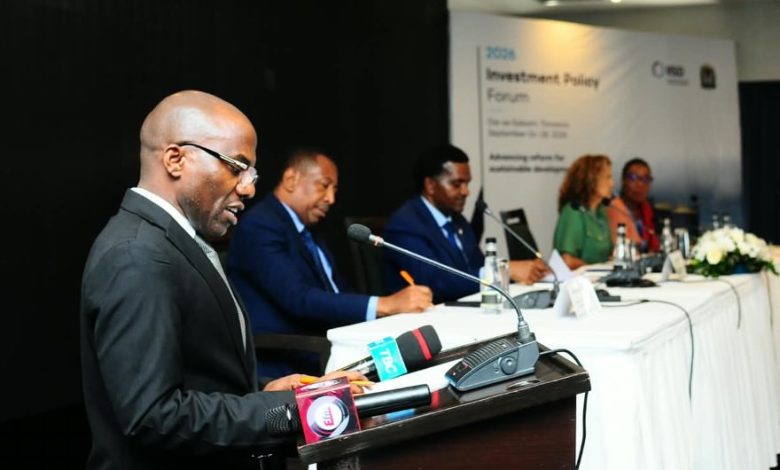
DAR ES SALAAM: TANZANIA has emerged as among the top countries in attracting investors after securing investments worth 1.7bn US dollars over the past five years.
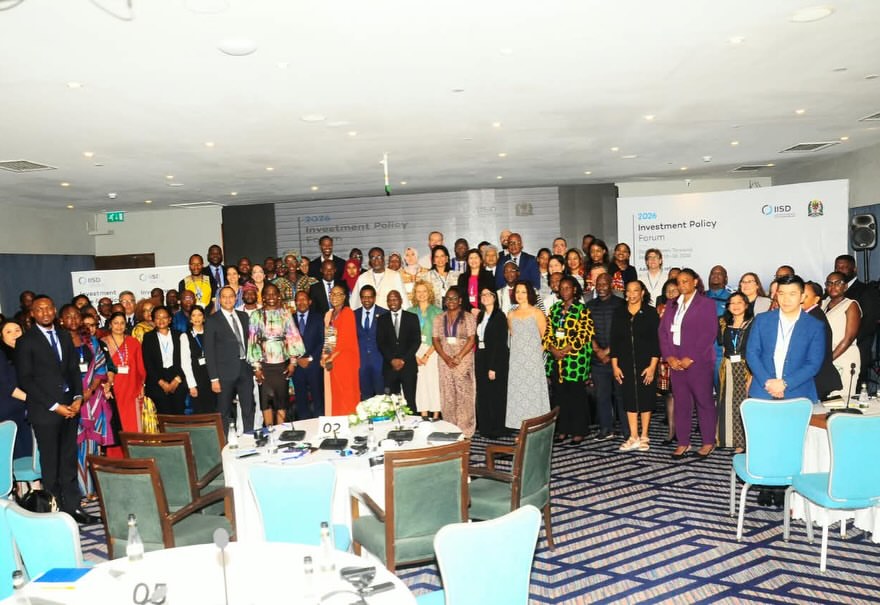
The statement was made today, September 16, 2026, by the Deputy Minister of State in the President’s Office, Planning and Investment, Dr Pius Chaya, during the launch of an investment forum organised by the International Institute for Sustainable Development (IISD) in collaboration with the Tanzania Investment and Special Economic Zones Authority (TISEZA) in Dar es Salaam.
The forum is focused on investment policy, structural and governance frameworks, bringing together participants from more than 60 countries across Africa, Latin America and Asia.
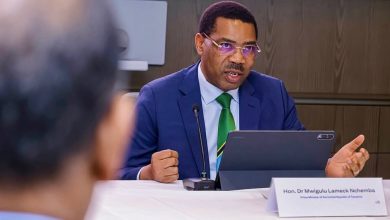
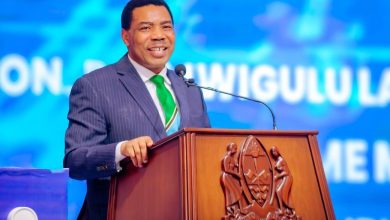
Speaking at the forum, Dr Chaya said TISEZA continues to receive investors interested in investing in Tanzania, attributing the interest to the country’s security, predictable policies and investment-supportive environment.
He said that through the National Development Vision 2050, the government intends to undertake major reforms to investment structures, laws and management systems in order to increase investment in the country.
According to Dr Chaya, some of the reforms are already underway, with the broader objective of positioning Tanzania among Africa’s leading destinations for investment.
“We want investment to be productive in order to address the employment challenge. We have many young people who are unemployed, and through investment we are going to significantly reduce the unemployment problem in the country. More importantly, we are going to strengthen good relations with other countries,” Dr Chaya said.
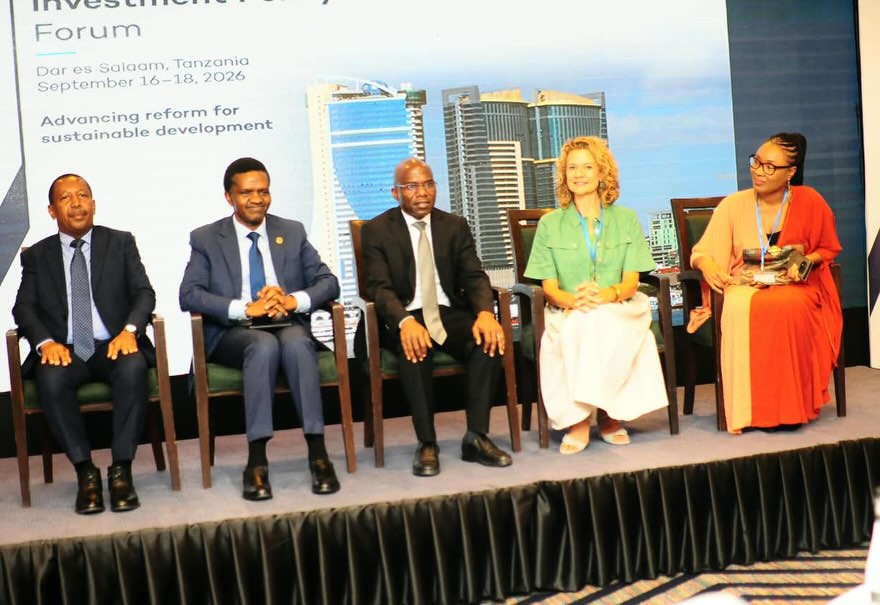
Meanwhile, Nathalie Bernasconi, Vice-President, Global Strategies and Managing Director, Europe IISD, said African countries have begun developing investment frameworks that take into account the continent’s specific circumstances and needs.
She said that after African countries established regional investment frameworks and subsequently developed a continental investment framework through the Investment Protocol of the African Continental Free Trade Area (AfCFTA), they did not simply replicate rules developed elsewhere, but instead began developing new frameworks suited to their own circumstances.
Bernasconi said one of the key challenges is ensuring that new investment rules are compatible with existing frameworks, including investment treaties and mechanisms for resolving disputes between investors and governments.
She said that for new rules to be effective, it is also necessary to address older frameworks that could hinder their implementation.
The IISD’s Director, Sustainable Investment (IISD), Susy Nikièma, said the forum aims to bring together investment policymakers and stakeholders from Africa, Latin America and Asia to exchange experiences and discuss the challenges and opportunities in their respective regions.
ALAO READ: Tanzania reaps gains from Belt and Road Summit in Hong Kong after engagement with global investors
She said participants are also discussing investment priorities and ways of working together to ensure that governments attract high-quality investment capable of delivering long-term benefits.
According to Nikièma, investment should not be assessed solely by the volume of capital entering a country, but also by its contribution to the domestic economy, including value creation, employment generation and improvements in citizens’ livelihoods.
For his part, Hamis Shibu, Permanent Secretary in Zanzibar’s Ministry of Labour and Investment, said the forum provides an opportunity for Mainland Tanzania and Zanzibar to learn from other countries and undertake reforms to investment laws and policies aimed at continuing to attract capital.
He said there remains significant potential to expand investment in Tanzania through international forums and conferences that bring together governments, investors and stakeholders from different sectors.
He stressed that discussions of this nature are important in identifying challenges affecting the investment environment and developing solutions that will enable Tanzania to continue attracting investment that contributes to the country’s economy and benefits its citizens.