Tanzania positions minerals sector at centre of regional industrial strategy

DAR ES SALAAN: Tanzania is positioning its mining sector as a strategic pillar of industrial growth and regional economic integration as African governments intensify efforts to secure greater control over mineral resources amid rising global competition for critical minerals.
The shift follows renewed calls by the Southern African Development Community for stronger public-private partnerships, regional coordination and value addition policies aimed at ensuring Africa benefits more directly from its mineral wealth.
Tanzania, one of Africa’s leading producers of gold and a growing player in graphite, rare earth and battery mineral exploration, has increasingly promoted local processing and downstream investment as part of broader industrialisation plans under President Samia Suluhu Hassan’s administration.
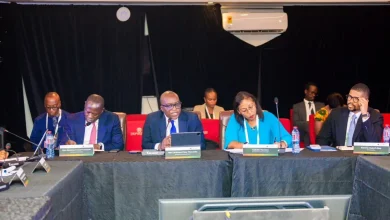
Foreign Affairs and East African Cooperation Minister Mahmoud Thabit Kombo said regional cooperation on mineral development was becoming increasingly important as geopolitical competition for African resources intensifies.
“Africa must ensure its natural resources contribute to long-term development, industrial growth and economic transformation for its people,” Kombo said in remarks aligned with Tanzania’s regional economic diplomacy agenda.
Minerals Minister Anthony Mavunde said Tanzania was seeking to strengthen investor partnerships while ensuring the country gains greater value from extraction activities.
“Our objective is not only extraction but value addition, employment creation and technology transfer,” Mavunde said, adding that Tanzania was working to improve the investment climate while expanding local participation in the mining economy.
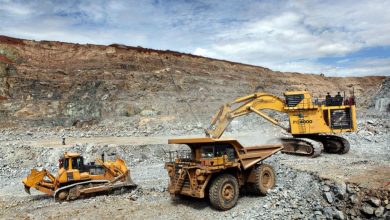
The government has in recent years promoted construction of mineral processing facilities, including gold refineries and graphite development projects, while also expanding negotiations with international investors in strategic minerals linked to electric vehicle and clean-energy supply chains.
Analysts say Tanzania is increasingly attempting to balance two priorities: maintaining foreign investor confidence while pursuing resource-nationalism policies designed to increase domestic economic returns.
The country’s mining reforms introduced over recent years expanded state participation, revised royalty structures and encouraged local beneficiation, reflecting a broader continental trend toward tighter oversight of strategic resources.
Regional officials argue that fragmented policies among African states have historically weakened the continent’s bargaining position with multinational mining companies and external powers.
ALSO READ: Mineral exports hit 14tri/-
SADC Executive Secretary Elias Mpedi Magosi recently said the region must shift from exporting raw materials toward industrial production linked to mineral wealth.
For Tanzania, that strategy increasingly aligns with ambitions to position the country as a regional processing and logistics hub connected to Southern and Eastern African markets.
Industry analysts say Tanzania’s political stability, expanding port infrastructure and strategic geographic location could strengthen its role in regional mineral trade and processing chains if investment conditions remain competitive.
However, challenges remain, including infrastructure financing, energy reliability, regulatory predictability and pressure to balance environmental protection with mining expansion.
Still, Tanzanian officials argue the current global transition toward green technologies presents a rare opportunity for African countries to redefine their role in international commodity markets beyond raw material exports.