Tanzania partners with WHO, AFEM, EMAT in training 62 data collectors for ACTxBEC study
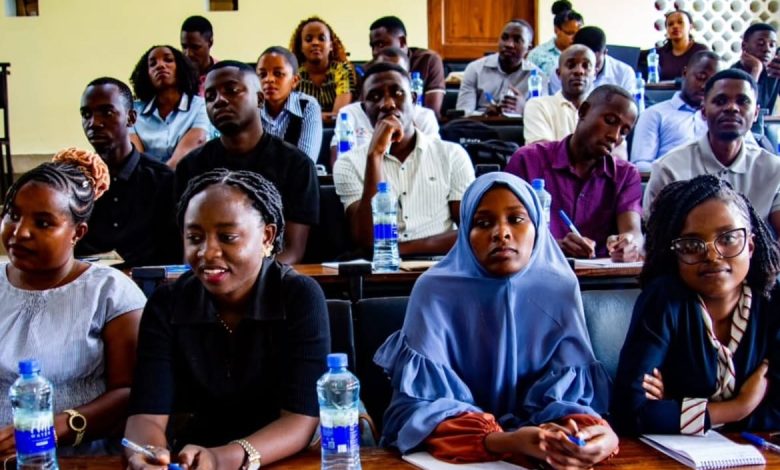
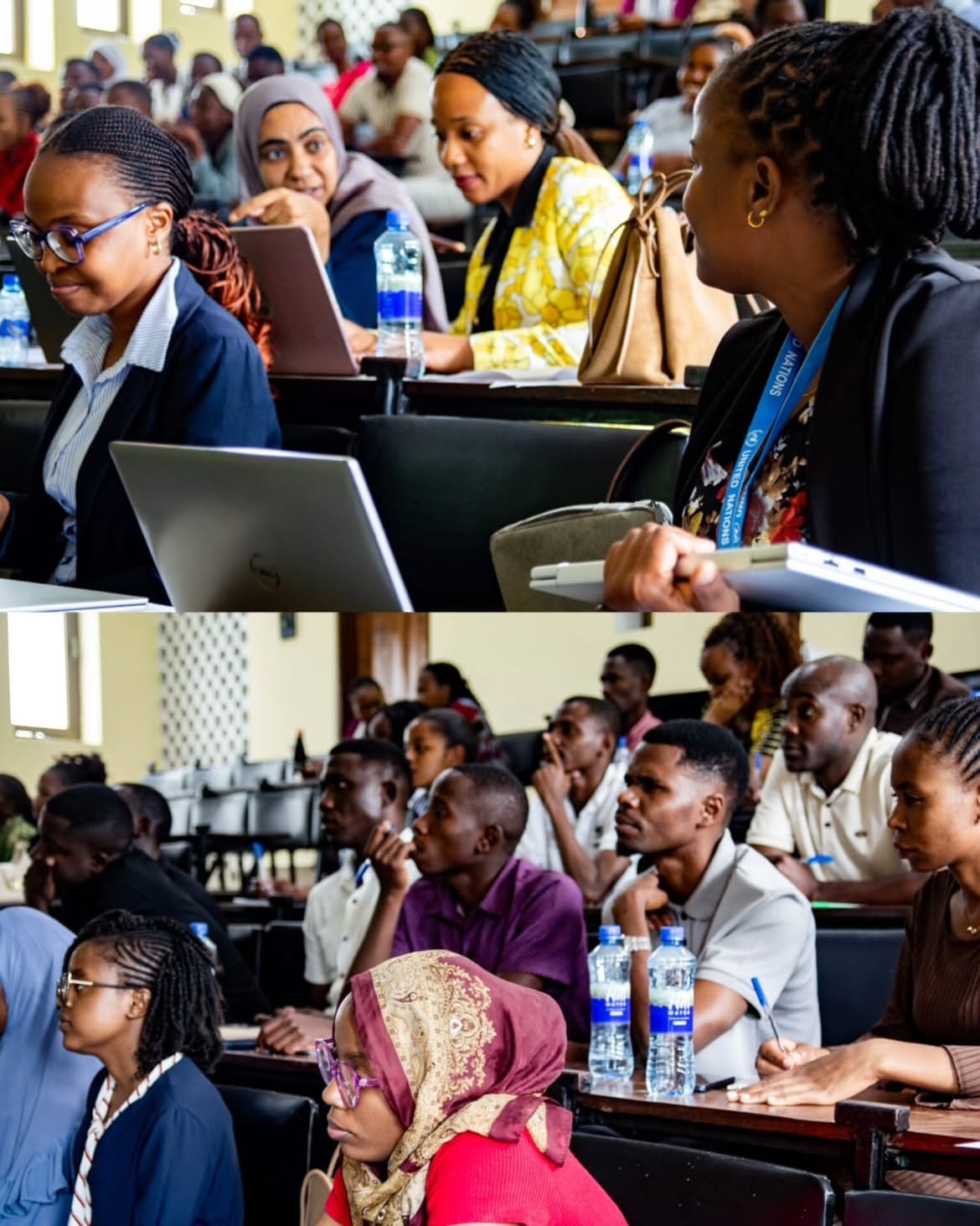
DAR ES SALAAM: THE Ministry of Health, in collaboration with the President’s Office – Regional Administration and Local Government (TAMISEMI), the World Health Organization (WHO), AFEM, Muhimbili University of Health and Allied Sciences (MUHAS) and EMAT, has trained 62 data collectors for the Acute Care Transformation through Basic Emergency Care (ACTxBEC) study, which aims to assess and improve emergency care services at health facilities across Tanzania.
Speaking in Dar es Salaam during the training, Dr Fredrick Myula from the Ministry of Health’s Emergency and Disaster Management Unit said the training was designed to equip data collectors with the skills needed to gather accurate and high-quality information while adhering to research ethics, patient confidentiality requirements, digital data collection systems and professional data collection procedures.
Dr Myula said the information collected will be used to assess the impact of basic emergency care training provided to healthcare workers in different parts of the country.
He said the assessment will focus particularly on medical conditions that contribute significantly to deaths and disability, including injuries resulting from road traffic accidents, severe postpartum haemorrhage, pneumonia, diarrhoeal diseases among children under five, asthma and diabetes-related Diabetic Ketoacidosis (DKA).
According to Dr Myula, the study is intended to provide the Ministry of Health with scientific evidence to support decision-making on policies, programmes and investment in emergency care services.
ALSO READ: Data collectors, processors given six months to register with commission
He added that the research will help identify effective interventions that can be sustained and scaled up within the country’s health system, potentially strengthening the capacity of health facilities to deliver timely and effective emergency care.
Meanwhile, Dr Janeth Masuma, an official from WHO, urged the data collectors to apply the knowledge they had gained with professionalism and integrity, while fully observing research ethics in carrying out their responsibilities.
Dr Masuma stressed that the quality of the data collected will be a critical foundation for the success of the study, noting that the findings will contribute to efforts to improve emergency care services and save more lives.
The ACTxBEC study, which is being implemented in Tanzania, Ethiopia, Rwanda and Uganda, is expected to generate important evidence to strengthen emergency care systems and enhance the capacity of healthcare workers to provide timely, effective and life-saving care.