Tanzania moves to establish legal, policy frameworks to advance women’s rights to own and use land profitably
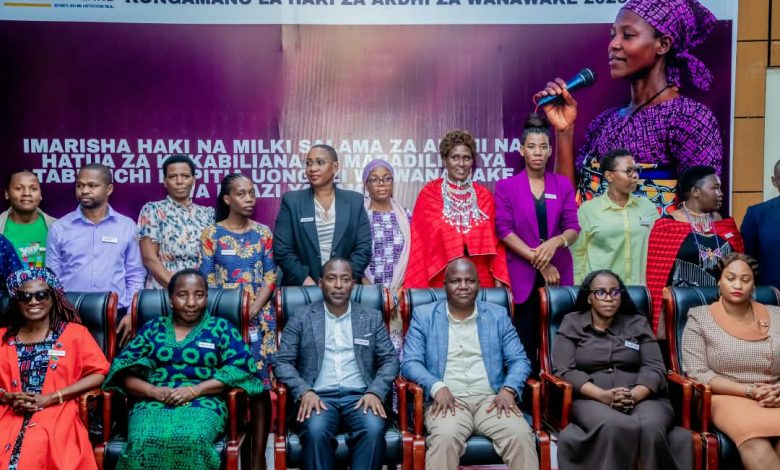
DODOMA: WOMEN’S rights advocates, government officials and beneficiaries of the Stand for Her Land (S4HL) campaign have called for stronger action to secure women’s land rights, saying land ownership remains central to economic empowerment, family security and sustainable development.
The call was made during the 2026 Women’s Land Rights Forum in Dodoma, held under the theme: “Strengthening Secure Land Rights and Ownership and Climate Change Action through Women’s Leadership at Community Level.”
The forum brought together participants from different parts of Tanzania and beyond to discuss progress, persistent challenges and the future of women’s land rights.
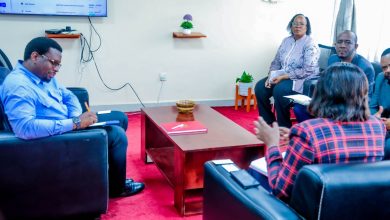
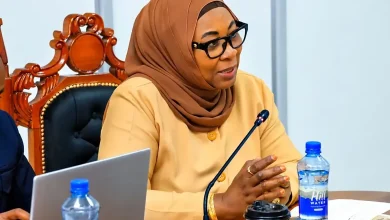
Speaking on behalf of the Minister for Lands, Housing and Human Settlements Development, Dr Leonard Chamuriho, Deputy Minister, Kaspar Mmuya said the government has continued to establish legal and policy frameworks aimed at protecting and promoting women’s rights to acquire, own, use and benefit from land.
He said land was not merely an economic resource but also a foundation for life, development, family security and community wellbeing.
“The theme carries a very important message that land is not only an economic resource, but also the foundation of life, development, family security and the wellbeing of society,” Mr Mmuya said.
He said Tanzania’s legal framework recognises gender equality in land ownership, citing the Land Act and the Village Land Act as key laws that provide women with the right to acquire, own, use and conduct land transactions under conditions equal to those available to men.
The deputy minister said the government would continue working with civil society organisations and other stakeholders to improve policies and laws governing the land sector for the benefit of all Tanzanians.
Mr Mmuya also urged stakeholders to use reliable data in measuring progress in women’s land ownership and identifying areas requiring further intervention.
According to him, women currently account for about 38 percent of land ownership in the country, with growing participation particularly in urban areas.
However, he said more efforts were needed to expand women’s ownership in rural areas, where much of the country’s agricultural and livestock production takes place.
“Women must know where they are, where they want to go and what targets they want to achieve. Without accurate data, it becomes difficult to measure progress and build a strong basis for action,” he said.
He further noted that laws governing local government and land administration provide for women’s representation in decision-making bodies, including village councils and committees involved in land allocation and administration.
The government, he said, recognises the importance of women’s participation in land governance, from community level upwards, as part of efforts to promote inclusive and sustainable development.
The forum comes as Tanzania and other countries face increasing pressure from climate change, with participants emphasising that secure land rights can strengthen women’s resilience and ability to invest in sustainable livelihoods.
The Director of the Tanzania Women Lawyers Association (TAWLA), Ms Tike Mwambipile, said women’s land rights go beyond property ownership, describing land as a matter of dignity, survival and family security.
“We walk on land; it is not just soil. Land is human dignity, land is respect and land is the life of a family,” Ms Mwambipile said.
She said many women spend their lives working on land and contributing to household welfare and national food production, but can still face eviction or loss of land following the death of a spouse or family disputes.
“A woman may wake up early, work the land throughout the day and use her labour to feed her family and the nation. But when a life challenge such as widowhood or a family dispute occurs, she can suddenly be told that she has no right to remain there,” she said.
Ms Mwambipile said such experiences were among the reasons behind the establishment of the Stand for Her Land campaign, which brings together different institutions and stakeholders working to protect women’s land rights.
She said the campaign operates through collaboration among participating organisations, with each institution contributing through its respective mandate towards the shared goal of safeguarding women’s rights to land.
Beneficiaries of the campaign also shared testimonies of how awareness and access to information had helped women challenge discriminatory practices and participate more actively in decision-making.
Ms Mamayana William, a beneficiary from Arusha Region, said women in her Maasai community had historically faced limited opportunities to participate in decision-making and exercise control over property.
She said increased awareness of their rights had helped women become more confident in defending their land rights and pursuing economic empowerment.
“Previously, as a community, we were far behind and women had little say in decision-making. Now we understand our rights, we are not easily deprived of our land and we are becoming economically empowered through property ownership,” she said.
ALSO READ: Tanzanian women urged to partake in STEM Summit
Another beneficiary, Ms Clara Malle from Manyara Region, said her personal experiences had motivated her to stand up for women facing economic abuse and other forms of injustice.
She said education and awareness had contributed to changing attitudes within communities, while women were increasingly being given opportunities to participate in decision-making structures.
The forum underscored the need for continued collaboration between the government, civil society, communities and development partners to address legal, social and cultural barriers that continue to affect women’s access to and ownership of land.
Participants also emphasised that strengthening women’s leadership at community level would be crucial in protecting land rights and improving resilience to climate change.
As Tanzania seeks to advance inclusive development, speakers agreed that secure land ownership for women remains a critical step towards strengthening livelihoods, reducing vulnerability and ensuring that women can fully contribute to economic and social transformation.