Dodoma residents strikes gold in dairy goat business
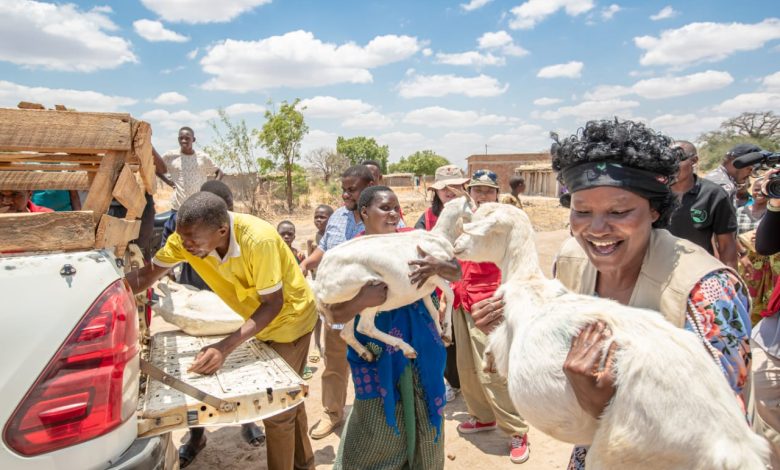
DODOMA: For Christina Kishongaa, a mother of four in Dodoma Region, a dairy goat has become more than a source of milk.
It is helping improve her children’s nutrition while creating new opportunities for her family to increase agricultural production and strengthen household food security.
When Christina first received a dairy goat through Save the Children Tanzania’s Lishe Yangu Maisha Yangu (My Nutrition, My Life) project, she was reluctant to accept it, fearing the cost of keeping the animal would outweigh its benefits.
“I initially refused because I did not understand how I would manage the expenses of caring for the goat. I was also concerned about the costs involved,” she says.
Today, her experience has changed significantly.
Christina says she has incorporated goat milk into her children’s daily meals, including vegetables, helping diversify their diets and improve their nutrition.
“I make sure my children have breakfast, lunch and dinner, and I use the milk in vegetables. The milk is good, and my children have become healthier. I can see improvements in their health every day,” she says.
The family has also benefited from the goat’s manure, which is used in farming, while her husband, Yaldi Madahaa, supports the initiative by helping provide feed for the animals and participating in childcare.
For Yaldi, the intervention has brought additional benefits through improved agricultural productivity.
The father of four says manure from the goats has helped increase his maize harvest from two to five bags on the same quarter-acre plot, while the family has gradually expanded its herd from one goat to seven.
“The goats have helped us in two major ways: milk and manure. The milk is very nutritious, tasty and gives us strength. We drink it, use it in tea and cook vegetables with it,” he says.
He adds that the increased agricultural production has strengthened the family’s ability to provide food, while the growing herd offers opportunities for further economic improvement.
The family’s experience illustrates how an intervention initially introduced to improve child nutrition can also contribute to household livelihoods and encourage greater involvement of both parents in family wellbeing.
Christina and Yaldi are among beneficiaries of the Lishe Yangu Maisha Yangu project, implemented by Save the Children Tanzania with funding from Save the Children South Korea in collaboration with local government authorities in Bahi and Chamwino districts.
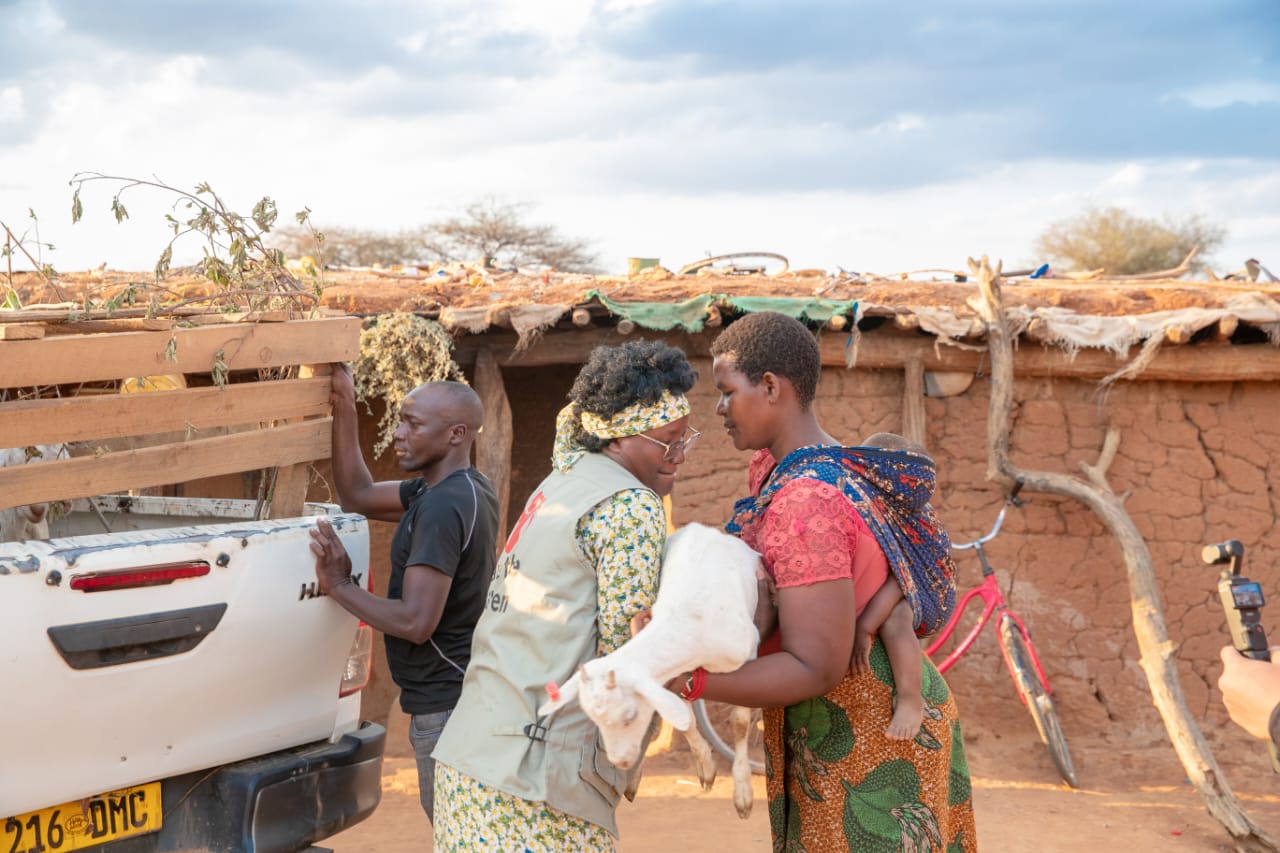
The initiative targets pregnant women, breastfeeding mothers, parents and caregivers, as well as children under five, with a focus on improving nutrition, food security and household economic resilience.
According to Frida Mollel, a nutrition officer with Dodoma Municipal Council and Save the Children representative, the dairy goat intervention is designed to improve children’s health while strengthening the economic capacity of vulnerable households.
The project provides specially selected dairy goats to eligible families, with beneficiaries required to pass on offspring to other households, allowing the intervention to expand beyond its initial recipients.
“These are dairy goats that reproduce quickly. We provide them to vulnerable families with children under five. Once a goat gives birth, the family passes on an offspring to another household to ensure sustainability and continuity,” she says.
Mollel explains that goat milk provides protein and other nutrients that can contribute to improving household diets, particularly for young children.
The project also follows up with beneficiaries to assess children’s health and ensure that milk is being used for its intended nutritional purpose rather than solely for commercial activities.
Changing community perceptions
Mwale Kalahenga, a community health worker supporting the project in Mvumi Mission Ward, Chamwino District, says the initiative initially faced resistance from some community members who questioned its economic value.
Some households considered the cost of constructing recommended goat shelters too high compared with the value of receiving a single animal, while others doubted the benefits of passing on offspring to another family.
However, perceptions gradually changed as beneficiaries began witnessing the goats reproducing and households expanding their herds.
“Initially, community acceptance was poor because people thought the project would bring losses rather than benefits. But when they saw the goats reproducing and families increasing their herds, they began returning to ask questions and showing interest,” Kalahenga says.
She adds that some beneficiaries initially resisted goat milk because they were unfamiliar with its taste, but nutrition education and practical guidance helped improve acceptance.
The project has also encouraged greater involvement of men, who increasingly support goat feeding, shelter construction, veterinary care and childcare.
According to Kalahenga, some beneficiary groups have expanded their activities beyond the initial livestock intervention, exploring opportunities to increase milk production and household income.
Investing in the first 1,000 days
The intervention forms part of a broader effort to address malnutrition during the first 1,000 days of a child’s life, a critical period for growth and development.
The project combines livestock support with nutrition education, improved agricultural practices, community health services and stronger local nutrition coordination.
Implemented across 58 wards and 166 villages in Bahi and Chamwino districts, it seeks to improve access to diverse and nutritious foods while strengthening household resilience.
ALSO READ: Government city set to boost Dodoma’s economic growth
For families such as Christina’s and Yaldi’s, the impact is increasingly visible in everyday life, from the milk served to children to improved harvests and greater participation of both parents in household nutrition.
Their experiences illustrate how integrating nutrition interventions with livelihood support can help vulnerable families move towards more sustainable food security and improved child wellbeing.