

Tanzania moves to eradicate the root causes of NTDs
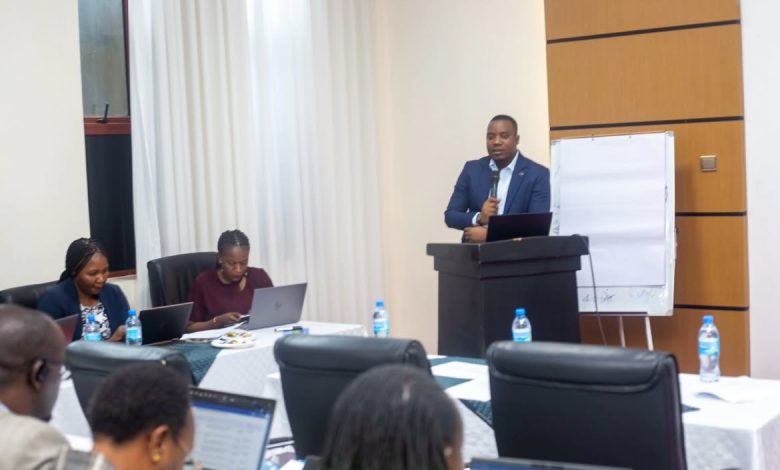
ARUSHA: THE Director of Health, Social Welfare and Nutrition Services at the President’s Office – Regional Administration and Local Government (PO-RALG), Dr Rashid Mfaume, has urged health professionals to undertake in-depth analysis of the causes and community conditions contributing to neglected tropical diseases (NTDs), rather than relying on a single intervention to address them.
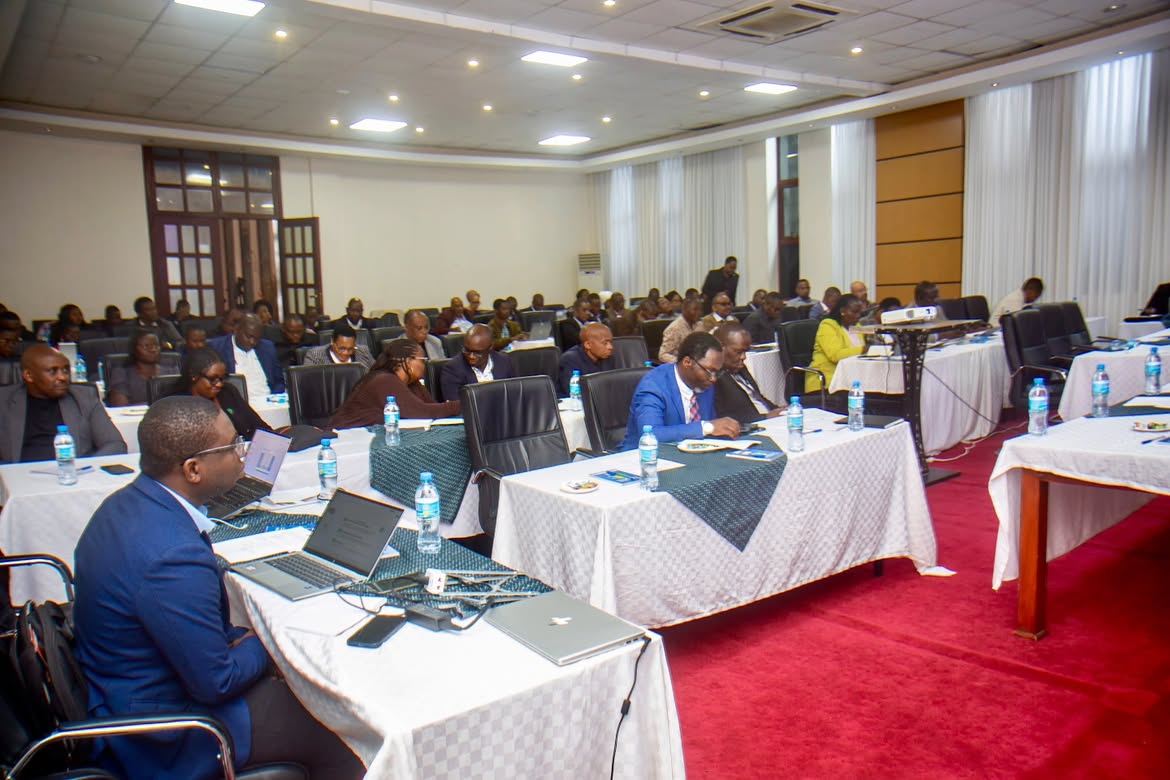
Dr Mfaume made the remarks in Arusha during a capacity-building session for Regional and District Medical Officers and NTD coordinators on the use of scorecards and the assessment of NTDs.
He said health professionals need to examine the relationship between disease-causing factors, people and their surrounding environment. He identified access to clean water, water and sanitation services, hygiene, community awareness, beliefs and people’s behaviours as some of the factors that can contribute to the spread and persistence of NTDs.
Dr Mfaume also stressed the importance of using accurate data to guide decision-making and the planning of health interventions.
He said the purpose of collecting data should be to provide an accurate picture of the disease situation and identify areas facing challenges, rather than seeking to achieve higher scores on the scorecard.
ALSO READ: Relief for Africa after UN it recognizes NTDs as a human rights issue
“Where the scorecard shows that a council or region has performed poorly, it is important to analyse the reasons behind those results and develop concrete plans to address them, rather than using the scores for competition or simply to create a favourable image,” Dr Mfaume said.
Dr Mfaume further urged leaders to ensure that NTD interventions are fully integrated into council plans and budgets, as well as into routine health service management activities.
He highlighted the importance of strengthening supportive supervision, quality assessments and professional training to improve the implementation of NTD interventions and enhance the quality of services provided to communities.
“Available resources should be used collectively to increase efficiency. For example, NTD supervision activities should be integrated with other programmes instead of each programme conducting its activities independently,” Dr Mfaume said.



I appreciate the useful insights presented in this article. The information is clear and easy to follow. Thank you for sharing such helpful content.
I appreciate the helpful information presented in this post. The content is clear and easy to follow. Thank you for producing quality articles.