

Tanzania invites Turkish investors to tap into its rich investment opportunities
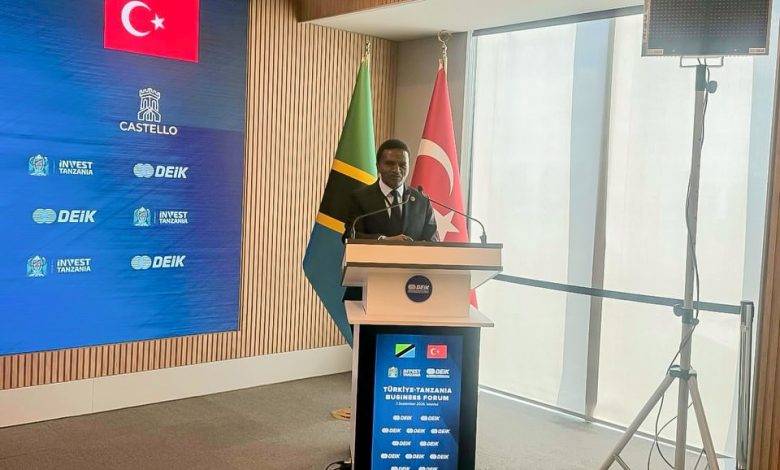
ISTANBUL: TANZANIA has invited Turkish investors to tap into its vast investment opportunities as the country begins implementing Vision 2050, which targets the private sector to contribute 70 per cent of the nation’s Gross Domestic Product (GDP).
Speaking at the Tanzania-Turkey Business Forum in Turkey today, September 3, 2026, the Permanent Secretary in the President’s Office for Investment, Dr Fred Msemwa, said Tanzania was ready to welcome investors seeking opportunities across strategic sectors of the economy.
Addressing various participants at the forum, the PS stated that Tanzania’s geographical position and access to the Indian Ocean give it a strategic advantage, noting that several East African countries rely on its ports and maritime routes for various economic activities.
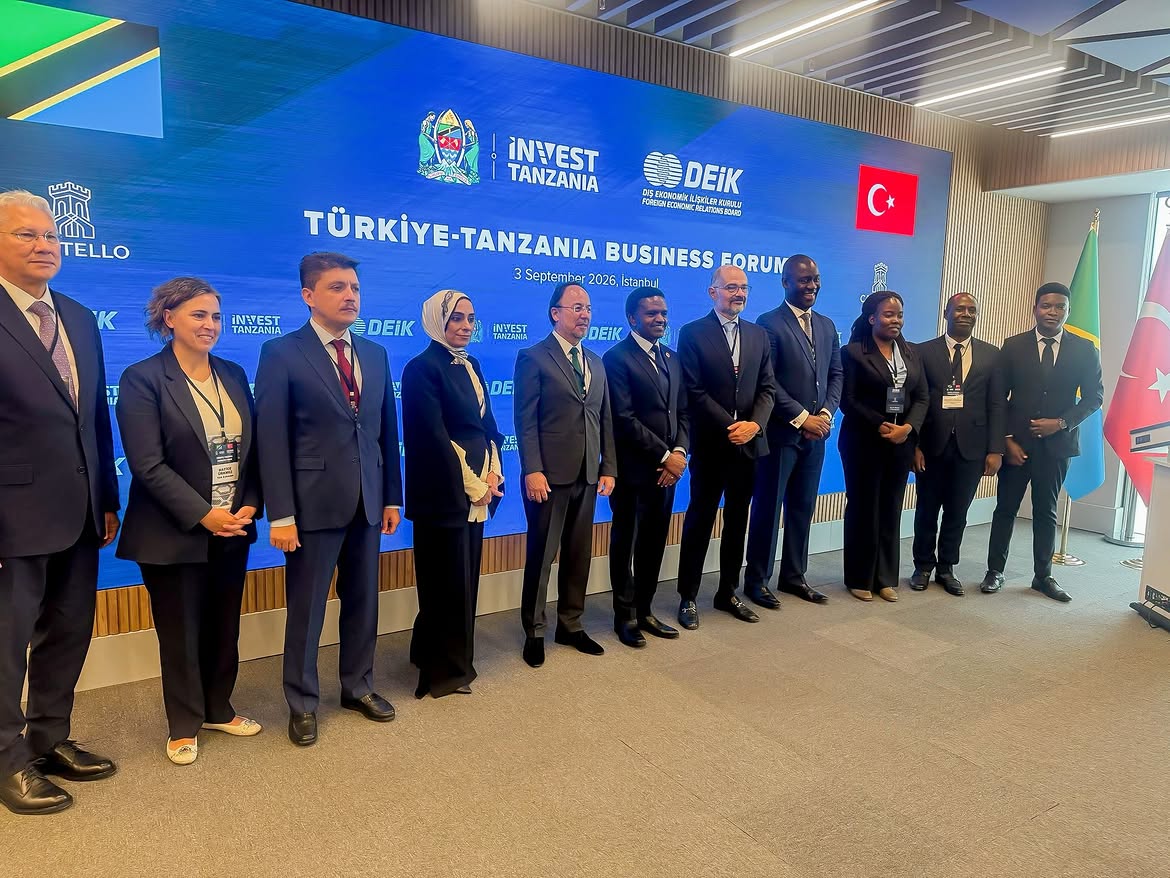
Additionally, Dr Msemwa pointed to the mining sector, saying Tanzania was endowed with abundant mineral resources that still offered significant opportunities for investment and value addition while identifying tourism as another area with considerable investment potential, citing the country’s wide range of tourist attractions and opportunities to further develop the sector.
ALSO READ: Tanzania tours Indonesia to cement ties in infrastructure development, service delivery
“In infrastructure, Tanzania is continuing to invest in modern transport systems, including the Standard Gauge Railway (SGR), which has improved transportation efficiency and opened up additional opportunities for trade and investment,” he said.
Moreover, he said the agricultural sector also offered opportunities for investors in modern farming, increasing productivity and adding value to agricultural produce, including through agro-processing industries.
Dr Msemwa further said Tanzania has established a conducive investment environment through laws and systems designed to facilitate and attract investors and called on Turkish investors and businesspeople to explore the opportunities available in Tanzania, saying the country was positioning itself as a favourable destination for investment as it moves to implement Vision 2050.


Episode 1 — A Nation Starts From Zero
Period: 1961–1966
Tanzania gains independence in 1961 with a very small industrial sector. Manufacturing accounted for only about 3.6% of GDP in 1961. Most industries were involved in processing agricultural products and producing basic consumer goods. UUNCTAD
Story: A new nation asks: How can we build our own industries and stop depending on imported goods?
Ending: Early industrial growth creates optimism.
Episode 2 — The Industrial Rise
Period: 1961–1967
Government encourages import-substitution industrialization (ISI)—producing locally what Tanzania previously imported.
Factories begin expanding, supported by tariffs and government incentives. Manufacturing’s share of GDP rose from 3.6% in 1961 to 8.1% in 1966. UUNCTAD
Story: Tanzania begins to believe it can manufacture its own future.
Cliffhanger: Then comes 1967.
Episode 3 — The Arusha Revolution
Period: 1967
The Arusha Declaration changes the direction of Tanzania’s economy. Julius Nyerere’s government commits to socialism and self-reliance, with the state taking a much larger role in production.
Banks, major industries and other enterprises are nationalized. OOUP Academic+1
Story: The question becomes: Can the government build an industrial economy without depending on foreign capital?
Episode 4 — Factories for Self-Reliance
Period: 1967–1975
The state expands manufacturing through public enterprises, five-year development plans and import restrictions. Tanzania attempts to develop industries producing consumer goods, intermediate goods and eventually heavier industrial products. IIMF eLibrary
Organizations such as SIDO are established to support industrial development.
Rise: More factories and greater national control.
Hidden problem: Many industries become heavily dependent on government support
Episode 7 — The IMF and the Market Revolution
Period: 1986–1995
Tanzania begins moving away from centralized economic management toward market-oriented reforms.
Trade, prices and foreign exchange are liberalized, and state enterprises begin to be restructured or privatized. SScienceOpen
Story: The government changes the question from:
“How can the state build industry?”
to:
“How can the private sector build industry?
Episode 8 — Private Sector Takes the Stage
Period: 1996–2015
Tanzania launches the Sustainable Industrial Development Policy (SIDP) 1996–2020. The private sector becomes increasingly important in industrial investment, while government focuses more on creating an enabling environment. VViwanda+1
Rise: New private investment, manufacturing and entrepreneurship.
But: Tanzania still faces challenges involving infrastructure, technology, finance, productivity and value addition
Episode 9 — Industrialization Returns
Period: 2015 onward
Industrialization once again becomes a major national development priority. The emphasis shifts toward industrialization for structural transformation and human development, including manufacturing, infrastructure, value addition and employment. UUNCTAD
Story: Tanzania attempts a second major industrial take-off—learning from the successes and failures of the past
Episode 10 — Rise, Fall… and Rise Again?
Period: Present/Future
The final episode connects the entire story.
The rise:
Import substitutionExpansion of manufacturingState investmentSelf-relianceNew infrastructure
The fall: