CHRAGG urges respect for court decisions, calls for dialogue over Lissu case
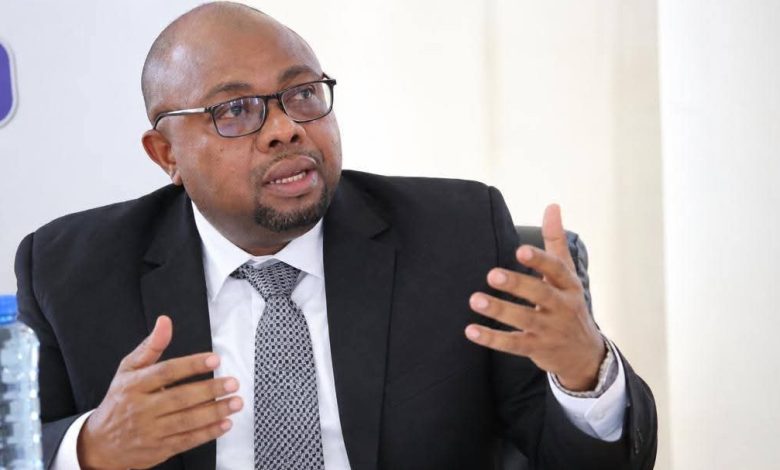
DAR ES SALAAM: THE Commission for Human Rights and Good Governance (CHRAGG) has called for respect for judicial independence and constructive dialogue following the conviction and sentencing of CHADEMA national chairman Tundu Lissu, while reaffirming the importance of protecting fundamental human rights in the administration of justice.
In a position statement issued in Dodoma on November 13, 2026, the Commission said issues arising from Lissu’s treason proceedings should be addressed within the country’s constitutional framework, stressing that disagreements over judicial decisions should be pursued through lawful and democratic channels.
The High Court in Dar es Salaam acquitted Lissu of treason on November 6 but convicted him of incitement and sentenced him to four years in prison.
CHRAGG said its assessment of the proceedings focused on human rights and good governance implications rather than the merits of the court’s judgment, emphasising that it had no constitutional authority to overturn, review or substitute its findings for those of the Judiciary.
The Commission noted that its examination of the available records showed that the principal procedural stages, including Lissu’s arrest, court presentation, committal proceedings and trial, were conducted within the applicable criminal procedural framework.
Lissu was arrested on April 9, 2025, presented before the Kisutu Resident Magistrates’ Court the following day and subsequently tried before the High Court.
The prosecution closed its case on August 17, 2026, after calling 17 of its 30 listed witnesses. Four days later, the court ruled that Lissu had a case to answer and invited him to present his defence, which concluded on September 18.
ALSO READ: High Court of Tanzania convicts Tundu Lissu of incitement
However, CHRAGG emphasised that procedural compliance alone was not sufficient to establish that all human rights obligations had been fulfilled. It highlighted the importance of access to legal representation, adequate time and facilities to prepare a defence, disclosure of relevant evidence and the opportunity to examine witnesses.
On Lissu’s treatment in custody, the Commission said an own-initiative inquiry conducted on June 27, 2025, established that he enjoyed freedom of worship, privacy, communication with his legal team and opportunities for physical exercise during the period examined.
CHRAGG also reported finding no documented evidence of discriminatory treatment or procedural opacity in the stages of the proceedings it monitored.
It nevertheless stressed that public authorities must continuously uphold human dignity, personal liberty and protection against arbitrary detention.
The Commission further underlined that freedom of expression, association and political participation are constitutionally protected rights, adding that peaceful advocacy for constitutional and electoral reforms should be distinguished from conduct that constitutes a criminal offence.
On judicial independence, CHRAGG said neither it nor other institutions should interfere with matters reserved for the courts. It noted that parties dissatisfied with judicial decisions should use available legal remedies, including appeals.
The Commission called on government institutions, political parties, civil society, religious organisations, the media and the public to promote mutual respect, peaceful engagement and national cohesion.
It said the protection of human rights, judicial independence, the rule of law and institutional accountability were complementary pillars of constitutional governance.