Tanzania commends model livestock investment in Arusha
MONDULI: THE Tanzanian government has reaffirmed its commitment to transforming Tanzania’s livestock sector through increased disease control measures, livestock identification, pastureland development and improved livestock breeds, as efforts intensify to boost productivity and raise incomes among pastoral communities.
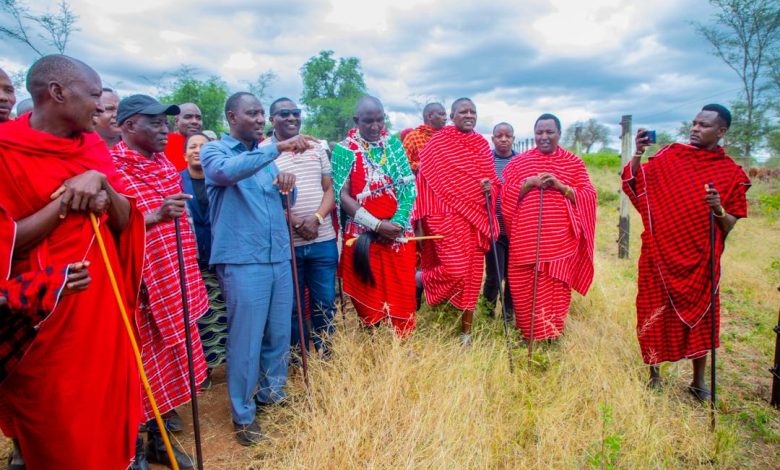
Minister for Livestock and Fisheries, Ambassador Dr Bashiru Kakurwa, made the remarks during a visit to Lemoti Ward in Monduli District, Arusha Region, where he toured a large-scale livestock investment owned by pastoralist and entrepreneur Isaya Ole Mpekure.
The investment, which includes more than 2,000 cattle, modern livestock equipment and animal feed storage facilities, has emerged as a model ranch in the area, helping neighbouring pastoralists improve the quality of their herds through access to improved breeding stock and modern livestock management practices.
Dr Bashiru said the government recognises the critical role of private investment in unlocking the vast potential of Tanzania’s livestock industry and creating opportunities for pastoral communities.
He said ongoing government initiatives focus on expanding vaccination services, strengthening livestock identification and traceability systems, protecting grazing areas and investing in livestock infrastructure to support sustainable sector growth.
He noted that adequate funding has already been secured for the second phase of the National Livestock Vaccination and Identification Campaign for the 2026/27 financial year, a programme expected to strengthen disease surveillance and improve livestock health nationwide.
He also underscored the importance of proper land-use planning, particularly in areas designated for livestock activities, saying effective management of grazing resources remains essential for increasing productivity and reducing conflicts over land.
The tour formed part of the minister’s wider inspection of livestock development activities in Monduli District and an assessment of private-sector investment in the industry. He also attended traditional Maasai cultural celebrations held in Lemoti Village.
Monduli District Commissioner, Gloriana Kimath said the district administration is working to address challenges facing pastoralists by strengthening extension services and ensuring livestock officers regularly visit communities to provide technical support and guidance on modern livestock husbandry practices.
She said improved access to extension services would help livestock keepers increase productivity and maximise returns from their investments.
Lemoti Ward is home to 7,474 residents, with livestock keeping accounting for about 80 percent of economic activities. Agriculture contributes 15 percent, while trade accounts for the remaining five percent.
The ward has approximately 12,000 cattle, of which 5,000 have been vaccinated against contagious bovine pleuropneumonia. It also has 25,000 goats and sheep, with 2,500 vaccinated, alongside 1,200 poultry and 1,000 donkeys.
ALSO READ: SADC countries meet to assess food security in livestock, agriculture, and aquaculture
Despite its strong livestock potential, local leaders say the ward continues to face a shortage of grazing land, a challenge linked to disputes over land occupied by an individual claiming ownership of Farm No. 24. Residents say resolving the issue will be critical to securing the future of livestock production in the area.