NEMC strengthens international partnerships at COP31
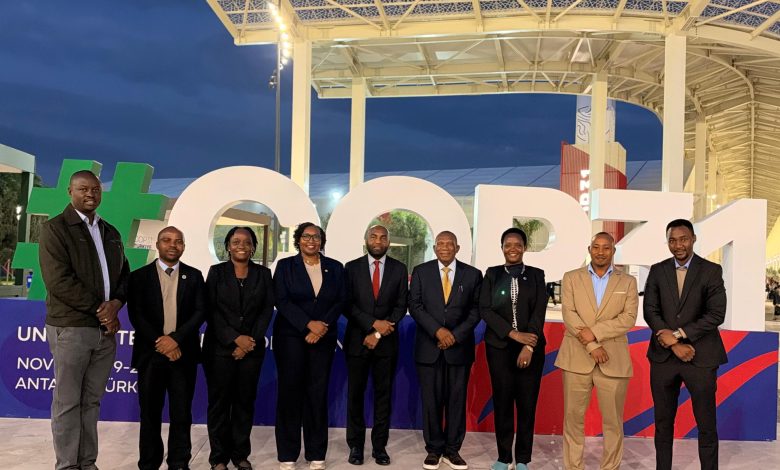
ANTALYA, Türkiye: The National Environment Management Council (NEMC) has stepped up efforts to strengthen international partnerships to mobilise climate financing, expertise and technology to support Tanzania’s environmental conservation and climate resilience initiatives.
The efforts were made through a series of bilateral meetings with international development partners held on the sidelines of the 31st United Nations Climate Change Conference (COP31) in Antalya, Türkiye, in November 2026.
Speaking during the meetings, NEMC Director General Dr Immaculate Sware Semesi said access to financial resources, technical expertise and modern technologies was essential in strengthening the country’s capacity to protect the environment and address the impacts of climate change.
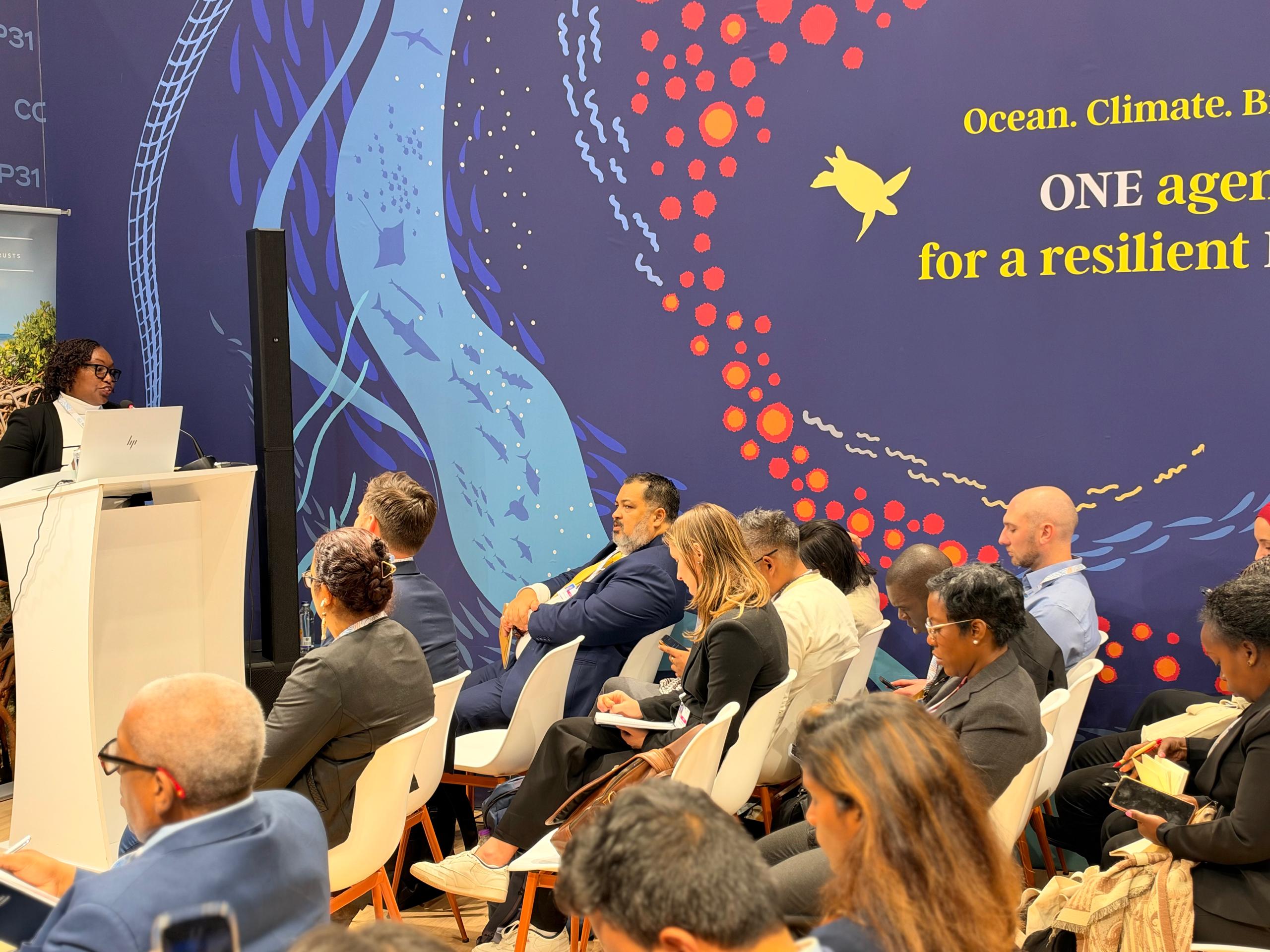
She said NEMC was committed to ensuring that such opportunities translated into tangible interventions that support environmental protection and climate resilience across the country.
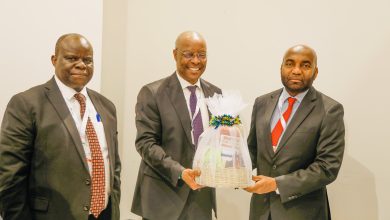
During the conference, NEMC held discussions with key climate financing institutions, including the Adaptation Fund, the African Development Bank (AfDB) and the Green Climate Fund (GCF).
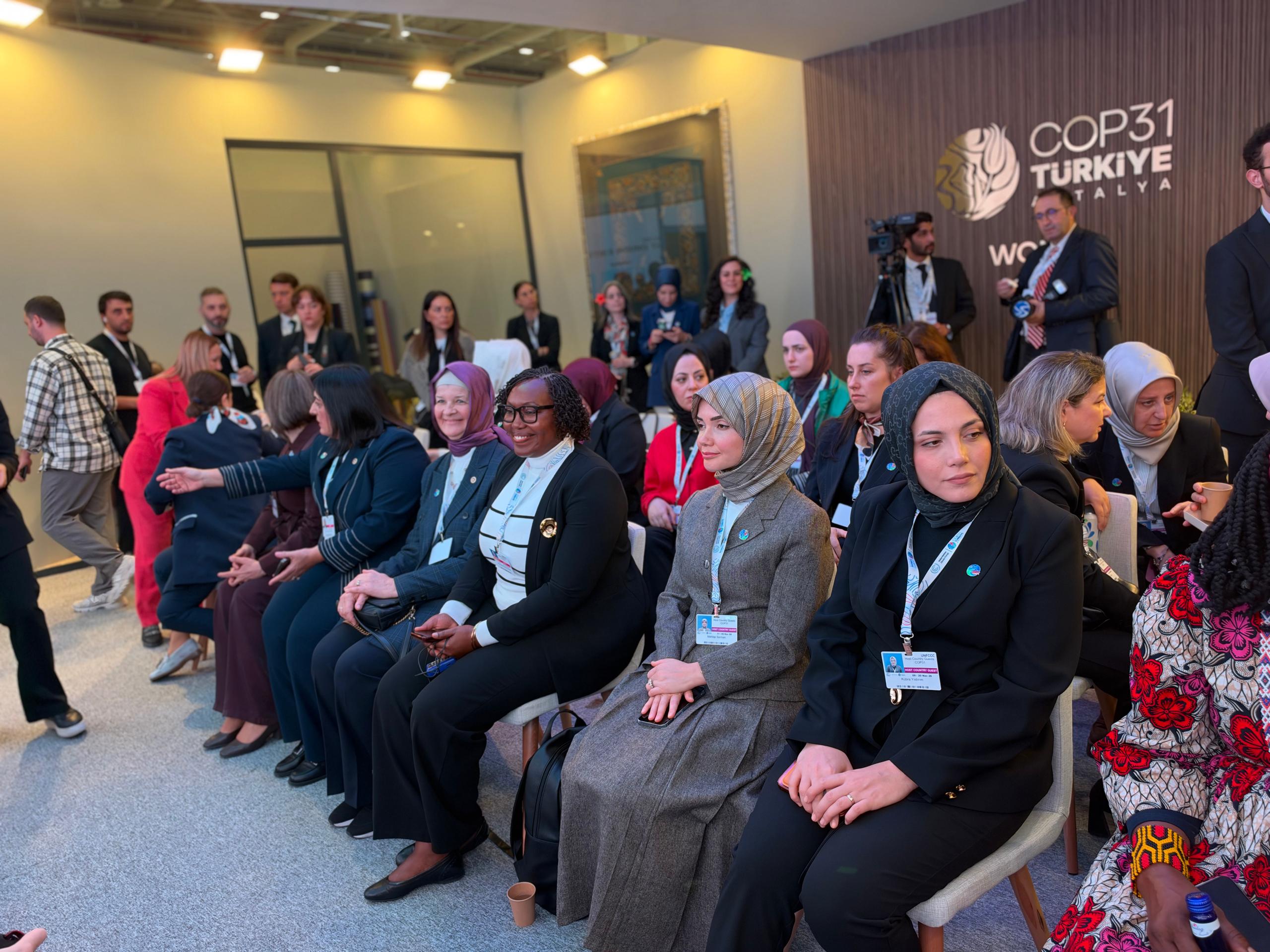
In its engagement with the Adaptation Fund, the Council welcomed the renewal of its accreditation for another five years and the approval of projects focusing on the restoration of Lake Babati and the SWAHAT Learning and Knowledge Exchange initiative.
NEMC also called for expedited reviews of project proposals requiring approximately 30 million US dollars in financing, targeting the water sector, ecosystems and climate-resilient economic activities.
In a separate meeting with AfDB, the Council followed up on preparations for a coastal resilience project whose concept note was approved in June 2024.
The Bank expressed its commitment to supporting the initiative, which seeks to protect communities and ecosystems along the coast of Mainland Tanzania and Zanzibar against the impacts of climate change.
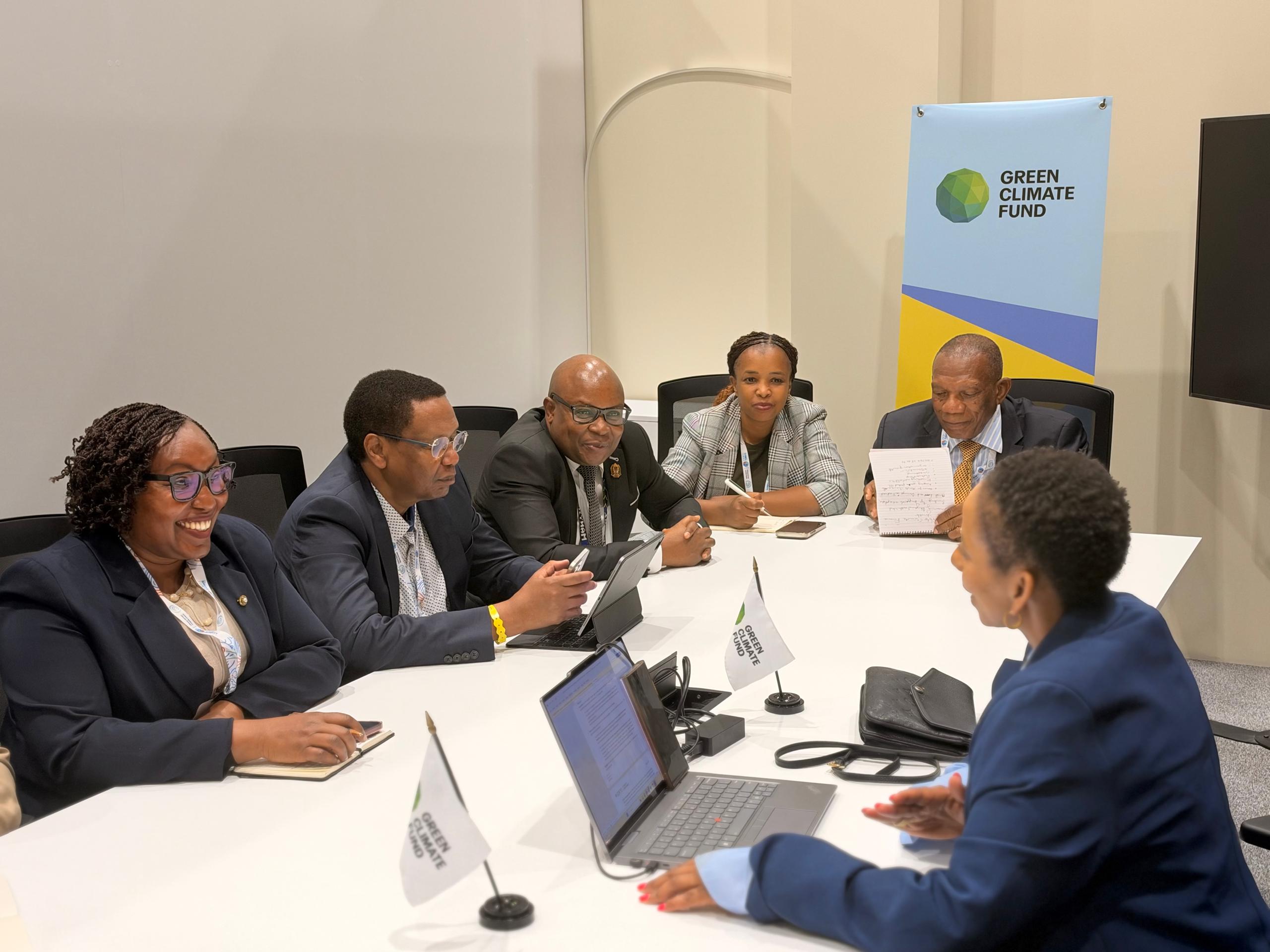
Discussions with the Green Climate Fund focused on strengthening cooperation following NEMC’s accreditation, particularly in developing project proposals and building institutional capacity to facilitate access to climate finance.
On climate-induced mobility, NEMC and the United Nations Office for Project Services (UNOPS), through the Global Centre for Climate Mobility (GCCM), reported progress towards finalising an agreement to address challenges facing people forced to relocate due to climate change impacts.
During the discussions, NEMC reaffirmed its readiness to ensure that projects implemented under the partnership are professionally managed.
The Council also held discussions with iFOREST on clean transport, renewable energy and measures to address rising urban temperatures.
The two institutions agreed to begin with research in areas of Dar es Salaam most affected by rising temperatures to identify hotspots and recommend appropriate interventions.
The findings are expected to inform better land-use planning, the development of green infrastructure and the adoption of cooling technologies that promote public health and well-being.
In another engagement, NEMC met with the Zero Waste Forum to explore ways of advancing the Council’s waste reduction programme, focusing on reducing waste generation, reusing products and recycling waste into valuable resources.
The engagements, which were undertaken alongside the Minister of State in the Vice-President’s Office (Union and Environment), Hamad Masauni, reflect Tanzania’s efforts to strengthen international cooperation and align available financial, technological and technical resources with national environmental priorities.
The partnerships are expected to enhance the country’s capacity to address climate change, conserve ecosystems, protect communities and promote sustainable development for the benefit of Tanzanians