Tanzania cherishes its diaspora for their role in advancing socio-economic influence
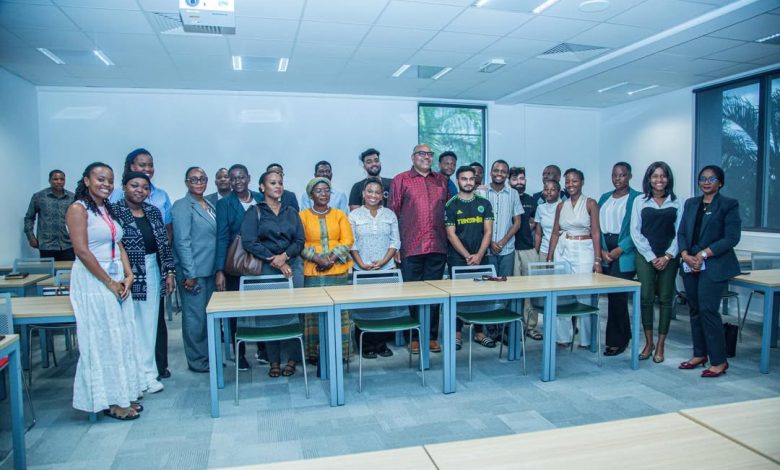
PORT LOUIS: THE Tanzanian government said it continues to value its students studying abroad as a strategic national asset, particularly in advancing socio-economic influence through skills acquisition and global networks.
This was revealed when the Minister for Foreign Affairs and East African Cooperation, Ambassador Kombo, held discussions with Tanzanian students studying in Mauritius at Middlesex University Mauritius, in a meeting aimed at strengthening relations between the government and the student diaspora.
The meeting as well sought to reinforce their responsibility in representing the nation abroad.
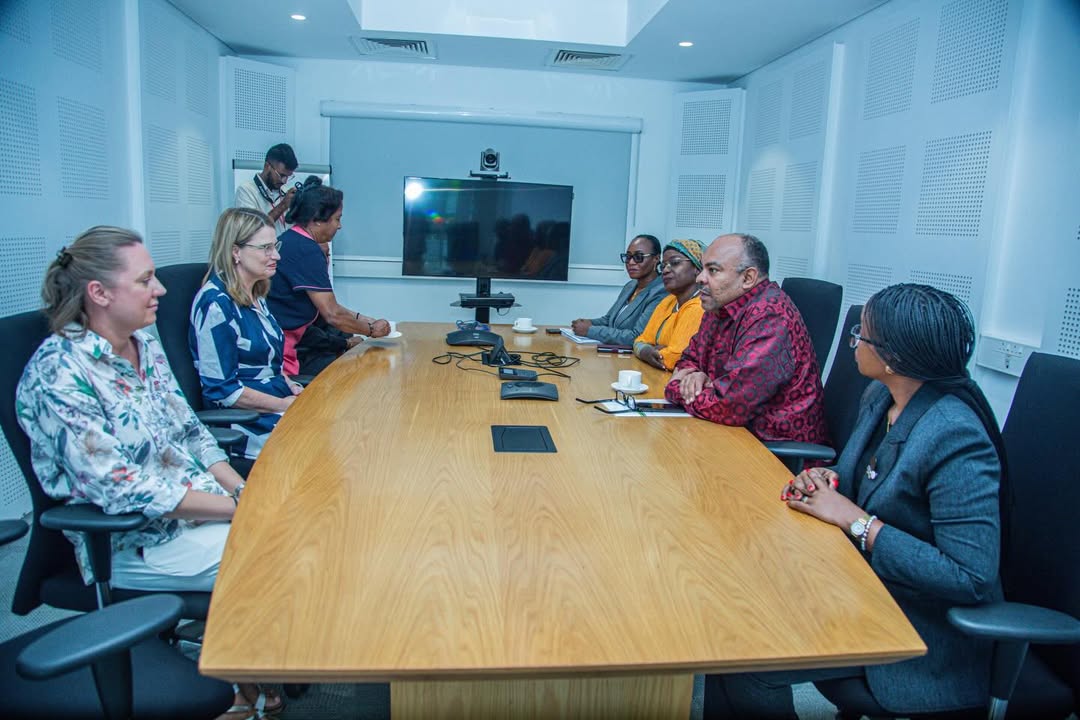
During the engagement, which took place alongside his official working visit, Minister Kombo was accompanied by Tanzania’s diplomatic representative in Mauritius (resident in Harare, Zimbabwe). He emphasised the concept of “youth diplomacy” as a strategic tool for enhancing Tanzania’s international image, urging students to uphold discipline, strong moral values, and conduct that reflects respect for the nation in both academic and daily life settings.
ALSO READ: Tanzania plans to send 130 doctors abroad
According to his remarks, the government continues to view students studying abroad as a strategic national asset, particularly in advancing socio-economic influence through skills acquisition and global networks. He further encouraged them to promote Tanzania positively and avoid actions that could damage the country’s reputation or undermine their families’ trust.
Minister Kombo stressed, “You are ambassadors of your nation; therefore, represent your country well and do not disappoint your parents. I have spoken with the University Principal, who has assured me that Tanzanian students are performing well and have no disciplinary issues.” This statement reflects a policy-oriented perspective that links academic achievement with behavioural accountability as a measure of human capital quality in the diaspora.
In the context of information governance and digital influence, he urged students to use social media constructively—as a source of reliable information and a gateway to government opportunities including employment, scholarships, and professional training programs. This approach aligns with emerging 2026 governance trends where governments increasingly leverage digital systems to engage diaspora communities in development initiatives.
He also cautioned against social risks facing young people abroad, particularly drug abuse and other harmful behaviours that could compromise their academic and economic future. He emphasised that moral stability remains a foundational pillar for future leadership and the development of professionals capable of contributing sustainably to national progress.
The visit was also linked to Minister Kombo’s participation in the 9th Indian Ocean Conference held from 10–12 April in Port Louis, Mauritius. The conference brought together foreign ministers from approximately 30 countries within the Indian Ocean region to deliberate on economic cooperation, maritime security, and regional development opportunities—key pillars of maritime diplomacy and the blue economy in an increasingly competitive global environment.