

Tanzania bolsters healthcare services for people with rare diseases in line with Universal Health coverage

DODOMA: THE Tanzanian government has continued to strengthen healthcare services for people living with rare diseases by improving disease diagnosis, access to medicines and treatment, as well as enhancing the capacity of health professionals to ensure timely services in line with the principles of Universal Health Coverage.
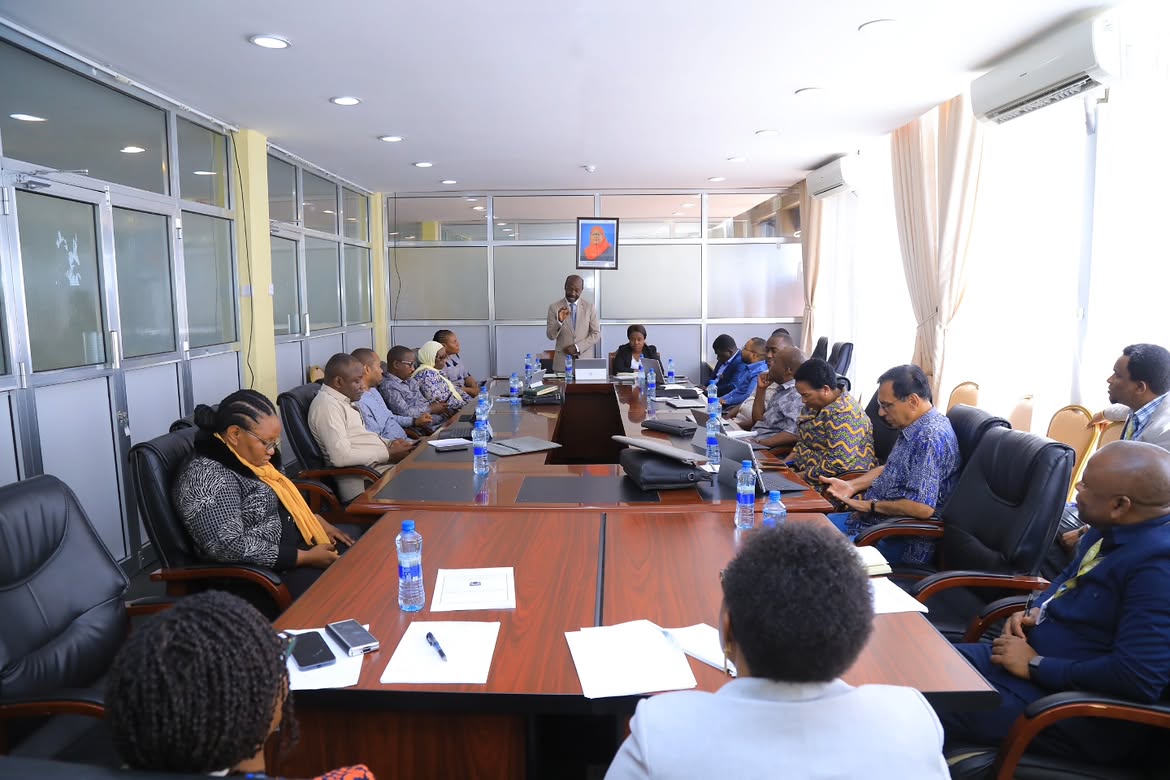
Deputy Minister for Health Dr Florence Samizi, representing Minister for Health Mohamed Mchengerwa, said this today, August 13, 2026, while presenting a statement on the impact of rare diseases before the Parliamentary Standing Committee on Health and HIV/AIDS at the Parliament premises in Dodoma.
Dr Samizi commended and thanked President Samia Suluhu Hassan for spearheading efforts to address rare diseases by allocating funds for diagnosis, screening and the training of specialist and sub-specialist doctors to help expand access to specialised services at lower levels of the health system.
“According to the World Health Organisation (WHO), a rare disease is a health condition that affects fewer than one in 2,000 people, while globally there are more than 7,000 rare diseases affecting more than 300 million people,” Dr Samizi said.
She said in Tanzania, rare diseases are estimated to affect between one million and three million people, including sickle cell disease, haemophilia, certain immune system disorders and diseases affecting the nervous and muscular systems.
ALSO READ: Partnership strengthens access to Tanzania’s child specialised healthcare
“Tanzania is estimated to have approximately 14,000 children born with sickle cell disease every year, while between 15 and 20 per cent of Tanzanians carry the genes responsible for the disease. This highlights the importance of continuing to strengthen services for people affected by the condition,” Dr Samizi said.
She further said the government had improved health information systems, including DHIS2 and GhoTHOMIS, to strengthen the collection and monitoring of patient data.
The government is also encouraging research into rare diseases while expanding rehabilitation services, palliative care and psychological support for affected patients and their families.
Dr Samizi said rare diseases can have significant health, social and economic consequences due to delayed diagnosis, high treatment costs and shortages of specialised health professionals.
She said continued investment in early diagnosis, specialised treatment, health information systems and the training of healthcare professionals would be critical to ensuring people living with rare diseases receive appropriate care in a timely manner.

Hi there I am so delighted I found your site, I really found you by error, while I was researching on Aol
for something else, Anyways I am here now and would just like
to say many thanks for a tremendous post and a all round exciting blog (I also love the theme/design),
I don’t have time to read through Fix It Physical Therapy contact all at the
moment but I have bookmarked it and also added
your RSS feeds, so when I have time I will be back to read a great
deal more, Please do keep up the great jo.
Howdy, i read your blog occasionally and i own a similar one and i was just wondering if you get a lot of spam responses?
If so how do you protect against it, any plugin or anything you can suggest?
I get so much lately it’s driving me insane so any help is very much appreciated.
Stop by my web site: work-related injury rehabilitation
Fix It Physical Therapy‘s going to be ending of mine day, but before finish I am reading this impressive piece of writing to increase my know-how.
Terrific article! That is the type of information that should
be shared around the internet. Shame on Google for no longer positioning this
post higher! Come on over and talk over with my web site .
Thanks =)
Here is my webpage; Fix It therapy near me
excellent issues altogether, you just won a emblem new reader.
What may you suggest about your put up that you just made some days in the past?
Any certain?
my site: Fix It Physical Therapy Davie
I’m not that much of a online reader to be honest but your blogs really nice,
keep Fix It Physical Therapy professionals up!
I’ll go ahead and bookmark your website to come back down the road.
Many thanks
Hi there, just became alert to your blog through Google, and found that it’s really informative. I am going to watch out for brussels. I’ll be grateful if you continue this in future. Many people will be benefited from your writing. Cheers!
Howdy! This is kind of off topic but I need some advice from an established blog. Is it hard to set up your own blog? I’m not very techincal but I can figure things out pretty quick. I’m thinking about making my own but I’m not sure where to start. Do you have any ideas or suggestions? With thanks
Good site you have here.. It’s hard to find excellent writing like yours these days. I truly appreciate people like you! Take care!!
You really make it seem so easy with your presentation but I find this topic to be really something which I think I would never understand. It seems too complex and extremely broad for me. I am looking forward for your next post, I’ll try to get the hang of it!
I like the valuable information you provide in your articles. I’ll bookmark your weblog and check again here frequently. I’m quite certain I’ll learn many new stuff right here! Best of luck for the next!
Hello, everything is going perfectly here and ofcourse every one is sharing information, that’s actually good, keep up writing.
Greetings! I know this is kinda off topic but I’d figured I’d ask.
Would you be interested in exchanging links or maybe guest writing a blog post or vice-versa?
My blog discusses a lot of the same topics as yours and I think
we could greatly benefit from each other. If you might be interested feel free to shoot me an e-mail.
I look forward to hearing from you! Terrific blog by the way!
These are truly enormous ideas in concerning blogging.
You have touched some nice things here. Any way keep up wrinting.
Hi, i read your blog occasionally and i own a similar one and i was
just wondering if you get a lot of spam responses? If so how do you stop it, any plugin or anything
you can advise? I get so much lately it’s driving me
crazy so any help is very much appreciated.
Не втрачайте можливості отримати ЕректоБуст зі знижкою 40% для нових замовників.
Доставка здійснюється по всій території України за 1-3
дні. еректобуст відгуки
Appreciate the details. Also useful: extra tips — https://demo-links.info/4578 [TKntV7qag4Wel5]
Екстракт журавлини, що міститься в
Уріноделфі, перешкоджає прикріпленню бактерій до поверхні сечового міхура.
Уріноделф відгуки.
Kesinlikle aynı düşünüyorum. Bu konuda daha detaylı bilgi sunarsanız sevinirim.
my web-site :: Asia Virtual Solutions başarı hikayeleri
Voy a probar eso pronto.
Visit my website – Asia Virtual Solutions
มีข้อดีหลายอย่างในบทความนี้.
my homepage … AVS
Their web site is spick-and-span (not littered) and very easy to maneuver.
Review my webpage tao clean sonic toothbrush review, (https://sites.google.com/view/tao-clean-d06d8a96/tao-clean-vs-traditional-cleaning-methods)
Great read. I found related info at https://sample-offers.org/3496 (full review). [TKWjV3F7bDRvup]
They needed us to video tape executing 7 actions including connecting
in, charging and transforming the item one.
my web-site – tao clean sonic toothbrush review
You know that “hmm, enthusiastic” hum when a brush
brushes without brush?
Take a look at my page: tao clean sonic toothbrush review – https://sites.google.com/view/tao-clean-review-4d3e3276/comprehensive-tao-clean-review-and-user-experiences,
ลองดูนะ
my blog post … ระบบฝากถอนเกม
เคยได้ยินเกี่ยวกับนี้มาก่อนเพราะยังไม่เข้าใจดี
Feel free to visit my homepage – gamelavaa เล่นฟรี
เป็นยอดครับ
My web site :: เกมออนไลน์สนุก
Whether you’re trying to prevent a recurrence or ready for medical-grade
treatment, our team in Chicago, IL is here to help you achieve clear, healthy nails
again.
my web blog: does trycure natural toenail fungus treatment work (https://docs.google.com)
The Good Style product has excellent value for money.
Here is my page :: Halloween Window Projector Hologram for Car (docs.google.com)
If you see any wrong or incomplete data, please contact
us.
My site … tracfone won’t work – https://docs.Google.com/document/d/16q_N8q04qfYeVDykuHEciuZ7TzNv8oU1UU3q110E15g/edit?usp=sharing –