Tanzania advised to invest more in researches that address the country’s health challenges
BAGAMOYO: THE Minister for Education, Science and Technology, Professor Adolf Mkenda, has called on Tanzania to invest more in scientific research and strengthen local capacity to discover, develop and manufacture medicines that address the country’s health challenges.
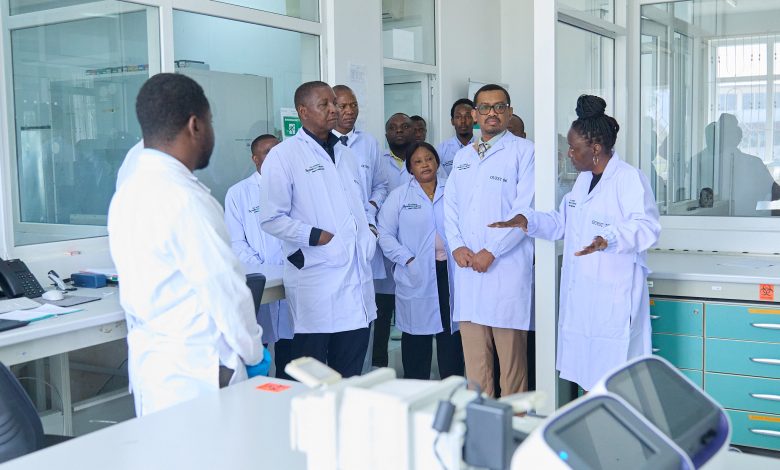
Prof Mkenda made the remarks on July 8, 2026, during a visit to the Ifakara Health Institute (IHI) in Bagamoyo, where he toured research laboratories, clinical trial facilities and innovation projects being undertaken by the institute’s scientists.
He said Tanzania has sufficient human resources, scientific expertise and natural resources, but needs greater investment in research, modern equipment and an enabling environment for scientists to conduct high-quality research.
“We are not doing this to make money. We are doing it to improve the health of Tanzanians, and the financial benefits will come later.”
The minister said medicines developed through local research should undergo all the necessary scientific stages, including pre-clinical trials conducted in Tanzania before advancing to human clinical trials, to ensure they are safe and effective.
He added that once the medicines have been proven safe, the government and relevant institutions should secure intellectual property rights for their production instead of relying on technologies developed abroad.
Prof Mkenda also called on the Ministry of Education, Science and Technology, the Ministry of Health, institutions dealing with traditional medicine, universities and research organisations to work together in conducting scientific studies on medicinal plants to establish their effectiveness and support the development of locally manufactured medicines.
He said Tanzania is blessed with many capable scientists who can discover new medicines, but they need adequate funding, modern infrastructure and a supportive working environment to translate their knowledge into practical solutions.
The minister further stressed the need to modernise research laboratories by acquiring advanced scientific equipment, including genetic analysis machines, which remain limited in the country.
Referring to malaria vaccine research, he said the government should adopt a long-term plan to procure modern research equipment instead of relying on external support, noting that such investment would strengthen Tanzania’s capacity to conduct internationally competitive research.
Prof Mkenda also said President Samia Suluhu Hassan’s recent visit to Russia has opened new opportunities for cooperation in higher education, science and technology.
ALSO READ: Tanzania unveils move to transform scientific researches into productive economic value
He urged Tanzania to take advantage of the partnership by sending students and researchers to Russian institutions to acquire specialised skills in biotechnology, genetics and pharmaceutical development.
“There is no reason to educate scientists if we cannot utilise them. If we fail to provide them with opportunities to conduct research and apply their expertise, we will not have achieved our national development goals.”