TALIRI to roll out demo livestock farms in Mwanza
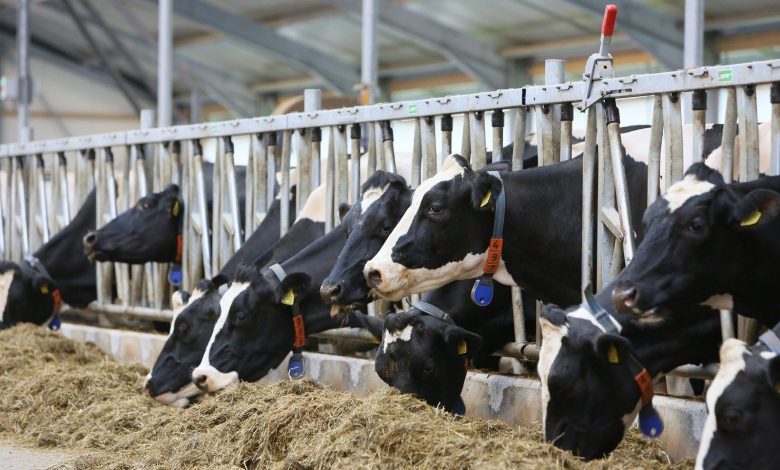
MWANZA: THE Tanzania Livestock Research Institute (TALIRI) Mabuki is set to establish livestock demonstration farms in villages across Mwanza Region to boost modern farming practices and ensure a steady supply of raw materials to industries.
At least three demonstration farms will be set up in villages within every district, with Kwimba and Misungwi earmarked as the first beneficiaries. The farms are expected to be operational within this financial year.
Mabuki Research Coordinator, Dr Godfrey Chasama, said during the ongoing Nanenane exhibitions that the initiative aims to enhance productivity by promoting adoption of improved livestock breeds.
He said the programme will focus on hybrid cattle and poultry, as well as improved goat breeds such as the Malya type, developed through a combination of local and imported genetics, including Kamorai from Pakistan and Boer from South Africa.
“The Boer genetics account for 55 per cent, Kamorai 30 per cent and 15 per cent from local breeds. This combination produces fast-growing goats, with males reaching up to 40 kilogrammes within two to three years, compared to about 17 kilogrammes for local breeds,” he explained.
Dr Chasama said the demonstration farms will support implementation of Vision 2050 through the livestock sector and will be complemented by outreach programmes targeting farmers in remote areas.
Meanwhile, the Tanzania Medicines and Medical Devices Authority (TMDA) has launched outreach programmes to educate livestock keepers on the proper use of veterinary medicines.
TMDA Senior Medicines Inspector, Mr Venance Burushi, said the move follows reports that some pastoralists administer human medicines to animals, a practice that poses health risks to both livestock and consumers.
He explained that al- though humans and animals may suffer from similar diseases, dosage requirements differ significantly, and misuse can lead to serious consequences.
He warned that consuming animal products such as milk, meat or eggs during the withdrawal period when animals are still under medication can expose people to harmful drug residues.
“For livestock, incorrect dosage can lead to drug resistance, forcing farmers to seek more expensive treatments and resulting in financial losses,” he said.
A pastoralist from Misungwi District, Mr Ernest Machibya, said many farmers are willing to adopt modern livestock practices but lack access to veterinary experts in rural areas.
He noted that most pastoralists only learn about improved livestock practices during Nanenane exhibitions, with little follow-up support at village level.
“We often use any medicine that appears to work, without understanding the long-term effects. This is due to limited access to profes- sional guidance,” he said.