ASA promotes climate-resilient seed varieties to boost food security

TANGA: The Agricultural Seed Agency (ASA) is intensifying efforts to educate farmers on the importance of using quality seeds suited to their local environments and capable of withstanding the effects of climate change to increase agricultural productivity and strengthen food security.
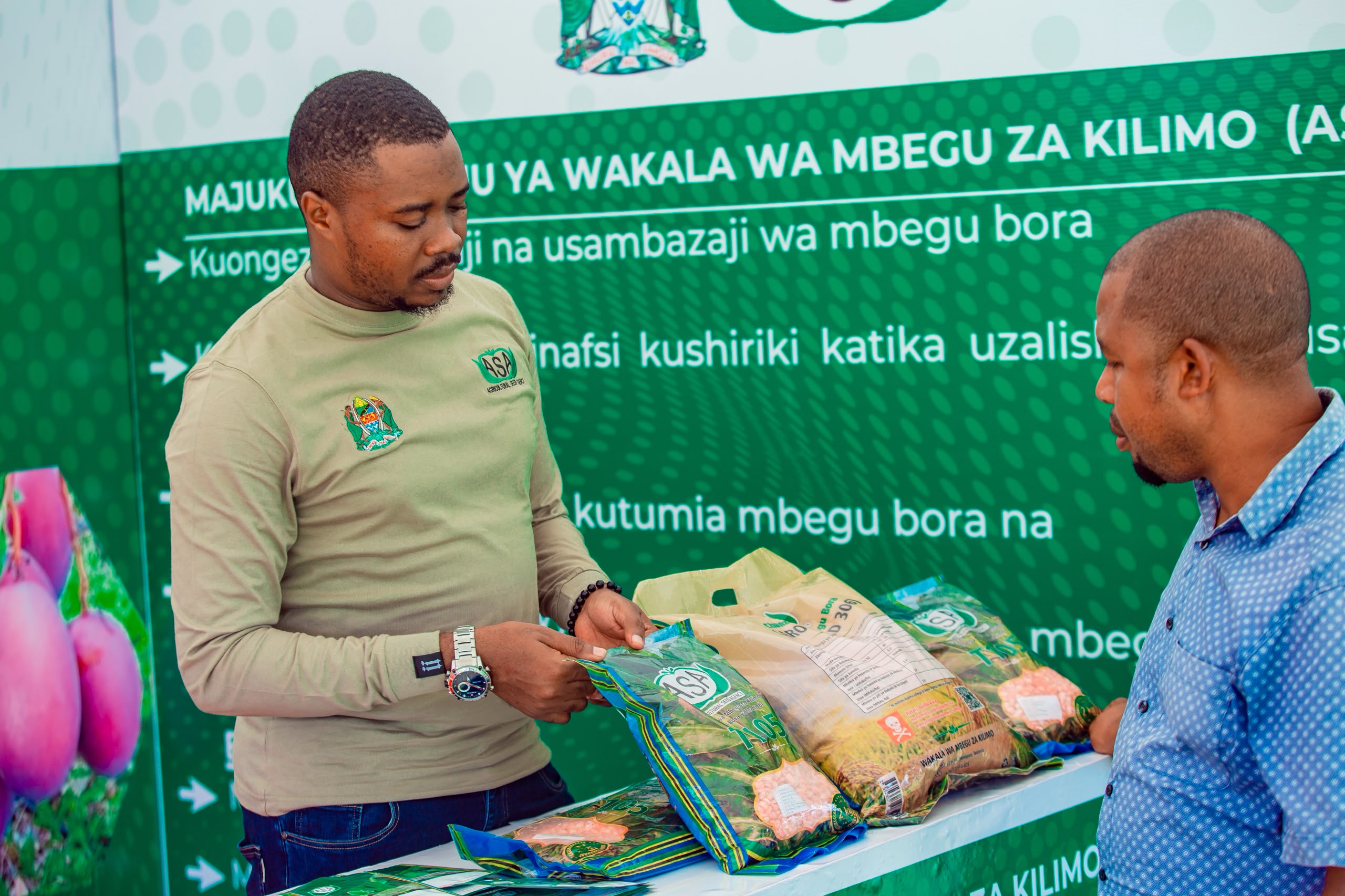
The initiative is part of ASA’s participation in the World Food Day celebrations taking place in Tanga Region, where visitors to its exhibition pavilion have been given an opportunity to learn about different improved seed varieties, their characteristics, suitable growing conditions and proper usage.
Speaking today during a visit to the ASA pavilion by Tanga Regional Commissioner Ambassador Dr Batilda Salha Burian, ASA Marketing Officer Suzan Ludovick said the agency was using the celebrations to educate farmers on selecting seeds based on the climatic conditions and environments of their respective areas.
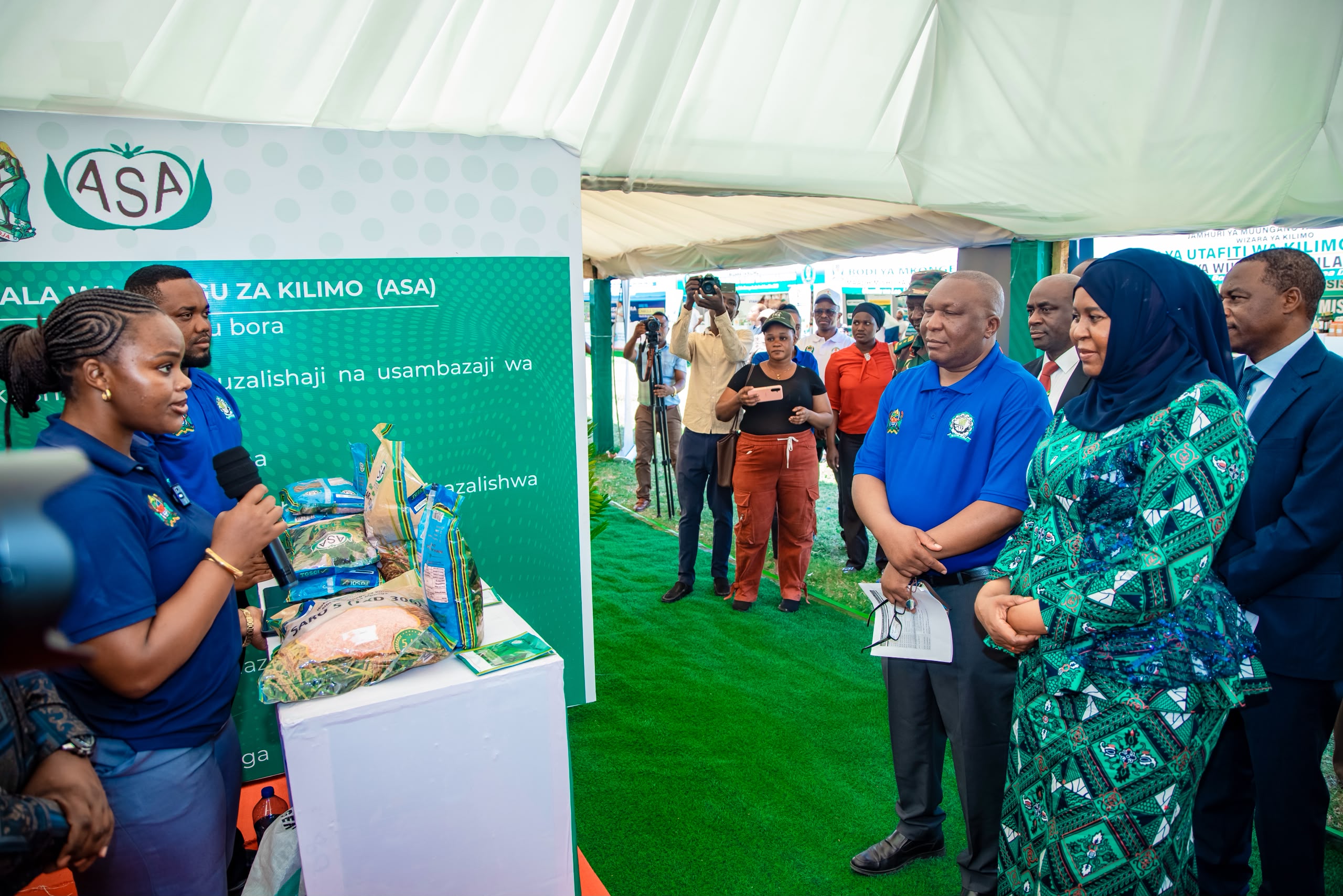
She said ASA was promoting the adoption of seed varieties capable of withstanding various environmental challenges, including maize variety T105, which can tolerate both drought conditions and excessive rainfall.
According to Ms Ludovick, choosing appropriate seed varieties is essential in helping farmers adapt to changing weather patterns and maintain agricultural production under different climatic conditions.
Meanwhile, Ambassador Dr Burian commended the various agricultural technologies showcased during the celebrations, noting that modern farming technologies and quality seeds were important in increasing production and improving productivity in the agricultural sector.
She urged members of the public, particularly farmers, to take advantage of the celebrations to learn about new agricultural technologies and access reliable information that would help them make informed decisions in their farming activities.
The World Food Day celebrations provide a platform for stakeholders to share knowledge and promote agricultural practices and technologies that can contribute to improved productivity and food security.