TACAIDS strengthens efforts to end HIV/AIDS by 2030
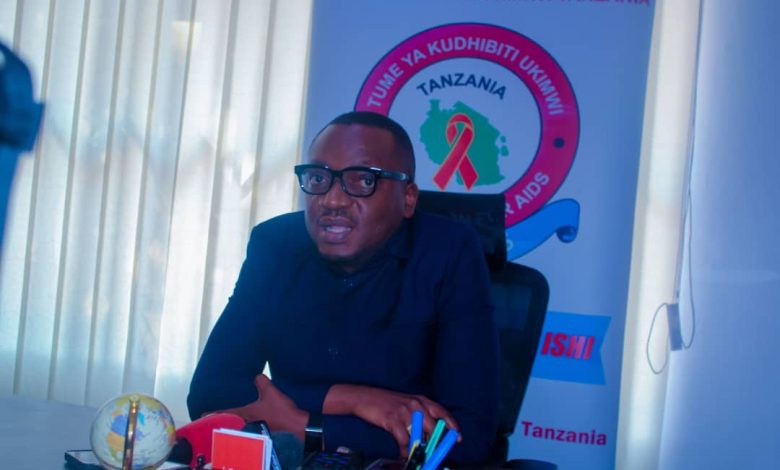
DODOMA: Tanzania Commission for AIDS (TACAIDS) Executive Director Dr Adam Mrisho said the Commission had continued to implement deliberate strategies to ensure HIV/AIDS interventions were effectively implemented and reached all groups, particularly young people.
Dr Mrisho made the remarks in Dodoma recently while responding to concerns raised by the Parliamentary Standing Committee on Health and HIV/AIDS, adding that the Commission was committed to ensuring health education continued to reach communities, encouraging people to undergo HIV testing and promoting the use of medication among those diagnosed with HIV.
He said other efforts included empowering about 90,000 community health workers through training on preventive services and JIPIME self-testing services, helping reach young people in rural areas and increase their participation in HIV/AIDS interventions.
Dr Mrisho added that the Commission was also working to strengthen and improve 32 knowledge centres across the country that provide HIV prevention education, ARV services and testing, particularly targeting young people and long-distance truck drivers.
The meeting was held on August 20, 2026, in Dodoma, where the Parliamentary Standing Committee on Health and HIV/AIDS received a report on the status of HIV/AIDS among young people and strategies to reduce new infections.
The Minister of State in the Prime Minister’s Office (Policy, Parliament, Coordination and Persons with Disabilities), Prof Palamagamba Kabudi, said the Government was strengthening efforts to combat HIV/AIDS through multisectoral collaboration, mobilisation of domestic resources and bringing services closer to communities.
He said the Government was also working to empower young people and women as part of efforts to achieve the goal of ending the HIV/AIDS epidemic by 2030.
ALSO READ: TACAIDS, GGML launch 23rd Kili Challenge to support HIV fight
Prof Kabudi commended the committee for its recommendations on improving HIV/AIDS interventions, including the use of technology in service delivery and strengthening efforts to reach young people, particularly those living in rural areas.
He also called for increased HIV/AIDS education in entertainment venues, including music halls, as well as youth conferences, to ensure wider community outreach.
For his part, Chairperson of the Parliamentary Standing Committee on Health and HIV/AIDS, Dr Johannes Lumbulung Lukumay, commended the Prime Minister’s Office for coordinating HIV/AIDS interventions in the country.
“It is important to continue empowering young people in regions with high HIV prevalence and coordinate the provision of education and voluntary testing at workplaces and in the transport sector, particularly among long-distance truck drivers,” Dr Lukumay said.
He also commended the Government for implementing various programmes and projects aimed at ending the HIV/AIDS epidemic, including the third phase of the TIMIZA Malengo initiative, implemented under the slogan “Tusonge na Samia kutokomeza UKIMWI” (Let us move forward with Samia to end AIDS).
Dr Lukumay said the initiatives were encouraging members of the public to undergo HIV testing and continue taking precautions against new HIV infections.
Committee members also commended the Government for ensuring the availability of antiretroviral drugs (ARVs), which help suppress the virus, strengthen the immune system and reduce viral load to undetectable levels, thereby helping prevent new infections.