Student interest in vocational studies rises sharply
DODOMA: THE number of schools implementing the vocational education pathway has increased from 35 in 2024 to 119 in 2026, reflecting growing public confidence in the system and rising demand for skills-based education among students.
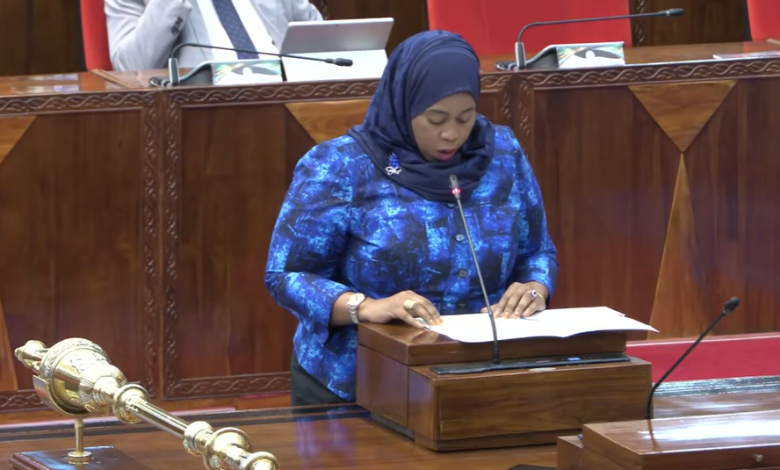
Deputy Minister for Education, Science and Technology Wanu Hafidh Ameir revealed the figures in the National Assembly in Dodoma yesterday while responding to a question from Timida Fyondomo (Special Seats, CCM) on the effectiveness of ongoing curriculum reforms.
In her basic question, the lawmaker asked the government to explain the measures being taken to ensure curriculum reforms remain effective, particularly after the increased emphasis on vocational education as a bridge between education and employment opportunities for youths.
Responding, Ms Wanu said current assessments indicate that schools implementing the vocational pathway are equipping students with skills required in the labour market due to alignment between curriculum content and actual employment needs.
“The government measures curriculum effectiveness in order to determine whether it meets labour market needs, whether learning objectives are being achieved and to identify challenges in implementation,” she told the august House.
According to the deputy minister, the government conducts continuous national assessments to evaluate learning outcomes and monitor whether reforms are achieving intended objectives.
She noted that findings from recent assessments, particularly the 2025 Form Two National Assessment results, show that students are attaining the targeted teaching and learning outcomes under the revised curriculum framework.
ALSO READ: Skills over degrees: How vocational training has become magic transforming tool inTanzania
Ms Wanu said the increasing number of schools adopting the vocational pathway is another indicator that confidence in the programme continues to grow among students, parents and education stakeholders.
The deputy minister explained that the vocational stream was introduced as part of broader curriculum reforms aimed at strengthening practical skills training and preparing young people for self-employment and labour market opportunities.
She said the reforms are intended to address concerns that many graduates lacked practical competencies required by employers and industry.
According to Ms Wanu, the government will continue strengthening collaboration between education institutions and the private sector to ensure graduates acquire skills that match labour market demands.
She added that tracer studies involving graduates and practical competency assessments are also being used to evaluate whether students are successfully transitioning into employment and productive economic activities after completing their studies.
The deputy minister further noted that the government remains committed to improving implementation of curriculum reforms through continuous monitoring, evaluation and stakeholder engagement.
She said vocational education remains among key strategies for reducing youth unemployment and equipping young people with practical and technical skills needed in the country’s growing economy.