‘Strengthen crossborder energy infrastructure to drive AfCFTA’
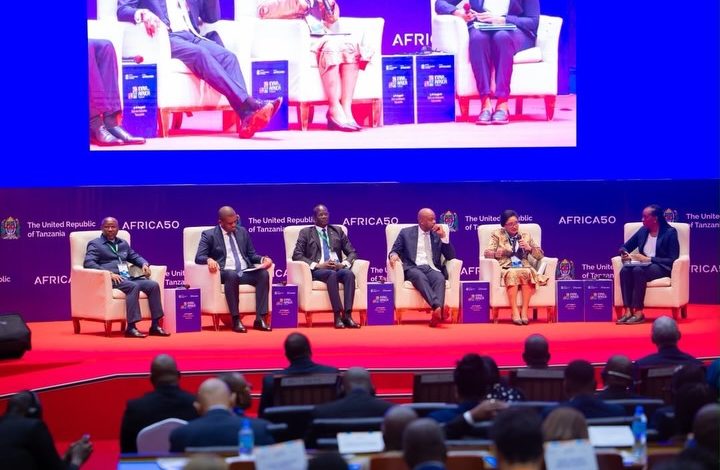
DAR ES SALAAM: TANZANIA has called on African countries to strengthen cross-border energy infrastructure and accelerate implementation of the African Continental Free Trade Area (AfCFTA).
Minister for Energy, Deogratius Ndejembi said yesterday during the high-level dialogue on the sidelines of the Africa50 General Shareholders Meeting and Infra for Africa Forum in Dar es Salaam that greater regional connectivity is key to unlocking industrialisation, expanding trade and improving energy security across the continent.
The Minister said that Africa can utilise its vast natural gas reserves to improve energy access, power industries, strengthen regional integration and drive sustainable economic development.
Mr Ndejembi said Africa must move away from fragmented national planning and instead invest in shared infrastructure capable of supplying energy and supporting industries across borders.
“As Africans, we should not work in isolation. We should collaborate and develop infrastructure projects that are bankable, scalable and provide access to one another as a continent,” Mr Ndejembi said.
He said that while many African countries possess abundant natural gas and other energy resources, these should not be viewed solely as export commodities but as strategic assets capable of driving regional industrial development.
“We have vast gas resources, but we should not treat that commodity as an export commodity only. We need to connect with ourselves,” he said.
The minister explained that Tanzania is pursuing several cross-border energy projects aimed at strengthening regional integration, including a 74-kilometre natural gas pipeline linking the Madimba Gas Processing Plant in Mtwara Region to neighbouring Mozambique.
He added that Tanzania is also planning pipeline connections with Kenya, Uganda and the Democratic Republic of Congo to improve energy access, facilitate industrial growth and deepen economic cooperation within the region.
The planned projects, he said, are expected to enhance electricity generation, support manufacturing and stimulate investment by ensuring reliable energy supplies across national borders.
ALSO READ: Tanzania drums for Africa’s natural gas for the access to clean cooking energy
Mr Ndejembi’s remarks reflect Tanzania’s broader commitment to regional integration and its ambition to position the country as a strategic energy hub connecting East and Southern Africa.
His call was echoed by Nigeria’s Minister of State for Petroleum Resources (Gas), Ekperikpe Ekpo, who said regional gas infrastructure is already transforming energy access and industrial development in West Africa.
He told delegates that Nigeria has expanded natural gas supplies to neighbouring Ghana, Togo and Benin, while preparations are underway for a larger regional pipeline network extending to Morocco.
“Today Nigeria transports gas to Ghana, Togo and the Benin Republic,” Mr Ekpo said. He added that: “just last month, West African Heads of State signed an agreement between national oil companies for gas to be exported from Nigeria through the Atlantic coast to more than 12 countries on the way to Morocco.
As this gas passes through these countries, they will take advantage of it to improve power generation, fertiliser production and local industrialisation.”
However, speakers stressed that infrastructure alone will not guarantee regional integration unless supported by harmonised trade regulations under the African Continental Free Trade Area.
Secretary-General of the AfCFTA Secretariat, Wamkele Mene, said efficient cross-border trade depends not only on pipelines, roads and ports but also on common rules that allow energy, manufactured products and agricultural goods to move freely across African markets.
“If you have a domestic supply of energy and you are able to export, that will happen on the basis of trade rules,” Mr Mene said.