STAMICO pushes women toward mining investment opportunities
DAR ES SALAAM: If wealth truly lies beneath the ground and we are certain, then perhaps the time has come for more women to pick up the metaphorical shovel.
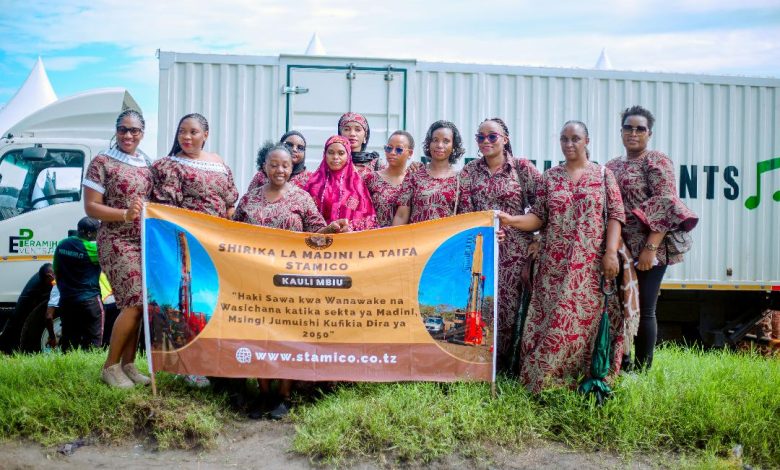
That was the cheerful yet determined message from women at the State Mining Corporation (STAMICO) as they joined the rest of the world on March 8, 2026 to commemorate International Women’s Day.
Instead of simply marking the occasion with speeches and celebrations, the women chose to spotlight a sector long viewed as a male stronghold and that is mining, and invite more women and girls to claim their share of the opportunity.
The message was clear and refreshingly straightforward: the mining sector is not just for men with helmets and pickaxes. It is also a space for women with ambition, business ideas and the courage to explore opportunities buried in Tanzania’s mineral-rich soil.
Across several regions including Dar es Salaam, Dodoma, Songwe and Singida, STAMICO representatives used the day’s celebrations to promote investment opportunities available to women in mining. These range from small-scale mineral extraction to value addition and mineral trading activities that, when managed effectively, can transform livelihoods and communities.
For a sector historically dominated by men, the idea of women stepping confidently into mining may still raise a few eyebrows. Yet those involved in the initiative insist that the change is long overdue.
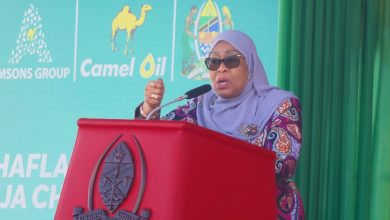
Speaking on behalf of STAMICO during the celebrations, Human Resources Officer Ms Plasda Mmole offered a vivid reminder of the stakes involved.
“Minerals are life and wealth,” she said, summing up the economic significance of the industry in just a few words. If minerals represent wealth, she argued, then it only makes sense for women to participate fully in the sector that generates it.
Her remarks drew nods and smiles from the audience and perhaps a few amused glances from those imagining a future where women in mining helmets become as common as market traders balancing baskets of produce.
The point, however, was serious. For decades, mining across much of Africa has been viewed as physically demanding work best suited to men. But modern mining is no longer defined solely by manual labour. It also involves science, engineering, technology, business management and trade as areas, where women are increasingly making their mark.
Ms Mmole pointed out that Tanzania’s government has already taken steps to create a supportive environment for women interested in entering the mining sector. Policies and regulatory frameworks have gradually opened doors for women entrepreneurs, investors and professionals.
What remains, she said, is the willingness of more women to walk through those doors.
“There is a need for courage and determination,” she noted, encouraging women to venture into the industry with confidence.
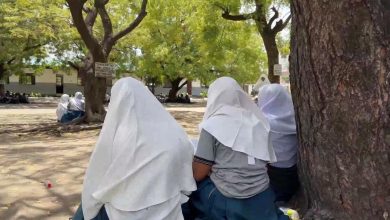
Her message resonated strongly with the young female students present at the event, many of whom were attending International Women’s Day celebrations for the first time.
For them, the idea of working in mining might once have sounded unusual and perhaps even intimidating. But hearing professionals speak about careers in mineral exploration, processing and trading offered a new perspective.
Ms Mmole encouraged female students to consider academic paths that would prepare them for mining-related professions. Fields such as geology, mineral exploration, engineering and mineral processing, she explained, offer exciting opportunities for women willing to pursue them.
Even the business side of the industry, including mineral marketing and trading, provides space for entrepreneurial women.
The long-term goal, she said, is to bring gender balance to a sector that has historically excluded or overlooked women.
If the future includes more women in laboratories analysing mineral samples, more women managing mining operations and perhaps even more women negotiating mineral deals, it would represent a significant shift in Tanzania’s economic landscape.
And yes, it might also produce the occasional humorous moment — such as when someone realises that the person explaining the value of a gold deposit is not a grizzled prospector but a confident young woman with a geology degree.
Ms Mmole also took the opportunity to commend the leadership of STAMICO for supporting gender equality within the corporation itself. She noted that the organisation continues to ensure equal opportunities for female employees in professional roles and leadership positions.
This commitment, she said, extends beyond the workplace to include participation in national and international events focused on women’s empowerment.
Such gatherings provide an important platform for women to exchange ideas, discuss challenges and explore solutions to barriers that still hinder gender equality in many sectors.
International Women’s Day celebrations, in particular, offer a valuable opportunity to reflect on progress while also identifying areas where more work remains to be done.
The theme of this year’s celebrations “Rights and Equality for Women and Girls as the Foundation for Inclusive Development Towards the National Development Vision 2050” underscores the broader national ambition to ensure that development benefits all citizens.
For Tanzania, achieving inclusive development by 2050 will require the full participation of women across all sectors of the economy.
Mining, with its vast economic potential, represents one of the most significant opportunities.
The sector contributes substantially to national revenue, employment and export earnings. Expanding women’s participation could therefore enhance both economic growth and social equity.
The International Women’s Day celebrations organised across the country brought together women from a wide range of public and private institutions.
The gatherings created a lively atmosphere where discussions about economic empowerment mixed easily with laughter, networking and shared experiences.
While speeches highlighted serious issues such as gender equality and economic opportunity, the tone of the events remained hopeful and optimistic.
After all, there is something inherently empowering about the idea that wealth might literally lie beneath one’s feet waiting to be discovered.
For the women of STAMICO, the message they delivered was both symbolic and practical.
Symbolic because it challenged long-standing assumptions about who belongs in the mining sector.
Practical because it highlighted real opportunities for women to invest, work and build businesses within the industry.
As Tanzania continues to develop its mineral resources, the hope among advocates of gender equality is that the sector will evolve into one that reflects the diversity of the society it serves.
And if that future includes more women confidently discussing gold grades, negotiating mineral prices or overseeing mining operations, it would mark a transformation worth celebrating.
After all, as the STAMICO women suggested with a touch of humour and determination, the country’s mineral wealth is too valuable to be left entirely to the boys.