Silicon savannah: Futuristic creative cities driving Tanzania’s growth
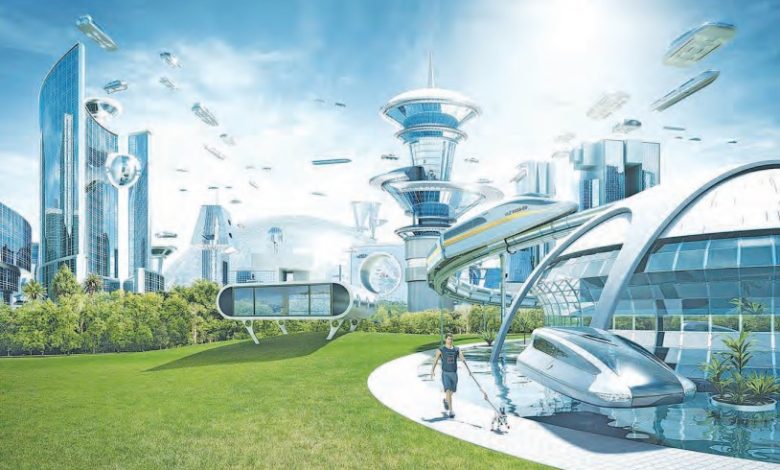
IMAGINE a city where the rhythmic beats of local music music are composed with artificial intelligence, where digital animators in Dar es Salaam craft characters for global streaming giants, and where architects in Arusha use virtual reality to design eco-friendly, smart communities.
This is not a distant science fiction fantasy; it is a tangible, achievable future for Tanzania, waiting to be built. The concept of developing futuristic creative cities is no longer a luxury for wealthy nations—it is a strategic imperative for economic diversification, job creation and sustainable growth.
For Tanzania, a nation blessed with a vibrant youthful population and rich cultural heritage, this is the key to unlocking its next chapter of prosperity.
The traditional engines of economic growth agriculture, mining and tourism have served Tanzania well, providing crucial foreign exchange and employment. However, to harness the potential of its burgeoning youth demographic and insulate itself from global commodity price shocks, the nation must actively cultivate new, high-growth sectors.
The creative economy encompassing film, music, fashion, design, software development and digital arts represents a multi-trillion-dollar global industry. By intentionally building cities and hubs that nurture these industries with cutting-edge infrastructure, Tanzania can position itself as a regional and continental leader.
A futuristic creative city is more than just fibre-optic cables and modern buildings; it is an ecosystem. It is a physical and digital space designed for collaboration, innovation and cultural production, powered by reliable renewable energy, high-speed internet and a businessfriendly regulatory environment.
The economic benefits of such an endeavour are profound and multi-layered. Primarily, it is a powerful engine for job creation. It moves beyond preparing youth for existing jobs and empowers them to invent new ones. A focus on animation, video game development and software engineering can create thousands of high-value, export-oriented positions.
The success of Nigeria’s “Nollywood” and Kenya’s “Silicon Savannah” are testaments to the fact that African nations can create globally competitive creative and tech products.
Tanzania, with its unique stories and perspectives, can do the same, exporting its culture not just as a tourist attraction but as digital content, music and design. Furthermore, these cities would attract a different kind of tourist: The creativeclass tourist, the digital nomad and the international entrepreneur seeking inspiration and collaboration in a dynamic African hub.
This boosts the service economy, from hospitality to co-working spaces, creating a virtuous cycle of investment and spending. The foundation for this future is already being laid.
The government’s ambitious project to develop a new, modern capital city in Dodoma presents an unprecedented opportunity. Instead of merely replicating old administrative models, Dodoma could be conceived from the ground up as Tanzania’s first smart, creative capital.
Imagine a city with integrated data networks, digital public services and dedicated zones for cultural production and tech innovation.
This would send a powerful signal to the world that Tanzania is open for the business of the future. Similarly, existing cities like Dar es Salaam, with its energetic entrepreneurial spirit and Arusha, with its cultural tapestry and tourism appeal, can be retrofitted with dedicated creative districts.
These zones would offer tax incentives, streamlined business registration and worldclass incubators and accelerators to help creative startups scale. Of course, the path is not without its challenges.
The digital divide remains a significant hurdle and a nationwide commitment to affordable, high-speed internet is the non-negotiable bedrock of this vision. It also requires a paradigm shift in education, moving towards curricula that emphasise critical thinking, digital literacy and artistic skills over rote memorisation.
Most importantly, it demands a collaborative spirit a triple helix of innovation where government, private sector and academic institutions work in lockstep. The government’s role is to provide the vision, policy, and enabling infrastructure.
The private sector must bring investment, market discipline and global connections. Academia must produce the talented, forward-thinking graduates and conduct the research needed to solve local problems. Tanzania stands at a crossroads. One path leads to a familiar, commodity-dependent future.
The other, more daring path, leads towards the Silicon Savannah a future where economic growth is driven by the ingenuity of its people, the power of its culture and the possibilities of technology.
By boldly investing in the ecosystems that foster creativity and innovation, the country will not just participate in the global economy of the 21st century; it will help to shape it. The blueprint is clear. The talent is abundant. The time to start building is now.