SEQUIP-AEP Project enables 12,000 children to return to School

MOROGORO: THE Alternative Secondary Education Improvement Project (SEQUIP-AEP), implemented by the Institute of Adult Education (IAE) in partnership with the Prime Minister’s Office – PMO-RALG, has successfully returned more than 12,000 children to school, surpassing its national target within five years.
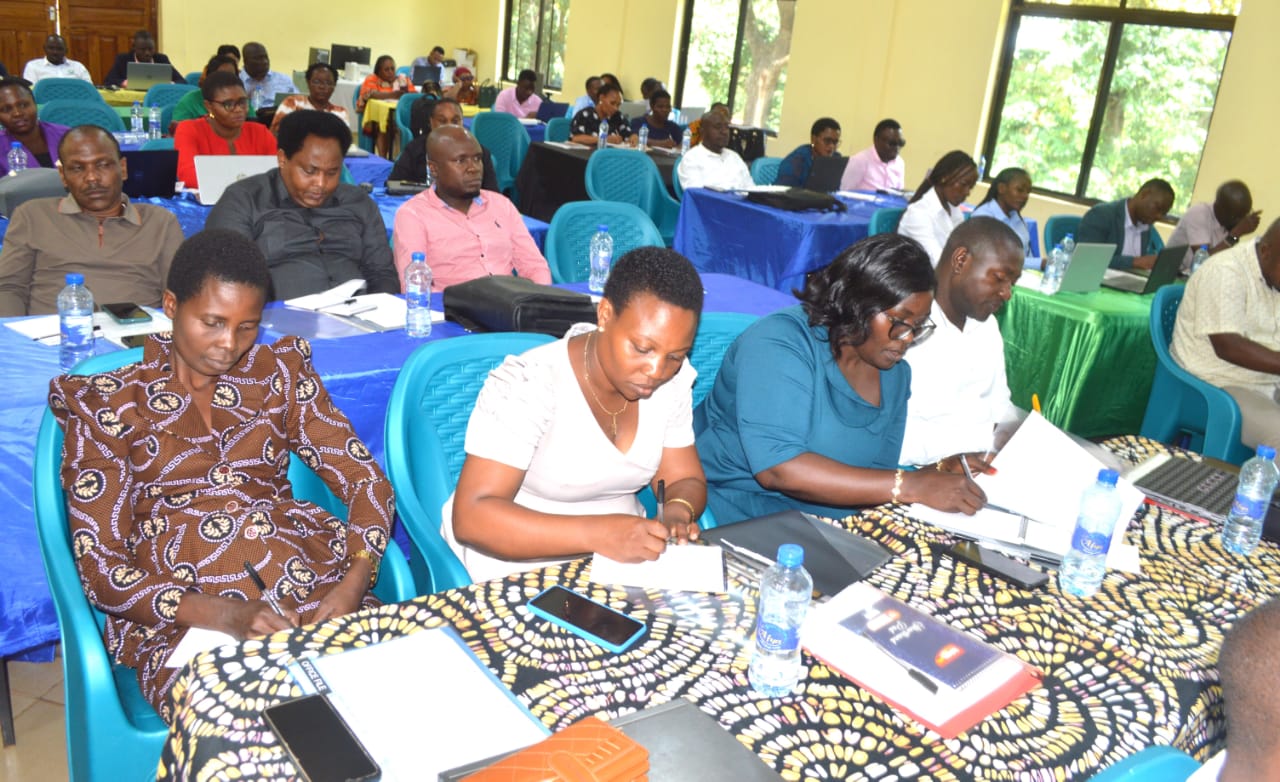
The achievement was announced in Morogoro by the Rector of the Institute of Adult Education, Prof Philipo Sanga, during the opening of a three-day national workshop, brought together regional project implementers from all 26 regions of Tanzania.

The meeting aimed to assess progress, share lessons learned, and address challenges in the implementation of the project.
Prof Sanga said the project, which began in 2021, was mandated to reintegrate 12,000 children who had dropped out of secondary education due to various social and economic factors.
To date, more than 13,000 learners many of them girls have been enrolled through alternative secondary education pathways.
Among the project’s key achievements is the construction of hostels to accommodate learners, particularly girls who are most affected by school dropouts caused by teenage pregnancy, early marriage, child labour, and household poverty.
He noted that hostel construction is nearing completion in the Iringa Region, while similar facilities are being developed in Katavi, Rukwa, Simiyu, Ruvuma, and Mwanza.
“A significant number of Tanzanians are unable to continue within the formal education system due to life circumstances,” Prof Sanga said.
“The government, through the Institute of Adult Education, is committed to creating inclusive, supportive learning environments that provide education and life skills to all citizens, especially those who were left behind.”he added
Despite the successes, Prof Sanga highlighted community attitudes and limited parental support as ongoing challenges.
He emphasized that continuous public awareness and community engagement are essential to ensure families understand the value of education and support children returning to school.
Earlier, the Acting Director of Planning, Finance and Administration at IAE, Dr Honest Kipasika, said the workshop focused on evaluating both academic outcomes and infrastructure development, including classrooms and administrative buildings.
He added that participants were also strengthening data management through the national digital reporting system to enhance accountability and evidence-based decision-making.
One of the participants, Rainer Chale, a resident trainer from Simiyu Region, reported that a newly constructed hostel in his area will accommodate 80 students, significantly reducing long walking distances and improving learners’ safety and attendance.
He said the project has helped change negative perceptions in communities that alternative education learners are academically weak.
“Evidence from national examinations shows that some of our students have achieved Division One, Two, and Three results sometimes outperforming students in the formal system,” he noted.
Meanwhile, the IAE Campus Manager for Ruvuma Region, Dr Hellen Lyamuya, praised the government for its inclusive education policy, particularly its support for young mothers.
ALSO READ: Law reform to boost education quality
She highlighted the construction of mother-and-child rooms that allow learners to attend classes while their children are safely cared for nearby.
Dr Lyamuya said these initiatives have strengthened learners’ confidence and psychological well-being, enabling them to pursue education in a dignified and supportive environment and reaffirming the government’s commitment to leaving no citizen behind.