Schools urged to protect Haemophilia pupils

NJOMBE: HEALTH experts have urged schools across the country to create safe and inclusive learning environments for children living with Haemophilia, warning that stigma and corporal punishment can expose them to life-threatening bleeding.
According to experts Haemophilia is an inherited bleeding disorder caused by a deficiency of blood-clotting proteins, making it difficult for blood to clot after injuries or medical procedures.
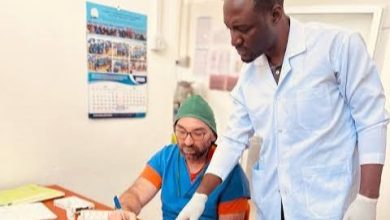
Speaking during the launch of a Haemophilia Clinic at Njombe Regional Referral Hospital, a specialist in Sickle cell disease and Haemophilia at Muhimbili National Hospital, Dr Godfrey Orotta, said teachers need adequate knowledge of the condition to ensure affected children learn in a safe and supportive environment.
“Schools must provide safe environment for children with Haemophilia because stigma and corporal punishment can put their health at risk,” he said.
He said many people remain unaware they have the condition until they experience prolonged bleeding following circumcision, tooth extraction, surgery or an injury.
ALSO READ: Government backs environmental reforms
“If Haemophilia is not diagnosed and treated promptly, prolonged bleeding can lead to serious complications, including death,” he said.
He added that internal bleeding can also cause swelling and pain in joints such as the knees, elbows and ankles, with symptoms often becoming apparent when children begin crawling or walking.
Meanwhile, Njombe Regional Commissioner Anthony Mtaka said the launch of the Haemophilia Clinic reflects the government’s commitment to expanding access to specialised healthcare, particularly for people living with rare diseases. He said the clinic will spare patients the cost and inconvenience of travelling long distances for treatment while improving timely access to life-saving care.
“A haemophilia patient cannot afford delays in receiving treatment because excessive bleeding can quickly become fatal,” he said.
During the launch, the Tanzania Haemophilia Association donated medicines and medical supplies worth 529m/- to support patients in Njombe Region. The association’s Acting Project Coordinator, Abdallah Makalla, said more than 6,700 people are estimated to be living with Haemophilia in Tanzania, with some developing permanent disabilities due to complications associated with the condition.
Acting Medical Officer in Charge of Njombe Regional Referral Hospital, Dr Lazaro Jassely, said the donated medicines and equipment will strengthen patient care as the hospital continues implementing strategies to improve the management of non-communicable diseases.