Samia’s golf tourism ambition takes shape
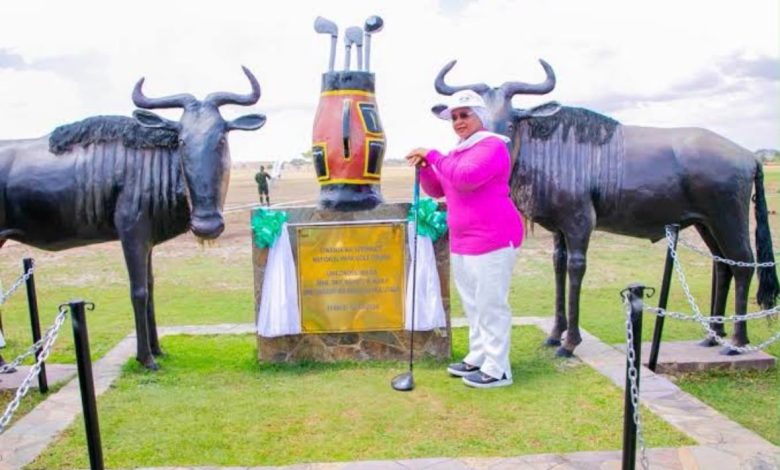
MARA: TANZANIA is taking a fresh approach to tourism development, with golf emerging as a potential driver of diversification beyond the country’s traditional wildlife safaris and beach holidays.
The launch of the Serengeti National Park Golf Course at Fort Ikoma in Mara Region on October 18, 2026, marked a significant step in this ambition, bringing together sport, leisure and wildlife conservation in a bid to strengthen Tanzania’s competitiveness in the international tourism market.
As President Samia Suluhu’s Sixth Phase Government marks its first anniversary in the current term, the project offers an opportunity to assess how the government’s commitment to sports tourism is translating into investment, new experiences for visitors and opportunities for local athletes.
For a country whose tourism appeal rests largely on destinations such as Serengeti National Park, Mount Kilimanjaro and Zanzibar’s beaches, golf could attract new categories of international visitors while encouraging existing tourists to extend their stays.
Serengeti: A new chapter in sports tourism
Speaking at the launch on behalf of President Samia, Minister for Natural Resources and Tourism Dr Ashatu Kijaji described the investment as an important step towards positioning Tanzania as a sports tourism destination in Africa while reinforcing its reputation as a leading wildlife tourism destination.
She said the global growth of sports tourism offered Tanzania opportunities to attract international visitors, host competitions and stimulate investment in hospitality, transport and related businesses.
“The investment is expected to increase tourism revenue, attract high-end visitors, extend tourists’ stays in the country, stimulate investment and create new employment opportunities for young people,” Dr Kijaji said.
The government expects the course to host African and international tournaments, raising Tanzania’s profile among golfers and sports tourists. It also adds a sporting experience to the traditional Serengeti wildlife safari.
Tanzania National Parks (TANAPA) Conservation Commissioner, Massana Mwishawa, said the course incorporates natural obstacles, including conserved trees, while its lack of a perimeter fence allows wildlife to move freely through the area in line with conservation requirements.
An underground irrigation system has also been installed to help minimise environmental impacts.
The setting could distinguish the course from conventional golf facilities, offering visitors the prospect of combining sport with nature. However, its long-term success will depend on responsible water use, careful environmental management and the ability to operate in harmony with the Serengeti’s ecological priorities.
Zanzibar looks to golf to expand its tourism market
The Serengeti project is not an isolated initiative. Zanzibar is also exploring golf as a way to diversify its tourism products, attract more visitors and encourage longer stays.
The Tanzania Wildlife Management Authority (TAWA) has initiated plans for a golf course in the Jambiani Muyuni Forest Reserve in South Unguja.
The proposal was highlighted during a visit by specialists from US-based Troon International recently, a company involved in golf course management and development, who assessed potential investment and operational opportunities.
At the time, former TAWA Board Chairman Major General (Rtd) Hamis Semfuko said sports tourism could help increase visitor numbers and diversify Zanzibar’s tourism offering. Semfuko has since been appointed Board Chairman of TANAPA.
Troon International Executive Assistant David Jonathan said the proposed course could encourage longer stays, promote sports tourism and strengthen Zanzibar’s competitiveness in the international market.
Following the completion of his tenure at TANAPA, General (Rtd) George Waitara has been appointed the new TAWA Board Chairman. Attention will now turn to how the authority advances the proposal, attracts investment and develops an implementation framework that balances tourism opportunities with the conservation of the Jambiani Muyuni Forest Reserve.
The Zanzibar course remains a proposal under development, rather than an operational facility. Its progress will therefore be an important test of how effectively the broader golf tourism ambition translates into projects on the ground.
The project could prove a promising new chapter for Waitara, who can draw on his experience with the established Serengeti Golf Course and TPDF Lugalo Golf Course in Dar es Salaam.
The key difference is that the Jambiani project is expected to be developed through a partnership with an international golf management company, while the Serengeti course was government-funded and developed by local engineer Enock Magile.
From policy ambition to investment
The push to develop golf tourism reflects a wider ambition to make Tanzania’s tourism industry more diverse and competitive under Samia’s helm.
Beyond green fees, golf tourism can generate demand for accommodation, restaurants, transport, equipment and professional services. International tournaments and golf-focused holidays may also attract visitors with greater discretionary spending, although the actual benefits will depend on pricing, accessibility, effective marketing and the participation of local businesses.
The Serengeti facility demonstrates the government’s willingness to explore a tourism product that combines sport with the country’s internationally recognised natural heritage.
The Zanzibar proposal signals an intention to extend that concept to a destination better known for its beaches, culture and coastal hospitality.
The policy ambition to include golf among Tanzania’s potential tourism products dates back to 2020. The latest developments suggest an effort to turn that ambition into infrastructure and commercial opportunities.
The key question now is whether Tanzania can build a sustainable golf tourism industry around these projects, with reliable visitor numbers, strong tournament partnerships and effective management.
Golf investment and the rise of Tanzanian players
The government’s golf ambitions are not limited to infrastructure. The growing visibility of Tanzanian golfers on the international stage offers another measure of the sport’s potential and the opportunities that greater support could create.
President Samia, for the first time, also expressed pride in Hawa Wanyeche following her historic victory at the Uganda Ladies Golf Open in Kampala, describing the achievement as evidence of Tanzanian players’ ability to compete internationally.
Wanyeche, who represents the Tanzania People’s Defence Force (TPDF) Lugalo Golf Club in Dar es Salaam, won the 54-hole championship held at Uganda Golf Club from August 13 to 15.
ALSO READ: Mwinyi promotes trade, tourism in South Korea
“Her victory is a great source of pride for our nation and demonstrates the ability of our players to perform well in international competitions,” the President said.
She also repeated the government’s commitment to strengthening sport by improving conditions for athletes and supporting their participation and success in international competitions.
The tournament attracted golfers from Ghana, Japan, Kenya, Nigeria, Rwanda and Tanzania, alongside players from host nation Uganda.
Wanyeche secured her maiden title after opening with consecutive rounds of 77 before closing with a two-overpar 74 to finish at 12-over-par in the 54 holes battle.
Other Tanzanian golfers, including professional player Nuru Mollel and elite amateurs Isiaka Dunia, Victor Joseph and Enosh Wanyeche, have also been making their mark in international competition this year, further highlighting the country’s talent.
Their performances reinforce the importance of linking investment in golf facilities with opportunities for athletes to train, compete and develop their skills.
The sustainability test
As President Samia’s administration marks its first anniversary in the current term, the Serengeti and Zanzibar initiatives offer a measure of how the government’s tourism diversification ambitions are progressing.
However, launching a facility is only the first step. Sustained success will require consistent visitor numbers, tournament partnerships, specialist management and sufficient revenue to cover operating costs.
Golf courses can be resource-intensive, making efficient water use and environmental safeguards particularly important in sensitive natural areas.
Ultimately, the success of Tanzania’s golf tourism strategy will be measured not only by the number of facilities developed, but also by the visitors they attract, the jobs and business opportunities they generate, the support they provide to local golfers and their ability to protect the natural assets on which the country’s tourism industry depends.