Samia is 2nd Tanzanian leader after Mkapa to oversee the national vision blueprint
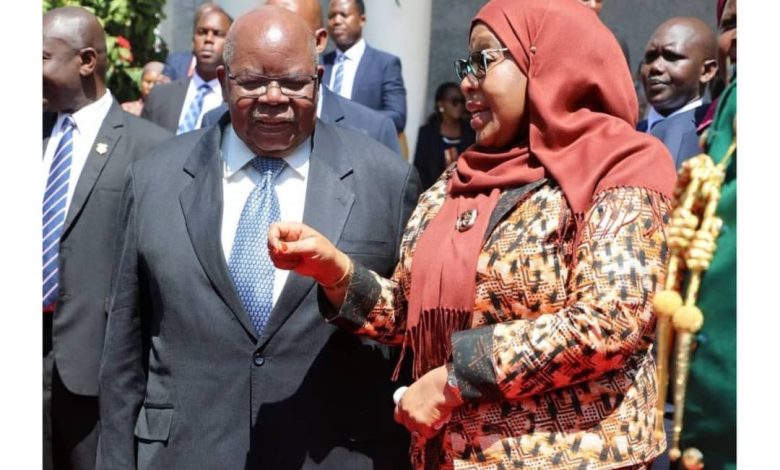
DODOMA: PRESIDENT Samia Suluhu Hassan has been recognized as the second Head of State in Tanzania’s history to successfully lead the development of a long-term national vision, following in the footsteps of the late President Benjamin William Mkapa.
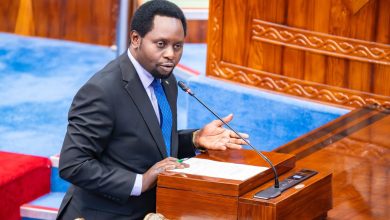
The statement was made by the Minister of State in the President’s Office (Planning and Investment), Professor Kitila Mkumbo, during the official launch of Tanzania’s Vision 2050 held on Thursday, at the Jakaya Kikwete Convention Centre in Dodoma. President Samia graced the event as Guest of Honour.
“In 2000, the late President Mkapa guided the formulation of Vision 2025, and now, under the Sixth Phase Government, President Samia Suluhu Hassan has become the second national leader to deliver a transformative vision for Tanzania’s long-term development,” Prof. Mkumbo said.
He further noted that the process of drafting Vision 2050 was highly inclusive and participatory, following President Samia’s consistent directives to ensure public engagement. Over 1.1 million Tanzanians contributed their views through digital and analogue platforms, with 81 percent of the feedback coming from youth aged 15 to 35.
ALSO READ: Vision 2025 is very inclusive, Prof Mkumbo affirms
“This reflects the demographic reality of our country 76 percent of our population is under the age of 36. Therefore, this vision has been largely written by the youth who will live through it and carry it forward,” Prof. Mkumbo said.
He also acknowledged that Tanzania’s second national development framework builds upon previous programs, including the ruling party’s development agenda of 1987–2002 under the leadership of the late President Ali Hassan Mwinyi.
Vision 2050 outlines Tanzania’s ambition to become a resilient, inclusive, and prosperous upper-middle-income nation by mid-century, with emphasis on industrialization, digital economy, climate adaptation, and youth empowerment.
The event was attended by former Presidents, government officials, development partners, youth representatives, and members of the diplomatic corps.