Rural energy revolution: TZ’s journey towards Universal Electricity Access by 2030
MWANZA: IN recent years, Tanzania has been writing a new chapter in its energy sector, particularly in efforts to expand electricity access to rural areas.
As the country moves toward implementing the 2026/2027 national budget, the government has made its commitment clear: To ensure that all hamlets across the nation are connected to electricity by 2030 a goal widely seen as a cornerstone of economic and social development.
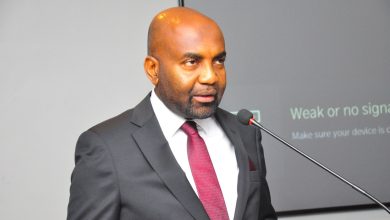
This commitment has been reaffirmed by the Director General of the Rural Energy Agency (REA), Mr Hassan Saidy, who noted that the government plans to extend electricity to the remaining 14,000 hamlets nationwide.
This follows significant achievements already made, with approximately 40,000 hamlets more than 60 per cent of all hamlets in the country having been reached with electricity services.
A journey of success with challenges For many years, lack of electricity in rural areas was a major barrier to development, hindering economic activities, education and even healthcare services. However, through substantial government investment and collaboration with development partners, the situation has begun to change rapidly.
Mr Saidy explained that more than 11,000 hamlets are currently at various stages of electrification projects, indicating that implementation speed has doubled.
Despite this progress, he acknowledges a significant gap remains, particularly in rural areas where only 37.1 per cent of residents are connected to electricity, compared to the national average of 52 per cent.
This disparity clearly shows that while progress has been made, much work remains to ensure equitable access.
Clean energy: A new development agenda
Beyond electricity access, the government is also advancing the agenda of clean cooking energy. This is a crucial step not only for environmental protection but also for improving public health especially for women and children who have long been affected by the use of firewood and charcoal.
Mr Saidy noted that the government continues to promote clean cooking solutions while improving efficiency in electricity use. He emphasises that behavioural change in energy consumption is part of a broader sustainable development strategy.
In many rural areas, the use of improved cookstoves and renewable energy sources such as solar power is already bringing positive change. Communities are spending less time collecting firewood and more time engaging in productive economic activities.
Development partners: A pillar of success
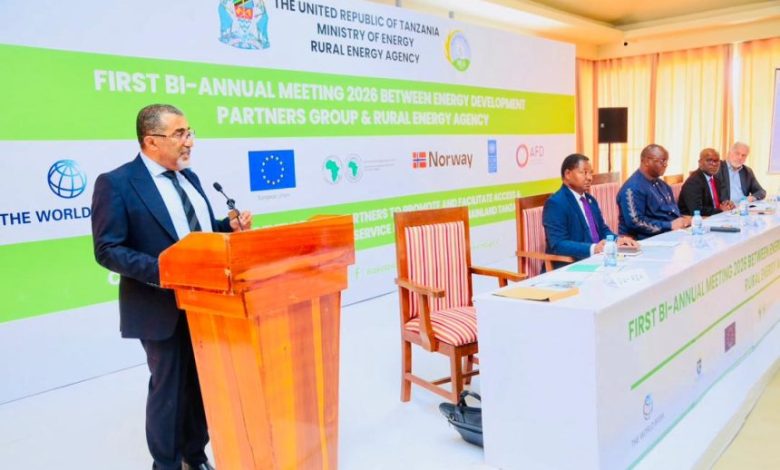
According to REA Board Chairman, retired General Jacob Kingu, the achievements made are not solely the result of government efforts but also of strong collaboration with development partners, including the World Bank and the governments of Norway and Sweden.
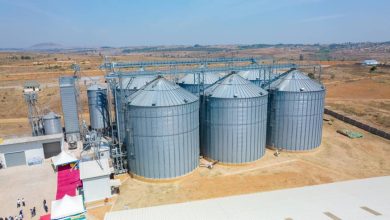
Through this cooperation, various projects have been implemented with tangible benefits for local communities. Kingu highlights examples such as small-scale fish drying projects and poultry farming initiatives in Misungwi, which have increased household incomes and boosted local economies.
These examples demonstrate that access to energy goes beyond lighting homes, it acts as a catalyst for economic transformation by adding value to production activities.
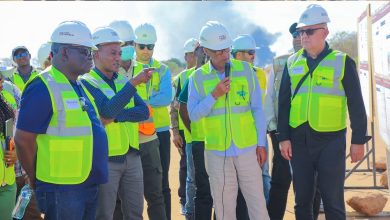
Mwanza shows the way In Mwanza Region, the implementation of energy projects has taken a distinctive and impactful form. Regional Commissioner Mr Said Mtanda notes that the government is implementing projects worth 127.7 bn/- aimed at expanding rural electrification, distributing improved cookstoves and promoting solar energy use.
These initiatives have touched multiple sectors, including electrification for fishing communities, installation of clean energy infrastructure in prisons and support for fish processing activities, an economic backbone for many communities around Lake Victoria.
Mr Mtanda reports that as of April 2026, 597 out of 3,448 hamlets have been reached with solar power, with ongoing efforts to ensure full coverage. Contractors have already been engaged to complete the remaining work.
Challenges and expectations
Despite the progress, challenges remain. One of the key obstacles is the cost of household electricity connections, which remains unaffordable for some citizens. Additionally, limited awareness about efficient energy use and the importance of protecting infrastructure needs to be addressed.
Mr Mtanda emphasises the need for community involvement in safeguarding energy infrastructure and environmental conservation. He calls on citizens to move away from firewood and adopt clean energy alternatives to protect forests and mitigate climate change impacts.
A brighter future ahead
The goal of electrifying all hamlets by 2030 may seem ambitious, but it is achievable if the current momentum is sustained and existing challenges are addressed in a timely manner.
Development experts agree that investment in energy is an investment in the nation’s future. When electricity reaches rural areas, it transforms education, healthcare, business and overall community well-being.
For Tanzania, this journey is not just about extending power lines, it is about reducing poverty, driving economic growth and building an inclusive society with equal opportunities for all.
As power lines continue to stretch from urban centres into rural landscapes, the vision of a fully electrified Tanzania draws ever closer to reality.