Relocation key to restoring Ruaha River flow
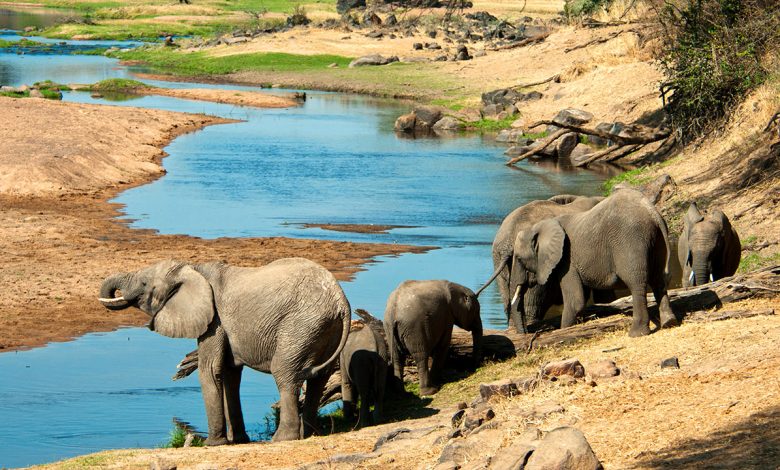
MBEYA: FEW places in Africa capture the grandeur of wilderness like Ruaha National Park.
With vast miombo woodlands, dramatic landscapes and one of the richest concentrations of wildlife on the continent, the park stands among Tanzania’s greatest natural treasures.
Yet this remarkable ecosystem faces a growing threat: the declining flow of the Ruaha Mkuu River, its lifeline.
Against this backdrop, the government’s decision to relocate five villages and 39 hamlets from degraded water catchment areas in Mbarali District, Mbeya Region, deserves strong support.
The move could prove decisive in restoring the river’s downstream flow and safeguarding one of Tanzania’s most important national parks.
Ruaha’s natural history stretches back more than a century. In the early 1880s, European explorers arriving in the region were struck by the extraordinary landscape and abundance of wildlife.
Colonial administrators later described the area as resembling the “Garden of Eden”.
Recognising its ecological importance, the German colonial government gazetted the area in 1910 as the Saba Game Reserve.
After the First World War, the British administration renamed it Rungwa Game Reserve in 1946.
Following independence in 1961, the reserve was upgraded to Ruaha National Park in 1964.
The park continued to expand over the years, notably in 1974 and again in 2008 when the Usangu wetlands were incorporated, bringing its size to more than 20,000 square kilometres.
Although the creation of Nyerere National Park in 2019 made Ruaha the country’s second-largest national park, it remains one of the most ecologically significant conservation areas in Africa.
The park hosts an extraordinary range of wildlife, including elephants, buffaloes, lions, leopards, cheetahs, giraffes, hippopotamuses and crocodiles.
It is also one of the last strongholds of the endangered African wild dog.
Birdlife is equally remarkable, with more than 570 recorded species, making the park a paradise for birdwatchers and ornithologists.
Despite these remarkable assets, Ruaha has long remained an underutilised tourism destination compared with Tanzania’s famous northern circuit. One reason has been limited accessibility.
The roughly 100-kilometre road linking Iringa Municipality to the park has for decades remained in poor condition.
Air access has also been constrained by limited aviation services and inadequate infrastructure. Encouragingly, the government is now upgrading the road to tarmac standard, a move expected to greatly improve accessibility.
Efforts are also underway to strengthen airstrip facilities to support increased air traffic.
These improvements are essential if the southern tourism circuit is to realise its full potential. But infrastructure alone will not guarantee Ruaha’s future.
A far more pressing challenge is the declining flow of the Ruaha Mkuu River. For generations, the river was perennial, providing a reliable water source for wildlife and sustaining the ecological balance of the park.
ALSO READ: Ruaha airstrip opens for business
However, over the past two to three decades, downstream flow from the Ihefu Swamp and the wider Usangu plains has steadily declined.
During dry seasons, sections of the river that once flowed year-round now run dry. This change poses serious risks not only to wildlife but also to tourism and the wider economy.
Without reliable water sources, animals disperse or migrate, altering the delicate balance of the ecosystem that makes Ruaha such a spectacular wildlife destination.
The problem largely originates upstream. Environmental degradation in the Usangu plains—including deforestation, uncontrolled grazing and unsustainable irrigation practices—has significantly reduced water retention in the catchment areas that feed the Ruaha Mkuu River.
Ihefu wetlands, once a natural reservoir storing and gradually releasing water into the river system, have been heavily degraded.
Yet the importance of this river extends far beyond the park itself. Ruaha Mkuu feeds the Mtera and Kidatu hydropower dams, which supply electricity to the national grid.
It also contributes to the Rufiji River system, supporting the Julius Nyerere Hydropower Project.
Protecting the river is therefore not only a conservation issue but also a matter of national economic security. Field observations and surveys conducted in November 2025 confirm that urgent action is needed to restore the ecological health of Ihefu wetlands and the wider Usangu ecosystem.
One critical step is rehabilitating Ihefu Swamp to enhance its capacity to store rainwater. Strategic water-retention infrastructure, such as small weirs or dams, could help maintain downstream river flow during the dry season.
Equally important is improving the management of irrigation schemes across the Usangu plains so that water use becomes more sustainable.
However, perhaps the most decisive intervention is the government’s plan to relocate communities currently living in severely degraded water catchment areas.
The relocation of five villages and 39 hamlets in Mbarali District will allow damaged ecosystems to recover and help restore the natural hydrological cycle feeding the Ruaha Mkuu River.
Such measures are never easy. They require careful planning, adequate compensation and genuine engagement with affected communities.
But if implemented responsibly, this decision could mark a turning point in restoring one of Tanzania’s most important ecosystems.
The sooner the relocation is completed and restoration efforts begin, the sooner the Ruaha Mkuu River can regain its natural flow. Tanzania inherited Ruaha’s landscapes in a condition that early visitors described as paradise-like.
Protecting and restoring that heritage is not merely an environmental responsibility—it is an investment in the nation’s future.
By acting now to restore the Ruaha Mkuu River, Tanzania will safeguard wildlife, strengthen tourism, protect energy security and preserve a priceless natural legacy for generations to come.