

Reforming Zanzibar’s state-owned enterprises: A conversation with Treasury Registrar
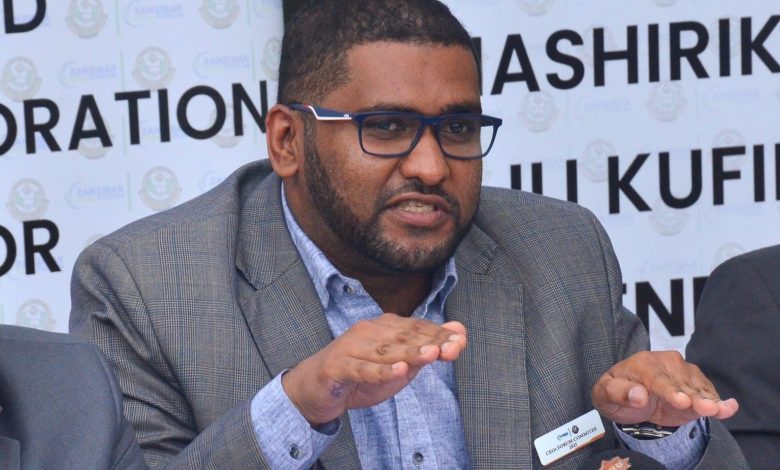
ZANZIBAR: IN Zanzibar, State-Owned Enterprises (SOEs) play a central role in delivering public services, managing strategic assets, and generating non-tax revenue for the government.
Yet, despite their importance, many of these entities continue to face persistent challenges, ranging from financial underperformance to weak governance structures.
At the heart of the reform agenda is the Office of the Treasury Registrar, established under the Office of Treasury Registrar and Public Asset Management Act No. 6 of 2021. The office was designed to centralise ownership and improve oversight of public entities.
In this exclusive interview, the Zanzibar Treasury Registrar, Mr Waheed Muhammad Ibrahim Sanya, sheds light on the current governance gaps, the challenges surrounding board appointments, and the reforms needed to transform SOEs into efficient engines of economic growth.
Q: Mr Sanya, why are State-Owned Enterprises so important to Zanzibar’s economy?
A: State-Owned Enterprises are fundamental to Zanzibar’s socio-economic development. They provide essential public services, manage key national assets, and contribute significantly to government revenue outside taxation.
More importantly, they are expected to drive employment and support the country’s long-term vision of becoming a competitive, upper-middleincome economy, as outlined in the Zanzibar Development Vision 2050.
Q: Despite their importance, many SOEs are underperforming. What is the core problem?
A: The underperformance of SOEs is largely rooted in governance challenges. Many entities struggle with financial inefficiencies, operational stagnation, and recurring audit issues. Instead of generating wealth, some have become dependent on government subsidies.
A key issue is ineffective boards of directors. Since boards are responsible for strategic oversight and protecting public interest, any weakness at that level directly affects performance.
Q: Let’s talk about boards. Why are they so critical in SOEs?
A: Boards of directors are the highest decision-making bodies in any public entity. They act as a bridge between the government, as the owner, and the management of the enterprise.
Their responsibilities include providing strategic direction, ensuring accountability, safeguarding financial integrity, and managing risks. If the board lacks competence or independence, it cannot effectively supervise management or make sound decisions.
Q: What are the main weaknesses in the current board appointment system?
A: The biggest challenge is the excessive discretionary power given to responsible ministers in appointing board members. The current legal framework does not enforce structured or transparent nomination procedures.
This often leads to appointments based on political loyalty, personal relationships, or other non-professional considerations, rather than merit, expertise, or experience. As a result, many boards lack the technical, financial, and legal competencies required to oversee complex institutions.
Q: The law requires vetting by the Treasury Registrar. Why is that not working effectively?
A: While the law mandates that proposed board members be vetted by the Treasury Registrar, it does not specify consequences for non-compliance.
This has made the provision weak in practice. Some appointments proceed without proper vetting, undermining the intention of ensuring qualified and competent board members. Without enforcement mechanisms, even well-designed provisions lose their effectiveness.
Q: How does this affect the performance of SOEs?
A: When boards lack the necessary skills, they become passive and ineffective. They are unable to question management decisions, identify risks, or ensure accountability.
In some cases, board members oversee multi-millionshilling operations without sufficient financial literacy or governance experience. This creates a “competency gap” that exposes public resources to mismanagement and inefficiency.
Q: Are there international standards that Zanzibar can learn from?
A: Yes, there are well established frameworks such as the World Bank’s Corporate Governance Toolkit and the OECD Guidelines on Corporate Governance of State Owned Enterprises.
These emphasise merit based appointments, transparency, independence and clear accountability structures. They also recommend the use of independent nomination committees to reduce political influence and ensure professional boards.
ALSO READ: Zanzibar’s Treasury Registrar is redefining public accountability
Q: What legal or institutional gaps still exist in Zanzibar’s system? A: Several gaps remain. First, there is no structured and transparent nomination process, such as open applications or interviews.
Second, accountability mechanisms for board members are weak. The law does not clearly define how to address breaches of duty or enforce responsibility.
Third, there are cases where some SOEs operate without boards altogether, especially when terms expire and replacements are delayed. This creates a governance vacuum and affects decision-making.
Q: What reforms would you recommend to address these challenges?
A: The starting point is to amend the Office of Treasury Registrar Act to remove absolute ministerial discretion in board appointments. We also need to establish independent vetting or nomination panels that can evaluate candidates based on merit.
This would ensure transparency and professionalism. Additionally, there must be clear accountability frameworks for board members, including procedures for addressing misconduct or poor performance.
Q: How would these reforms benefit Zanzibar’s economy?
A: Strengthening governance will directly improve the performance of SOEs. Competent and independent boards can make better strategic decisions, manage risks effectively, and ensure financial discipline.
This will reduce the fiscal burden on the government and transform SOEs into productive, revenue-generating institutions. Ultimately, it supports sustainable economic growth and better service delivery to citizens.
Q: What is your message to policymakers and stakeholders?
A: Reforming SOEs is not just a technical issue—it is a national priority. We must move away from systems that allow inefficiency and embrace governance models that promote accountability, transparency, and professionalism.



References:
Legiano Casino Gratis Spins http://pinktower.com/
References:
Hitnspin bonus ohne einzahlung https://online.ts2009.com/mediaWiki/api.php?action=https://board-bg.farmerama.com/proxy.php?link=https://de.trustpilot.com/review/der-wikinger-shop.de
References:
Monro Casino Mindesteinzahlung https://board-en.farmerama.com/proxy.php?link=https://qrlinkgenerator.com/rafaelabowen2
References:
Monro Casino Online https://toyota-verso.ru:443/ucp.php?mode=logout&redirect=https://flowlink.me/r3fup
References:
Hitnspin casino kundenbewertungen https://gamma.astroempires.com
References:
Hitnspin verifizierung g.i.ua
References:
Hitnspin casino kostenlos spielen http://wiki.angloscottishmigration.humanities.manchester.ac.uk/api.php?action=https://tdec.tn.gov/single_signon/Account/LogIn?returnurl=https://de.trustpilot.com/review/der-wikinger-shop.de
References:
Hit n spin casino erfahrungen https://cruises.ruscruiz.ru/ships/deck-plan.php?img=https://carwiki.site/wiki/HitnSpin_No_Deposit_Bonus_25_Euro
References:
Lollybet Casino No Deposit http://toolbarqueries.google.co.nz/
References:
Lollybet Casino Login drive-avto.md
References:
Lollybet Casino Verifizierung http://cse.google.gy
References:
Lollybet Casino Verifizierung http://toolbarqueries.google.bj/url?q=https://undrtone.com/quaillimit8
References:
Hitnspin aktionscode http://clients1.google.mv/
References:
Hitnspin gutscheincode http://clients1.google.ge/url?q=https://urlscan.io/result/019eb126-f6ae-7669-b820-c01d7a41a06c//
References:
Lollybet Casino Bonus clients1.google.mv
References:
Lollybet Live Casino https://www.newhydro.ru/action.redirect/url/aHR0cHM6Ly90aWN0YWNjb2xsZWN0aW9uLmxpZmUvaGVybWVsaW5kYTE3OTA=
References:
Lollybet Casino 10 Euro Bonus https://clients1.google.com.ua/url?q=https://xtiny.online/janna93f67803
References:
Lollybet Casino Roulette https://maps.google.com.eg/url?q=https://joiboy.ink/mikaylabraley
References:
Lollybet Casino Slots http://maps.google.co.id
References:
Lollybet Casino Einzahlung http://toolbarqueries.google.si/
References:
Lollybet Casino No Deposit Bonus http://maps.google.sm/
References:
Lollybet Casino Bonus Code http://www.google.ie
References:
Lollybet Casino Zahlungsmethoden google.gp
References:
Candy96 sign up bonus https://qalmsecurity.nl
References:
Gorilla Casino Bonus ohne Einzahlung https://code.a100-cn.com:8081/ramirolawson31?tab=stars&sort=alphabetically
References:
Mega Medusa Casino Login https://werkstraat.com/companies/einloggen-registrieren-de
References:
Royal Casino Login nexus.astroempires.com
References:
Circus Casino Test https://toyota-verso.ru:443/ucp.php?mode=logout&redirect=https://www.rufox.ru/go.php?url=http://terrano-club.ru/proxy.php?link=https://instantcasinodeutschland.de/
Тут веб-сайте вы сможете отыскать ценную информацию.
https://wolgograd.ru/column/958-shest-vodoyomov-voronezhskoy-oblasti-obyavleny-opasnymi-dlya-plavaniya/