

Powering Tanzania’s future through strategic energy investment and infrastructure growth
Tanzania’s ambition to become a middle-income, industrialized economy rests heavily on one critical pillar: reliable and sustainable energy.
From large-scale hydropower projects to growing investments in natural gas and renewable energy, the country continues to expand its electricity generation capacity to meet rising demand from industries, businesses and households.
As governments and private developers seek capital to build the infrastructure needed for economic transformation, financial institutions are increasingly emerging as strategic partners in Africa’s energy journey.
Among them, Standard Bank has positioned itself as an important player in supporting energy development across the continent, bringing financing expertise, investment advisory services and a long-term commitment to infrastructure growth.
For Tanzania, where energy demand continues to rise alongside rapid urbanization and industrial expansion, access to such financial partnerships has become more important than ever.
The country has made remarkable progress in recent years, particularly with the development of large power projects that have significantly increased electricity generation. These investments have strengthened energy security and created opportunities for manufacturing, mining, agriculture and other productive sectors that depend on reliable power supplies.
Energy experts argue that while public resources remain vital, private-sector participation and innovative financing models are necessary to unlock the billions of dollars required for new generation facilities, transmission lines and renewable energy projects.
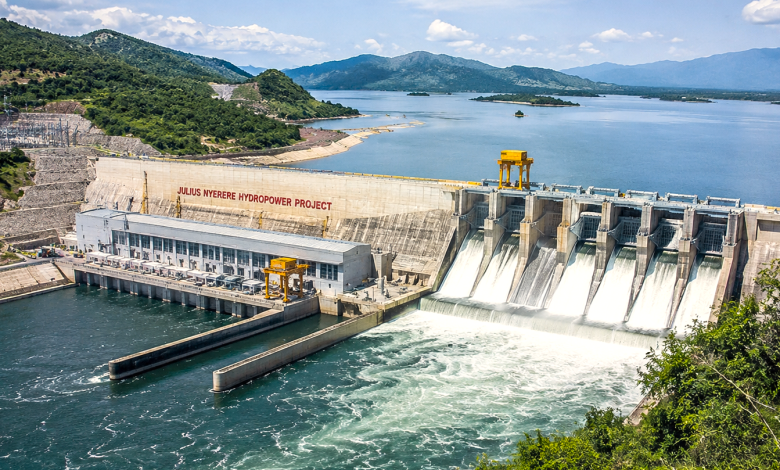
One of the most defining symbols of Tanzania’s energy transformation is the Julius Nyerere Hydropower Station, a landmark 2,115MW project on the Rufiji River. Beyond its engineering scale, the project also reflects the growing complexity of energy financing in Africa, where large-scale infrastructure increasingly depends on a mix of domestic funding, multilateral institutions, and commercial banking support.
While the majority of financing for the project has come from the Government of Tanzania and development finance institutions, commercial banks have also played a supporting role in enabling the project’s execution through guarantees and structured financial arrangements along the value chain.
In this wider ecosystem of energy financing, institutions such as Standard Bank have positioned themselves as important enablers of Africa’s infrastructure ambitions, participating in project structuring, risk facilitation, and cross-border investment advisory across the continent’s energy sector.
The significance of projects like the Julius Nyerere Hydropower Station extends beyond electricity generation. They represent long-term economic assets that require sophisticated financial ecosystems to develop, complete, and sustain.
In this context, Standard Bank’s broader footprint in financing energy and infrastructure projects across Africa aligns with Tanzania’s own push toward energy security, industrialisation, and regional economic integration.
As Tanzania expands its energy infrastructure, the collaboration between governments, contractors, and financial institutions continues to shape not only how power is generated—but how development itself is financed.
Speaking in a special interview with Daily Newspaper, the Executive Vice President for Power and Renewables at Standard Bank, Vincenzia Leitich, said that the Julius Nyerere Hydropower Project represents a landmark development in Tanzania’s energy journey and reflects the country’s strong commitment to long-term energy security and industrial growth.
She noted that, “Large-scale infrastructure projects of this nature require strong collaboration between governments, contractors, and financial institutions to ensure successful delivery and sustainable impact,”
ALSO READ: Tanzania enhances land surveying services with provision of 527 new land titles in Mwanza
Leitich further emphasized that, While Standard Bank operates across multiple energy markets in Africa, its focus remains on supporting transformative projects that enhance electricity access, strengthen national grids, and unlock economic potential.
She highlighted that hydropower projects such as the Julius Nyerere facility demonstrate how strategic investment and structured financing can accelerate development outcomes and position Tanzania as a key energy hub in the region.
Ms Leitich noted that, “The project is now 100% completed and fully constructed; however, it is currently operating at approximately 50% of its total capacity due to insufficient transmission infrastructure. This limitation in the national grid network has constrained the ability to evacuate and distribute all the generated power efficiently across the country,”
“As a result, despite the plant’s full generation potential, only half of its output is being effectively transmitted to end users while ongoing efforts continue to strengthen transmission lines and improve grid connectivity,” She emphasized
The growing participation of African banks in major infrastructure investments carries strategic importance beyond financing alone. Local and regional institutions often possess a deeper understanding of market realities, regulatory environments and development needs, enabling them to structure solutions that align with national priorities.
The country’s industrialization agenda depends on a stable and affordable energy supply. New factories, processing industries and emerging businesses require dependable electricity to increase productivity, create jobs and stimulate economic growth.
Financial institutions are increasingly prioritising environmental, social and governance considerations, encouraging investments in cleaner technologies and renewable energy sources. Tanzania, endowed with abundant solar, wind, hydro and natural gas resources, is well positioned to benefit from this transition.
Green financing mechanisms, blended finance arrangements and public-private partnerships are expected to become increasingly important in supporting the next generation of energy investments. Banks with continental experience and strong infrastructure portfolios are likely to play an essential role in facilitating this process.
Beyond large-scale projects, increased investment in the energy sector also creates opportunities for local communities and young people. New infrastructure developments generate employment during construction and operation phases, while expanded access to electricity supports entrepreneurship, innovation and skills
development.
ALSO READ: Tanzania touts for economic diplomacy at the African Caucus Meeting
Rural electrification, in particular, has the potential to transform livelihoods by enabling businesses, improving education and strengthening healthcare services. As Tanzania continues to chart its development path, collaboration between government institutions, private investors and financial partners will remain critical.
The future of energy in the country will not be determined solely by the availability of natural resources or engineering expertise, but also by the ability to mobilise capital and create sustainable investment frameworks.
In this context, institutions such as Standard Bank represent more than traditional lenders.
They are becoming strategic partners in Africa’s broader development story helping to finance the infrastructure that powers industries, connects communities and supports economic transformation.
For Tanzania, the journey toward energy security and industrial prosperity is still unfolding. But
one thing is increasingly clear: the partnerships forged today between the financial sector and
energy stakeholders will help determine how successfully the nation powers its future.



F8BET thương hiệu giải trí cùng worl cup 2026