Power supply subsidy planned for 2,292 areas
DODOMA: MORE than 2,292 areas across the country have been identified for subsidised electricity connections at 27,000/- per household, with implementation expected to begin by December this year.
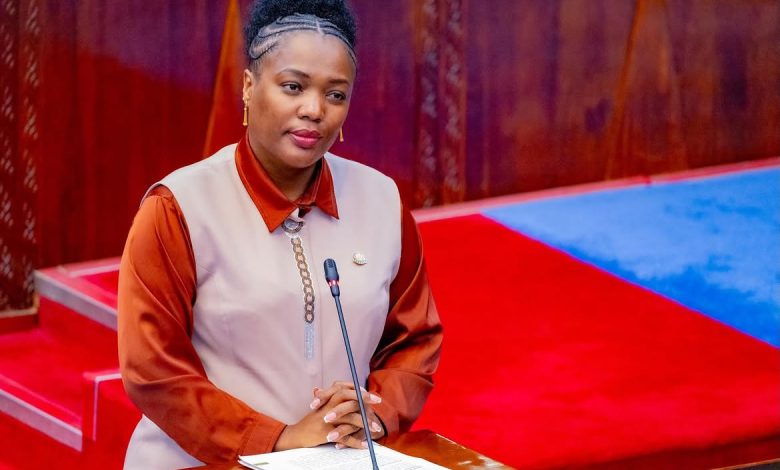
Deputy Minister for Energy Salome Makamba said funds were being mobilised for the project, which targets urban areas that retain village-like characteristics.
She said this while responding to a basic question from Karagwe MP (CCM), Innocent Bashungwa, who wanted to know how residents of Kayanga and Omurushaka would access electricity at an affordable cost.
Ms Makamba said that, under Government Notice No. 120 of 2020, regulated by the Energy and Water Utilities Regulatory Authority (EWURA), electricity connection charges vary according to the classification of an area.
“Rural customers living within 120 metres of an electricity line pay 27,000/- , while urban customers within 30 metres of a line are charged 320,960/-,” she said.
However, she said the government had considered MPs’ requests to extend the subsidised rate to urban areas whose residents still live in conditions similar to those in rural communities.
In Kagera Region, the identified areas include Kabingo, Kayanga, Majengo Mapya, Kilimahewa, Kamungo and Kitoma.
In a supplementary question, Mr Bashungwa asked for Katinkimo, Chamezi, Nyakariri and Omkagera to be considered, saying they also retained village-like characteristics despite falling under district councils.
In response, Ms Makamba said she was ready to visit the areas with the MP to assess whether they qualified for the subsidised connection arrangement.
In a supplementary question, Bunda Urban MP (CCM), Esther Bulaya, asked when residents of Kunzugu, Sazira, Bunda Store, Mchalo and Manyamanyama would benefit from the scheme.
ALSO READ: Makamba launches construction of 220kv power line from Mbeya to Songwe
Responding, Ms Makamba reiterated that implementation was expected to begin in December 2026.
“The Ministry of Energy and the Ministry of Finance are exploring ways to reduce tax-related costs, including Value Added Tax (VAT), to make electricity connections more affordable and extend the benefits to more people,” she said.
The project is estimated to cost more than 530bn/- and aims to expand access to affordable electricity in areas classified as urban but which retain village-like characteristics.