Over 2,000 livestock vaccinated in Monduli
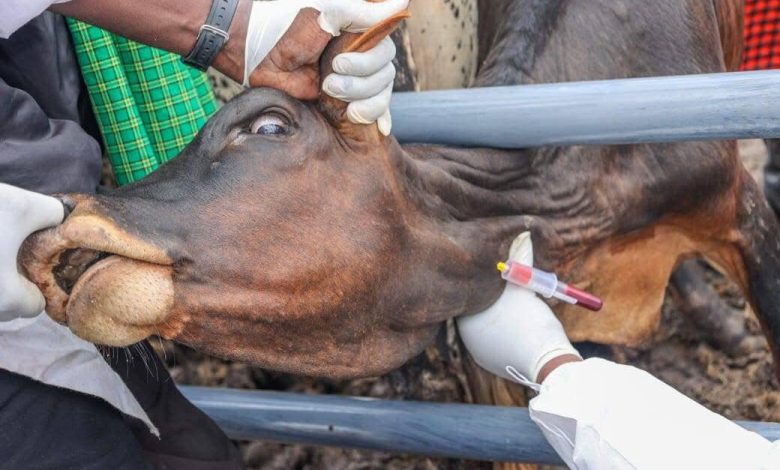
MONDULI: MORE than 2,000 cattle and goats in Lemoot Ward, Monduli District, have been vaccinated and fitted with identification ear tags.
This followed a directive by Minister for Livestock and Fisheries, Dr Bashiru Ally to deploy livestock experts to the area.
The exercise is part of the government’s ongoing efforts to control livestock diseases, particularly Contagious Bovine Pleuropneumonia (CBPP), commonly known as lung disease, while strengthening the livestock identification system to improve animal health monitoring, ownership verification and livestock trade.
Speaking in Lemoot Village during a thanksgiving tour by Monduli Member of Parliament Isack Joseph Kapriano, Northern Zone Livestock Officer Dr Robert Buruba said the government will continue providing vaccination services and educating livestock keepers on the importance of disease prevention and proper animal identification.
He said the identification system plays a key role in monitoring animal health, controlling disease outbreaks, verifying ownership and improving access to domestic and international livestock markets.
“We have witnessed a strong response from livestock keepers. They now understand that vaccination is an essential preventive measure that reduces livestock deaths, improves productivity and protects them from losses caused by disease outbreaks,” Dr Buruba said.
He added that healthy livestock contribute to improved household incomes through increased meat and milk production, better breeding practices and enhanced economic opportunities for pastoral communities.
ALSO READ: Tanzania commends model livestock investment in Arusha
Lemoot Village Chairperson, Isaya Lembekure commended the government for continuing to invest in the livestock sector through vaccination programmes and livestock identification initiatives.
He said the implementation of the minister’s directive demonstrates the government’s commitment to addressing challenges facing pastoralists and improving animal health.
Mr Lembekure also thanked Ambassador Dr Bashiru Ally for visiting the area last month and issuing directives that resulted in the vaccination and identification exercise.
Livestock vaccination remains one of the most effective measures for preventing disease outbreaks before they occur. It helps reduce animal deaths, increase meat and milk production, lower treatment costs, protect livestock keepers’ incomes and facilitate trade within and outside the country.
The identification of vaccinated livestock also makes it easier for authorities to trace and manage animals during disease outbreaks, strengthening disease control measures and protecting the livelihoods of pastoral communities.