Organic farming project reaches over 1,500 farmers in six Tanzanian regions
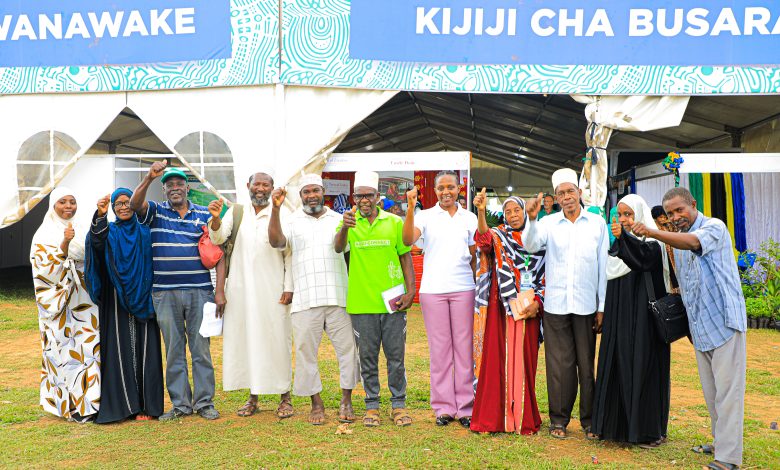
ZANZIBAR: THE Regional organic farming initiative has reached out to more than 1,500 smallholder farmers across the country as it equips them with practical skills to improve agricultural production and promote environmentally friendly farming practices.
The three-year project dubbed ‘Knowledge Hub for Organic Agriculture and Agroecology in East Africa (KHEA)’ started in 2022 and concluded last Wednesday providing training in organic production, soil fertility management, pest and disease control, strengthening farmer-centred knowledge exchange and agroecological transformation.
Tanzania Organic Agriculture Movement (TOAM)’s Project Manager Ms Brigita Didas said the completion of the initiative provided an opportunity for beneficiaries to continue applying the knowledge and skills acquired during its implementation.
She said the project aimed to collect, document and share organic farming knowledge across East Africa, making it accessible online to agricultural stakeholders within and beyond the region.
“This initiative promotes practical and affordable approaches to organic farming, including encouraging farmers to use locally available materials to prepare essential agricultural inputs such as organic fertilisers and pesticides,” she said at the closure.
The project currently works across some of the East African blocs besides Tanzania including Kenya, Uganda and Rwanda and also Madagascar with the overall aim of improving access to knowledge on organic agriculture and agroecology, strengthening the capacity of knowledge multipliers and connecting actors across organic agriculture value chains.
In this country, this initiative is implemented by TOAM in collaboration with other partners including Floresta, Mtwara Society Against Poverty (MSOAPO) and NSHDA operating in six regions of Kilimanjaro, Dodoma, Songwe, Njombe, Mtwara and Zanzibar.
ALSO READ: ‘Kijani Space’ project launched to boost climate-smart farming, fishing in Lake Victoria
According to her, this project, which is the third Phase, enables farmers to reduce production costs by relying on resources found within their communities rather than depending entirely on purchased inputs.
Beneficiaries said the initiative has opened up opportunities for promoting organic agriculture and sharing practical farming knowledge.
Ms Salama Hussein Makame, One of the beneficiaries from Zanzibar said she applied the skills acquired through the initiative to train other farmers on preparing organic pesticides using locally available materials, including medicinal plants.
She said using plants found in their surroundings made organic farming more accessible by reducing the cost of purchasing pesticides.
The project was implemented in successive one-year phases, with the first phase beginning in 2022, a fourth phase is expected to be introduced, providing an opportunity to expand knowledge-sharing and strengthen the adoption of organic farming practices across the region.